

Fashion Design(Fashion Des.)_服装设计
Time:2026-03-15 Visits:1
Fashion Design Major
The Fashion Design Major integrates creativity, technology, and business to shape the future of fashion. This guide explores its core design and construction courses, diverse career paths from design to management, key trends like sustainability and digital fashion, and leading global design schools.
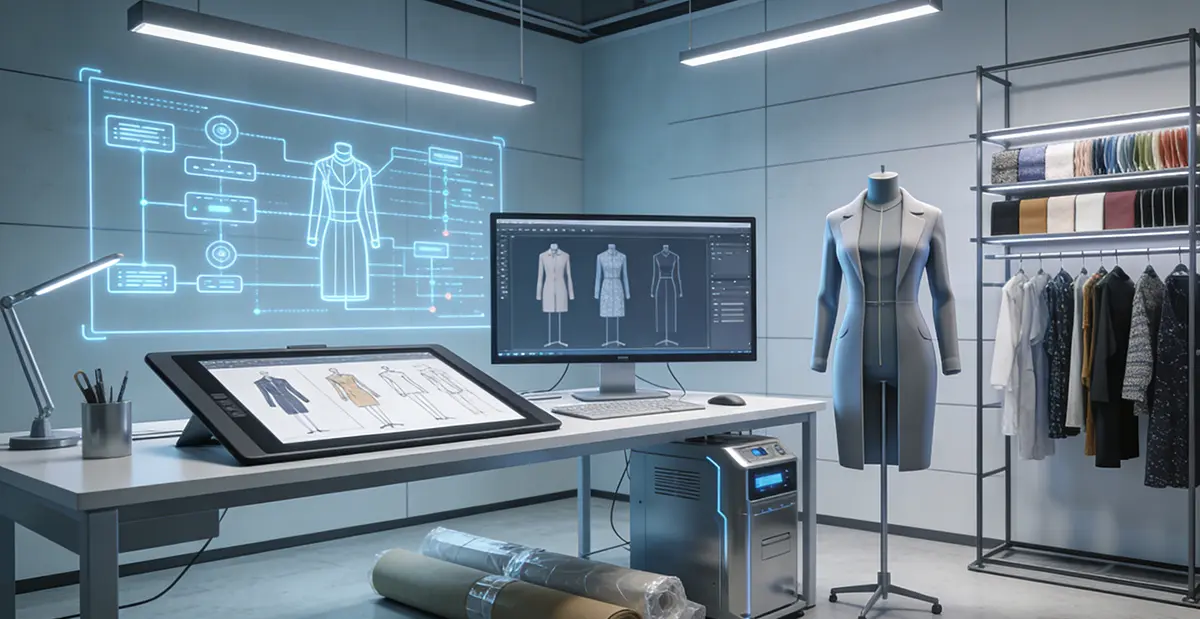
1. Program Introduction
The Fashion Design Major is a comprehensive applied discipline that integrates artistic creativity, engineering technology, market insight, and cultural research. It focuses on the systematic study of garment design, structure, materials, craftsmanship, and presentation from concept to finished product, aiming to create apparel that embodies aesthetic value, functionality, commercial potential, and cultural expression. The Fashion Design Major not only cultivates designers' personal aesthetic and creative abilities but also emphasizes a deep understanding of human anatomy, textile science, production processes, the fashion industry, and sustainable ethics, serving as a core engine driving the development of the fashion industry.
2. Core Curriculum of the Fashion Design Major
| Module Categories | Core Courses |
| Design Fundamentals and Presentation | Design Sketching, Fashion Illustration Techniques, Color Theory, Principles of Garment Construction, Design Thinking and Creative Development |
| Core Professional Skills | Fashion Design Methodology, Garment Construction (Flat Pattern/Draping), Garment Craftsmanship and Production, Fabric Science and Material Design, Collection Design |
| History, Theory, and Culture | Chinese and International Fashion History, History of Fashion, Fashion Theory and Criticism, Fashion Culture Studies, Ethnic Costume and Intangible Cultural Heritage |
| Technology and Engineering | Apparel CAD (e.g., CLO 3D, Gerber), Industrial Patternmaking, Grading and Marker Making, Apparel Production Management, Apparel Ergonomics and Functional Design |
| Market and Business | Fashion Brand Management, Fashion Marketing and Buying, Fashion Retail Management, Product Planning and Development, Fashion Communication and New Media |
| Frontiers and Special Topics | Haute Couture Techniques, Knitwear Design, Functional Apparel Design, Sustainable Fashion Design, Digital Fashion Design (Virtual Garments/NFTs) |
| Projects and Practice | Design Workshops, Fashion Show Planning and Execution, Corporate Internships, Graduation Collection |
3. Advanced Study Pathways for the Fashion Design Major
Master's (Design Specialization): Fashion Design: Deepens personal design language and collection development skills, specializing in areas like womenswear, menswear, or knitwear. Textile Design: Focuses on fabric innovation, printing, and weaving techniques. Fashion Curation and Criticism: Shifts toward fashion exhibition planning, fashion criticism, and cultural studies.
Master's (Engineering and Management): Fashion Management / Luxury Management: Focuses on brand strategy, retail, marketing, and supply chain management. Fashion Technology: Researches applications of smart fabrics, wearable technology, and 3D printing in fashion.
Master's (Sustainability Focus): Sustainable Fashion: Focuses on environmental issues like circular design, ethical production, and material innovation.
Interdisciplinary Advanced Studies: Costume Design: Designing apparel for film, theater, and performance. Art Therapy: Utilizes textiles and clothing in psychological healing practices.
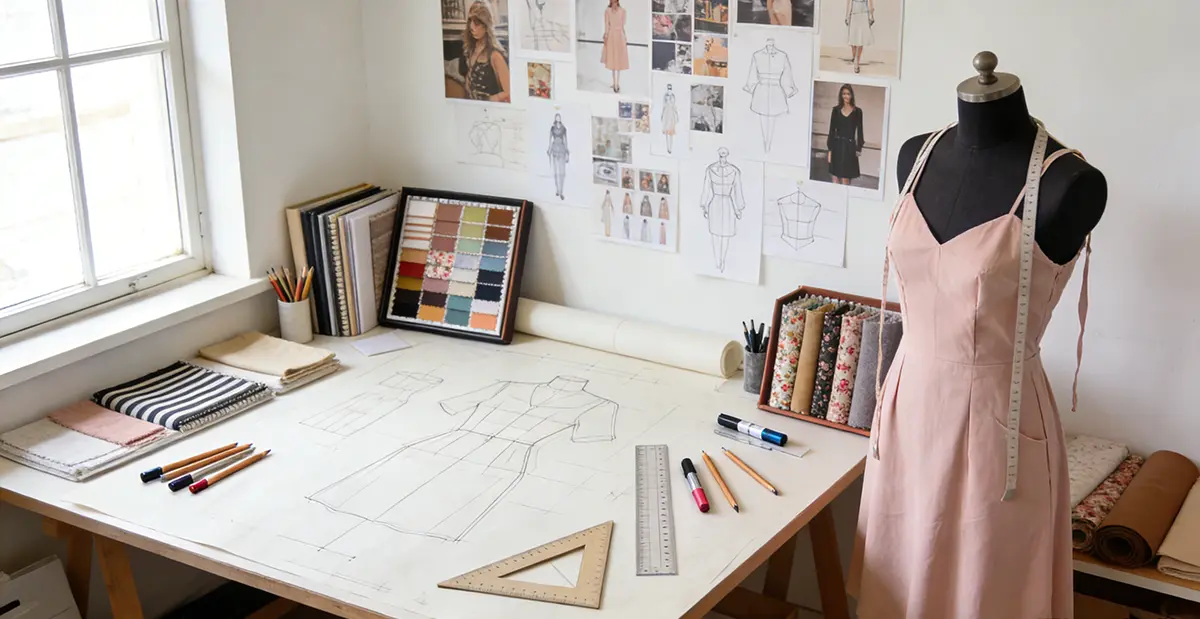
4. Career Paths and Positions for Fashion Design Majors
Employment spans the entire industry chain, encompassing creative design, product development, technical production, brand management, and media.
Core Creative Design: Fashion Designer, Lead Designer, Design Assistant (at brand companies, design studios, or independent labels). Knitwear/Print/Fabric Designer.
Product and Technical Development: Patternmaker, Garment Technologist, Sample Maker, Technical Consultant. Apparel Product Manager, Merchandiser (responsible for product line planning and development).
Brand Management and Marketing: Fashion Buyer, Visual Merchandiser, Retail Manager, Brand Operations Specialist, Fashion Public Relations.
Media and New Media: Fashion Editor, Fashion Stylist, Fashion Blogger/KOL, Fashion Photographer (requires additional skills).
Education and Research: University Faculty, Fashion Researcher, Museum/Archive Costume Researcher.
Entrepreneurship: Independent Designer Brand Owner, Boutique Owner, Fashion Consultant.
5. Employment Rates and Industry Trends for the Fashion Design Major
Employment Rate Characteristics: “Fierce competition for creative roles, stable demand for technical and management positions”: Designer roles have high entry barriers and intense competition, while technical and management positions like patternmakers, technicians, and merchandisers show stable demand with significant talent shortages. “Portfolio and internship experience are paramount”: Hiring for design roles is almost entirely dependent on the quality of the personal portfolio and relevant brand internship experience. “Significant salary polarization”: Designers at renowned brands and owners of independent labels can command substantial incomes, while entry-level positions (especially in production) generally offer modest starting salaries. “High industry concentration”: Major opportunities are concentrated in cities with mature fashion industries and supply chains, such as Shanghai, Shenzhen, Hangzhou, and Guangzhou.
Industry Trends: “Sustainability becomes a core issue”: The industry is shifting from fast fashion to circular fashion, driving innovation in eco-friendly materials, zero-waste cutting, resale platforms, and clothing rental models in both design and business. “Explosion of digital and virtual fashion”: 3D virtual design (CLO 3D), digital fashion, virtual idol styling, and NFT digital collectibles are emerging growth areas, reducing physical sampling costs and opening new markets. “Deepening of local culture and ‘Guochao’ trends”: There is strong demand for modern, fashionable interpretations of traditional Chinese elements and intangible cultural heritage, forming a unique design language. “Supply chain transparency and ethical production”: Increased consumer focus on environmental and labor rights issues in production is pushing brands to reform their supply chains. “Personalized customization and flexible production”: Growing demand for small-batch, personalized products is driving advancements in 3D body scanning, AI recommendations, and flexible supply chain technologies. “Convergence of fashion and technology”: Cross-disciplinary products like smart wearables, thermo-/photochromic fabrics, and wearable devices continue to emerge.
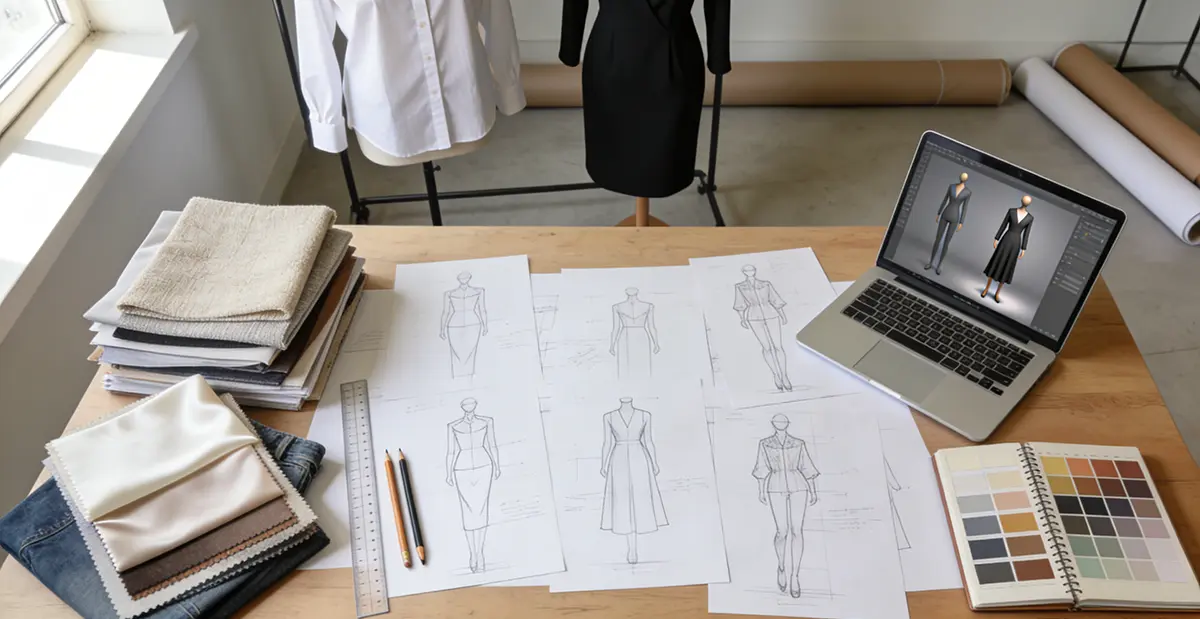
6. Leading Global Institutions Offering the Fashion Design Major
The world's top fashion design schools are concentrated in global fashion capitals and traditional art powerhouses.
| Country/Region | Representative Institutions (Top Fashion Design Schools) |
| United Kingdom | Central Saint Martins (CSM, premier incubator), London College of Fashion (LCF, comprehensive industry focus), Royal College of Art (RCA, postgraduate only), University of Westminster |
| United States | Parsons School of Design, Fashion Institute of Technology (FIT, strong technical focus), Savannah College of Art and Design (SCAD), Rhode Island School of Design (RISD) |
| France | ESMOD Paris, École Nationale Supérieure des Arts Décoratifs (ENSAD), Institut Français de la Mode (IFM) |
| Italy | Istituto Marangoni, Polimoda, Politecnico di Milano (School of Design) |
| Belgium | Royal Academy of Fine Arts Antwerp (pioneering in experimental and artistic fashion) |
| Japan | Bunka Fashion College, Tama Art University, Mode Gakuen (Tokyo) |
| China | Beijing Institute of Fashion Technology, Donghua University, Academy of Arts & Design, Tsinghua University, China Academy of Art (School of Design Arts), Zhejiang Sci-Tech University (School of Fashion) |
| Other | Seoul National University (College of Fine Arts), Royal Melbourne Institute of Technology (RMIT) |
DisciplineMajor Recommendations
Ideal Candidates for the Fashion Design Major:
Individuals with an almost obsessive passion for fashion, aesthetics, the human form, and culture, coupled with a strong personal style and desire for self-expression. Those with excellent hands-on skills, spatial imagination, and patience, who find fulfillment in the lengthy process from sketch to finished garment. Keen observers who maintain curiosity about social issues, trends, and new materials and technologies. Candidates with strong resilience and business acumen, capable of adapting to a fast-paced, high-pressure, and highly competitive industry environment.
Core Competencies for the Fashion Design Major:
A mature personal design language and comprehensive collection development capability. Solid knowledge of garment construction, craftsmanship, and fabrics, combined with excellent patternmaking and production skills. Keen insight into market trends and understanding of brand positioning. Strong visual presentation (fashion illustration, portfolio, lookbook) and verbal communication skills.
Learning Recommendations for the Fashion Design Major:
“Get hands-on, starting with the first stitch”: Engage with sewing and draping early to understand how garments are “constructed”—this is the foundation of design. “Build a personal visual archive and material library”: Systematically collect fabric swatches, inspiration images, and runway show materials, and analyze them regularly. “Master at least one core craft”: Deeply study draping, knitting, printing, or digital modeling to develop a personal technical specialty. “Gain in-depth industry chain internships”: Pursue internships in different sectors such as design, patternmaking, buying, and PR to understand the industry comprehensively. “Embrace digital tools”: Learn virtual design software like CLO 3D, which is becoming an industry standard. “Reflect on the ethics and future of design”: Pay attention to sustainability issues and consider how to become a responsible designer.
Note: Some institutions may categorize this major under different disciplines. Please refer to the specific classification used by the institution.
- The Previous Passage:Animation(Anim.)_动画学
- The Next Passage:Industrial Design(ID (业界标准缩写))_工业设计
Human Geography Major_Geography(Geog.)_人文地理
The Human Geography Major explores the complex relationships between human activities and space, cul···

Atmospheric Sciences(Atmos. Sci.)_大气科学
Atmospheric science is the study of phenomena and evolutionary patterns within Earth's atmospher···
Earth Sciences(Earth Sci.)_地球科学
The Earth Science major focuses on studying the Earth system and its interactions, providing a scien···
Ocean Sciences(Ocean Sci.)_海洋科学
PbootCMS是全新内核且永久开源免费的PHP企业网站开发建设管理系统,是一套高效、简洁、 强悍的可免费商用的···

