

Ocean Sciences(Ocean Sci.)_海洋科学
Time:2026-03-08 Visits:15
Ocean science is the discipline that studies Earth's blue planet. Against the
backdrop of a maritime power strategy, it is entering a golden era of
development. It is not only about exploring the unknown but also a key
discipline providing scientific and technological support for national maritime
governance.
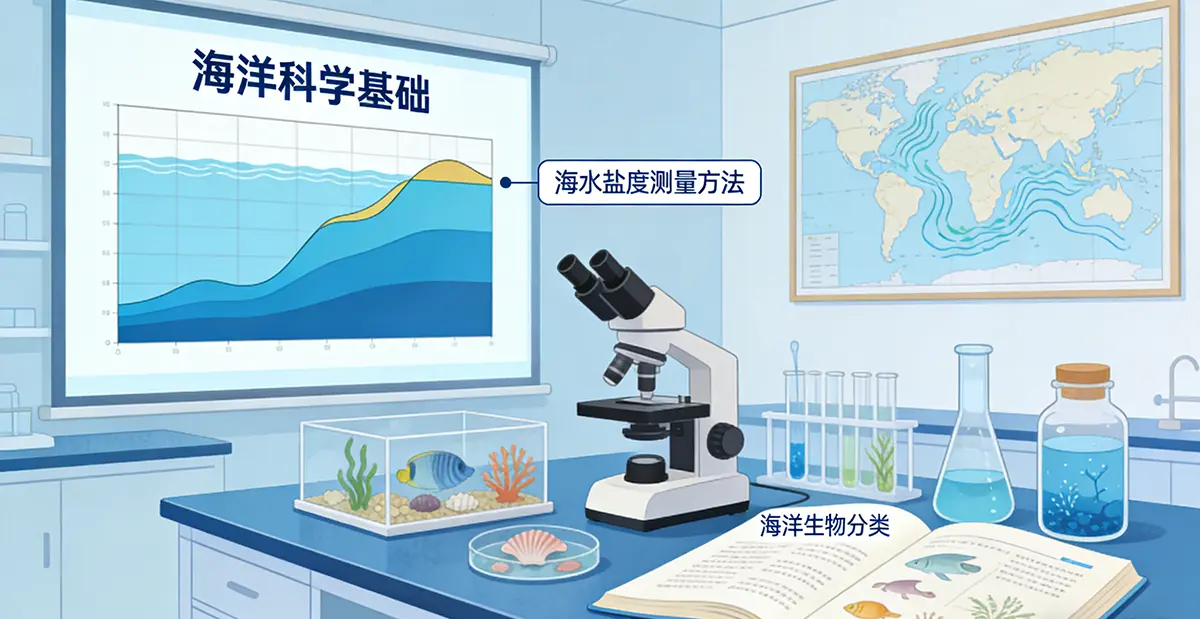
Introduction to Ocean Science
Ocean Science is the study of natural phenomena, properties, and patterns of change in the oceans, along with knowledge systems related to marine development and utilization. Its scope is vast, encompassing seawater, dissolved and suspended substances, marine life, seafloor sediments and lithosphere, as well as the atmospheric boundary layer above the sea surface and estuarine-coastal zones. It is a highly interdisciplinary foundational science developed within the contexts of physics, chemistry, biology, and geography.
If we liken the Earth to a human being, ocean scientists are the physicians conducting its “physical examination”:
- Physical Oceanography: Studies ocean currents and tides, akin to measuring the Earth's “heartbeat” and “blood pressure”
- Ocean Chemistry: Analyzes seawater composition, like testing the Earth's “blood indicators”
- Marine Geology: Explores seafloor resources, equivalent to performing a “gastrointestinal endoscopy” on the Earth
- Marine Biology: Studies marine food chains, observing the Earth's “skin condition”
Currently, ocean science is undergoing a strategic transformation from traditional disciplines to a “Grand Ocean” disciplinary system, emphasizing the integration of ocean science, technology, and engineering.
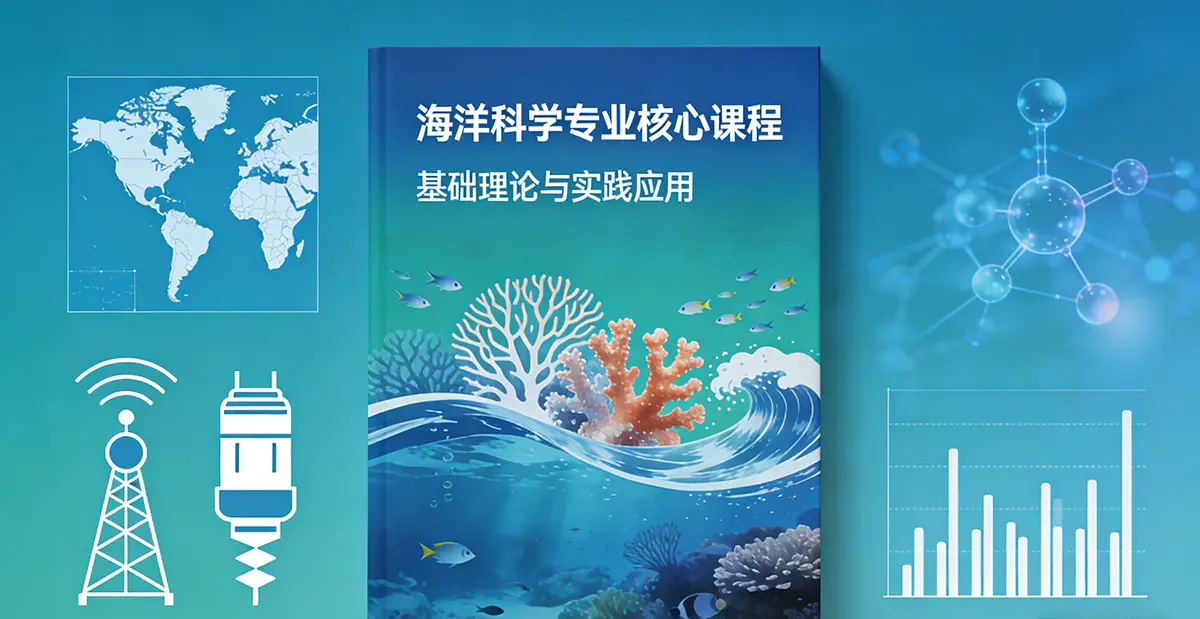
Core Courses in Ocean Science
The marine science curriculum comprises a broad foundation in mathematics and physics, core theories across four major disciplines, and extensive practical training.
Mathematics & Foundational Courses: Advanced Mathematics, Linear Algebra, Probability & Statistics, University Physics, Inorganic/Organic Chemistry, Analytical Chemistry, General Biology, etc.
Core Disciplinary Courses:
- Physical Oceanography: Studies various forms of seawater motion (currents, waves, tides) and their dynamic-thermal processes
- Marine Chemistry: Covers chemical oceanography, marine environmental chemistry, etc.
- Marine Biology/Ecology: Investigates marine biological phenomena, processes, and their environmental interactions
- Marine Geology: Explores coastal environment evolution, stratigraphy, sedimentology, etc.
Specialized and Technical Courses:
- Marine Survey and Monitoring Techniques
- Methods for Analyzing Oceanic Parameters
- Introduction to Remote Sensing / Satellite Remote Sensing Technology
- Principles of Underwater Acoustics
- Artificial Intelligence in Oceanography
- Marine Meteorology
Advanced Study Pathways for Ocean Science Major
Pursuing advanced studies after undergraduate graduation is the mainstream choice (with over 50% of graduates continuing to graduate school). Research directions can be categorized into four traditional fields and emerging interdisciplinary areas:
Physical Oceanography: Ocean circulation and climate change, ocean-atmosphere interactions, waves and small-scale processes, numerical modeling and forecasting.
Marine Chemistry: Marine biogeochemistry, marine environmental chemistry, trace metal oceanography, behavior and fate of organic pollutants.
Marine Biology: Marine microbiology, algal biology, marine ecology, biological oceanography, conservation and utilization of marine biological resources.
Marine Geology: Marine sedimentology, paleoceanography, seafloor resources and mineralization, continental margin dynamics, coastal environment evolution.
Emerging Interdisciplinary Directions:
- Marine Technology: Ocean exploration technology, remote sensing and GIS applications
- Marine Engineering: Offshore oil, gas, and mineral resource development, coastal protection engineering
- Marine Big Data and AI: Artificial intelligence oceanography, marine digital twins
- Marine Management/Policy: Marine affairs management, maritime law and governance, global ocean governance
Career Paths and Positions for Ocean Science Major
Graduates in Marine Science enjoy broad career prospects. Undergraduate employment rates have exceeded 92% for five consecutive years, with average starting salaries surpassing ¥6,000 (2022 data). Some central state-owned enterprises in marine sectors offer campus recruitment salaries reaching ¥150,000–200,000 annually. A significant talent gap exists—national annual production of marine science undergraduates falls below 2,000, while industry demand exceeds 5,000 per year.
Research and Educational Institutions (Primary Pathway for Advanced Studies)
- Positions: Researcher, Assistant Professor, Laboratory Technician, Doctoral Candidate
- Description: Pursue advanced studies or employment at marine research institutes under the Chinese Academy of Sciences (e.g., Institute of Oceanology, South China Sea Institute of Oceanology), marine research institutes under the Ministry of Natural Resources, or marine colleges at universities.
Government/Public Institutions (Stable Career Path)
- Positions: Marine Environmental Monitor, Maritime Administrator, Marine Forecaster, Civil Servant in Natural Resources System
- Description: Engage in operational and managerial roles within national and local marine administrative bodies (e.g., Department of Natural Resources, Oceanic and Marine Science Institutes, Ecological Environment Monitoring Centers)
Marine High-Tech Enterprises (Emerging Growth Sector)
- Positions: Offshore Oil & Gas Development Engineer (CNOOC, etc. hires 300+ annually), Marine Renewable Energy Developer (offshore wind power), R&D Technician at Environmental Monitoring/Biotech Companies
- Description: High demand in CNPC/CNOOC offshore oil & gas development and marine renewable energy enterprises (projected 2025 market size: ¥500 billion)
Environmental Protection/Consulting Industry
- Positions: Environmental Impact Assessment Engineer, Marine Ecological Restoration Technician, Environmental Monitoring Analyst
- Description: Technical roles in environmental monitoring firms and eco-conservation enterprises
Marine Information/High-Tech
- Positions: Marine Data Analyst, Marine Remote Sensing Application Engineer, AI Algorithm Engineer (Marine Specialization)
- Description: Roles serving marine information companies, meteorological technology firms, and smart ocean development projects
Ideal Candidates for Ocean Science Major
If you possess the following traits, this field may be an excellent fit:
1. Genuine curiosity about the ocean: Passion for the sea, willingness to explore the unknown, and a sense of responsibility toward humanity's living environment.
2. Subject strengths alignment: Excellence in at least one of physics, chemistry, or biology; solid math foundation required (for processing large volumes of observational data).
3. Resilience and endurance: Marine research may involve fieldwork at sea, requiring 1-3 months of offshore operations annually, demanding physical fitness and perseverance.
4. Meticulousness and patience: Laboratory analysis and data processing necessitate a rigorous and detail-oriented approach.
5. Patriotic commitment: Willingness to participate in national initiatives (e.g., deep-sea exploration) and a desire to work in environmental conservation.
6. Strong English proficiency: Current marine science research is predominantly conducted through international collaborations, necessitating excellent English communication skills.
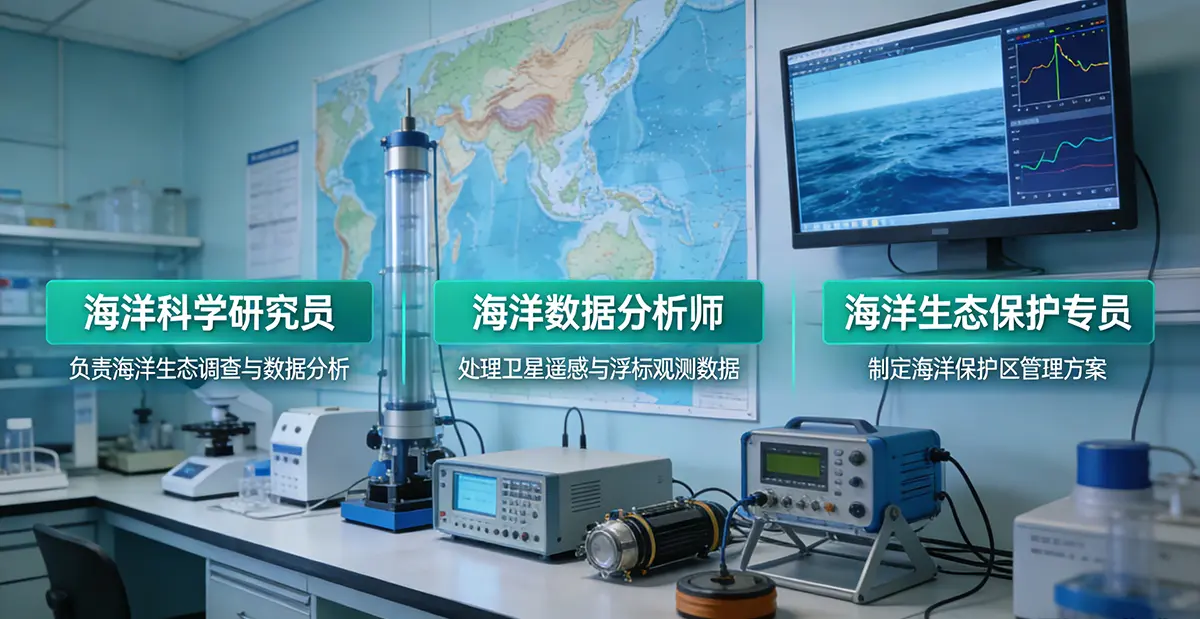
Core Competencies of Marine Science
The core competitiveness of marine science lies in its systematic thinking and cross-disciplinary integration capabilities:
Multidisciplinary systems thinking: Ability to comprehensively understand the complex marine super-system from physical, chemical, biological, and geological perspectives, possessing a holistic “big-picture view” of the ocean.
Sharp Observation and Profound Critical Thinking: Through field research and experimental analysis, students develop keen problem-identification skills and use rigorous logical reasoning to uncover underlying mechanisms.
“Sky and Sea” Data Acquisition & Analysis: Proficiency in satellite remote sensing, deep-sea instrumentation, and numerical modeling for data collection, coupled with robust data analysis (Python, GIS) and modeling capabilities.
Cross-disciplinary integration capabilities: Effectively fuse marine sciences with modern technologies (e.g., AI, big data, engineering) to drive innovation and solve real-world challenges.
Strategic vision and national commitment: Understand national ocean strategies while embodying the perspective and responsibility required for global ocean governance.
Leading Institutions Worldwide
Marine science boasts robust research capabilities at many top universities globally. According to the 2025 Shanghai Ranking's World Class Disciplines, the following institutions lead in this field:(Partial University Display - Ranking in No Order)
- United States
- Global Top Representatives: University of California, San Diego (1st), University of Washington (3rd), Massachusetts Institute of Technology (6th), Columbia University (11th)
- Other Strong Institutions: Oregon State University (5th), University of Hawaii at Manoa (7th), University of Miami (13th), California Institute of Technology (24th), Stanford University (38th), Princeton University (44th)
- Mainland China
- Top representatives: Ocean University of China (2nd), Shanghai Jiao Tong University (4th), Xiamen University (9th), Zhejiang University (18th), Hohai University (22nd)
- Other strong institutions: Sun Yat-sen University (23rd), East China Normal University (25th), Harbin Engineering University (26th), Dalian University of Technology (30th), Tianjin University (31st), Tsinghua University (49th), Tongji University (51-75th), Nanjing University of Information Science and Technology (76-100th), Southern University of Science and Technology (76-100th)
- France/UK/Europe
- France: Sorbonne University (8th), University of Western Brittany (14th)
- UK: University of Southampton (10th), University of East Anglia (51-75), University of Liverpool (76-100), University of Cambridge (76-100), University of Oxford (101-150)
- Other Europe: Utrecht University (17th, Netherlands), University of Bergen (19th, Norway), Delft University of Technology (27th, Netherlands), University of Bremen (28th, Germany)
- Other Regions
- Australia: University of New South Wales (15th), University of Tasmania (20th), University of Western Australia (29th)
- Japan: University of Tokyo (12th), Hokkaido University (51-75)
- Canada: University of Victoria (35th), Dalhousie University (37th), University of British Columbia (51-75)
- Russia: No institutions in the top 50, but traditional maritime powerhouses like Moscow State University retain strong capabilities
Recommended Learning Path for Ocean Science Major
1. Build a Solid Foundation: Core subjects are mathematics, physics, chemistry, and computer science fundamentals. Master advanced mathematics, university physics, and relevant chemistry courses—they form the bedrock for subsequent studies. Simultaneously, master Python and GIS proficiently from freshman year and apply them to data processing and visualization—this is crucial for future studies and research.
2. Build a Professional Framework: Deeply study the four core disciplines—physical oceanography, marine chemistry, marine biology, and marine geology—to establish a holistic understanding of the ocean system. Concurrently, engage in practical courses like marine survey internships and field research expeditions to operate instruments hands-on, collect samples, and bridge theory with practice.
3. Focus and Deepening: Based on personal interests (e.g., preference for theoretical research or applied practice, traditional oceanography or AI+ocean), select advanced courses such as Satellite Remote Sensing, Ocean Numerical Modeling, and Artificial Intelligence Oceanography. Aim to join a faculty research group, participate in specific projects (e.g., the “Undergraduate Innovation and Entrepreneurship Training Program”), and pursue paper publications or competitions (e.g., National Ocean Knowledge Competition, Mathematical Modeling Competition).
4. Future Planning:
Research Path: Monitor summer camps hosted by the Institute of Oceanology, Chinese Academy of Sciences; regional offices of the Ministry of Natural Resources; and universities. Build a strong academic foundation to pursue direct admission to graduate programs or postgraduate entrance exams.
Operational Track: Secure internships during breaks at marine environmental monitoring centers, natural resources bureaus, or marine-related enterprises in your hometown or target city to understand practical workflows.
Embrace Emerging Fields: Self-study machine learning and deep learning courses. Experiment with AI models to solve marine science problems (e.g., ocean dynamic process forecasting, marine species identification). This enhances competitiveness for high-tech marine companies.
Expand Global Perspective: Actively pursue overseas exchange programs and international joint research expeditions to improve English proficiency and broaden international horizons.
- The Previous Passage:没有了!
- The Next Passage:Earth and Ocean Sciences(Earth & Ocean Sci.)_地球与海洋科学
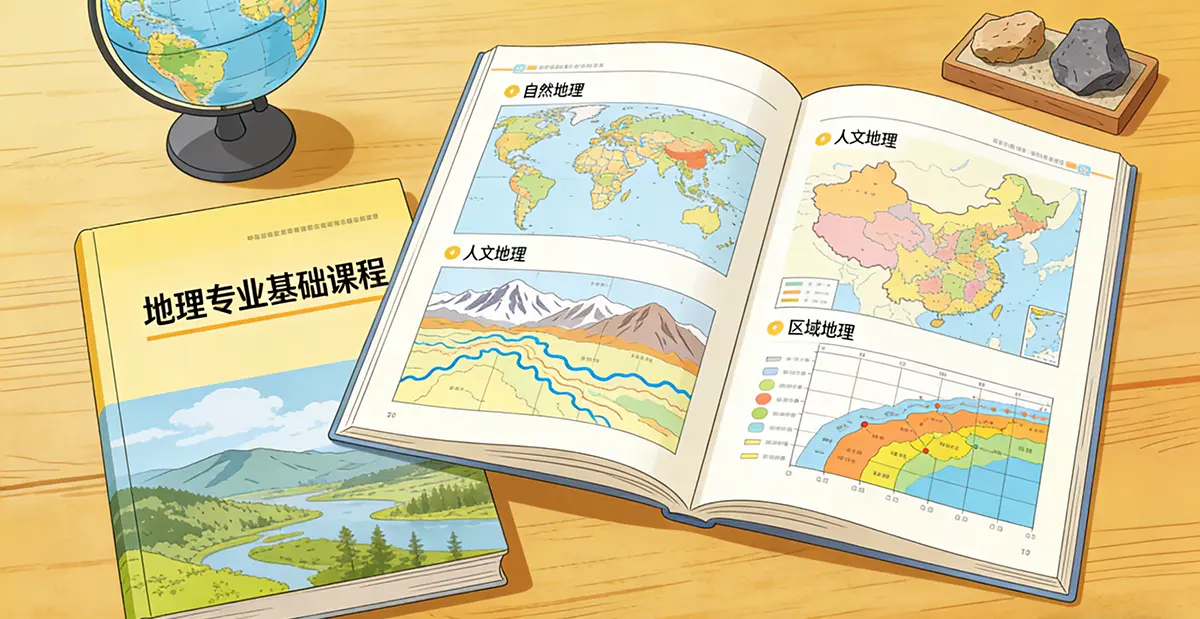
Human Geography Major_Geography(Geog.)_人文地理
The Human Geography Major explores the complex relationships between human activities and space, cul···

Atmospheric Sciences(Atmos. Sci.)_大气科学
Atmospheric science is the study of phenomena and evolutionary patterns within Earth's atmospher···
Earth Sciences(Earth Sci.)_地球科学
The Earth Science major focuses on studying the Earth system and its interactions, providing a scien···
-
Ocean Sciences(Ocean Sci.)_海洋科学
PbootCMS是全新内核且永久开源免费的PHP企业网站开发建设管理系统,是一套高效、简洁、 强悍的可免费商用的···

