

Mining Engineering(Min. Eng.)_矿业工程
Time:2026-04-16 Visits:2
Mining Engineering
Mining engineering serves as a foundational discipline underpinning modern industrial civilization. Driven by the energy transition and digital revolution, it is undergoing profound transformation from traditional resource extraction toward green, intelligent, and safe practices.
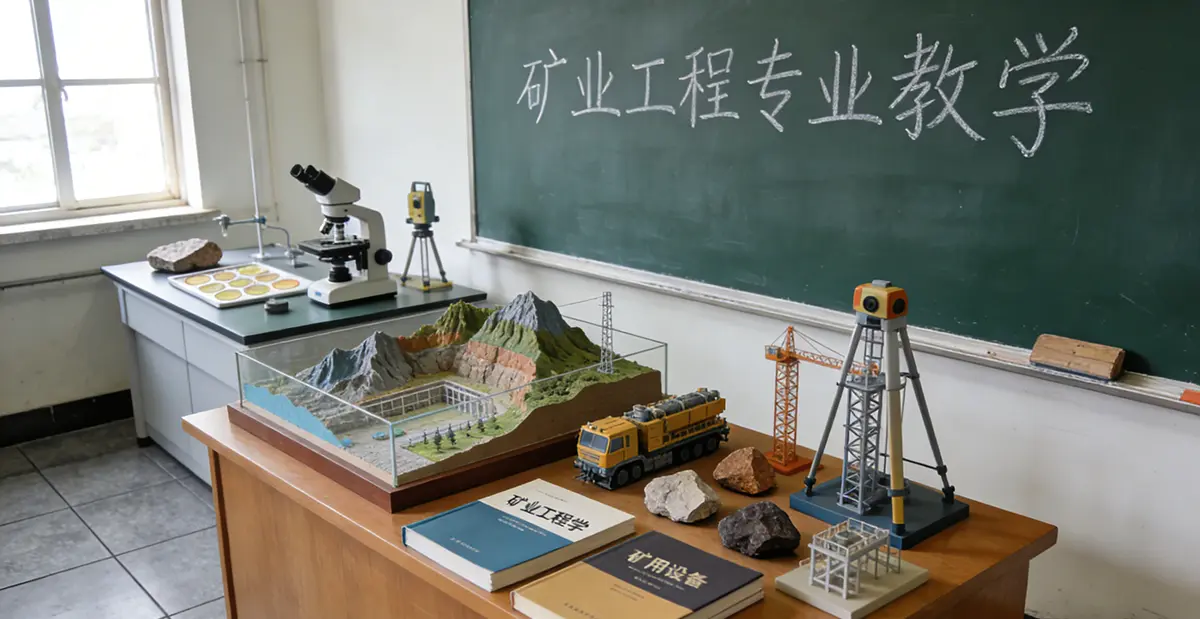
Introduction to Mining Engineering Major
Mining Engineering is the discipline that studies the theories, technologies, and engineering practices for the safe, efficient, and environmentally responsible extraction of mineral resources (coal, metals, non-metals, etc.). It encompasses the entire lifecycle from resource exploration, mine design, and extraction operations to mineral processing and land reclamation.
If the modern industrial system is likened to a skyscraper, Mining Engineering forms its “foundation”— —without a stable supply of mineral resources, all downstream industries—steel, energy, manufacturing, electronics, and more—would lose their raw material foundation. Against the backdrop of accelerating global energy transition by 2026, the strategic value of “energy metals” like lithium, cobalt, nickel, and copper has become unprecedentedly prominent. Consequently, mining engineering has evolved from a traditional industry into a critical discipline supporting national resource security and low-carbon transformation.
Professional Characteristics from an International Perspective: Mining engineering is a flagship discipline in resource-rich nations (Australia, Canada, the United States, China, South Africa, etc.), typically intersecting deeply with geology, rock mechanics, mineral processing, and environmental engineering. The field is highly practical and international in nature—students undertake fieldwork at mining sites and often pursue project development globally after graduation.
Core Courses at International Institutions
Leading international universities emphasize “theory-practice integration” in mining engineering curricula. Taking the University of Western Australia (UWA) and Curtin University as examples, typical course structures include:
Core Foundational Modules:
- Engineering Science Fundamentals: Engineering Mathematics, Numerical Methods & Modeling, Fluid Mechanics, Engineering Mechanics
- Geology & Resources: Mineral Resources Science, Geological Mechanics, Rock Mechanics, Environmental Geotechnics
Professional Core Modules:
- Mining Techniques: Underground Mining (Underground Mining 1 & 2), Surface Mining
- Geotechnics and Safety: Rock Mechanics, Mine Waste Geotechnics, Risk, Reliability and Safety
- Planning and Design: Mine Design Project, Mining Engineering Design, Interdisciplinary Design Project
- Mineral Processing: Extractive Metallurgy
Management and Economics Modules (University of Western Australia Specialty):
- Project Management and Engineering Practice
- Environmental and Resource Economics
- Economic Management and Strategy
- Introductory Financial Accounting
Integrated Practice Modules (Curtin University Specialty):
- Work-Integrated Learning: Course units incorporate extensive practical opportunities and direct industry engagement
- Research Project: A two-semester research project in the final year integrates knowledge to solve real-world mining engineering challenges
- Campus Feature: Curtin University's Kalgoorlie campus is situated in Western Australia's historic gold mining region, offering students hands-on learning opportunities at active mines
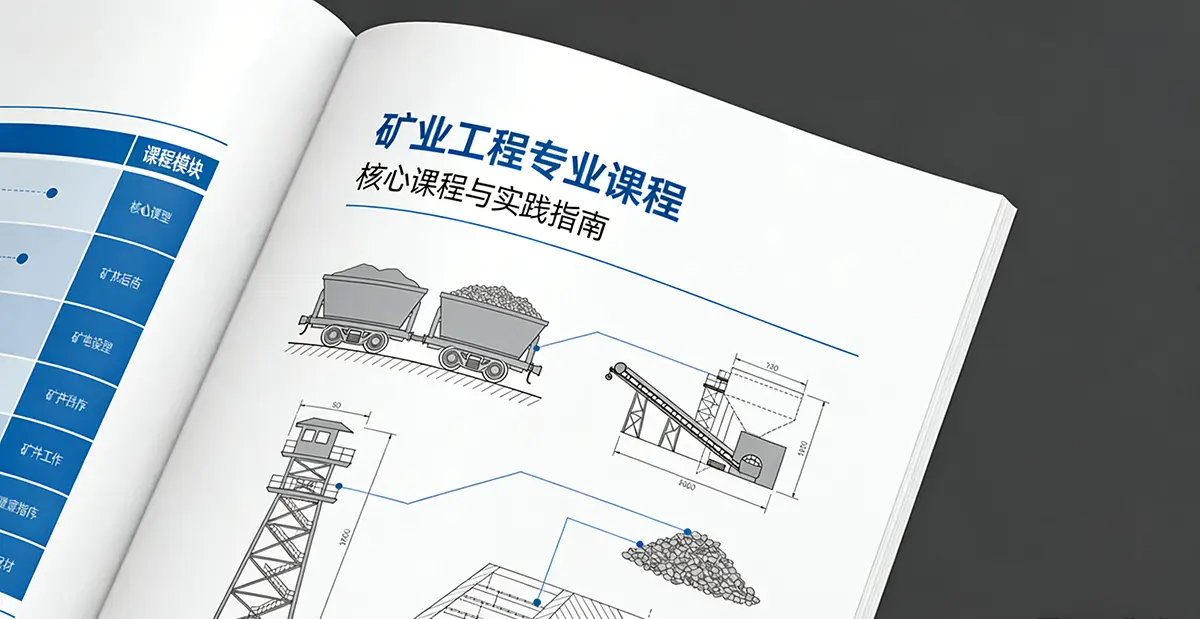
Advanced Study Pathways for Mining Engineering Major
Research directions at the master's and doctoral levels are highly specialized and cutting-edge. Taking Chongqing University and Liaoning Technical University as examples, key areas include:
Traditional Core Disciplines:
- Mining Engineering and Rock Mechanics: Deep mining, rock fragmentation theory, ground pressure control
- Mineral Processing and Resource Utilization: Low-grade ore upgrading, mineral materials, clean coal technologies
- Mine Safety and Disaster Prevention: Prediction of coal-rock dynamic hazards (rock bursts, coal and gas outbursts), mine ventilation and fire prevention
Emerging Frontier Areas (Intelligent and Green):
- Intelligent Mining: Mine geological transparency, digital twins, 5G-Advanced remote operation, autonomous mining truck platooning
- Carbon Storage Science and Technology: CO₂ Geological Sequestration, Unconventional Natural Gas Extraction
- Abandoned Mine Underground Space Development: Underground Resource Utilization, Ecological Restoration
- Mining Economics and Management: Mining Rights Valuation, Project Financing, Global Supply Chains
Interdisciplinary Directions:
- Mine Environmental Engineering: Soil Remediation, Mine Ecological Restoration, Green Mine Construction
- Geothermal and New Energy: Mine geothermal utilization, deep geothermal development
- AI and Big Data: AI-assisted geological exploration, intelligent monitoring and early warning systems
International Career Paths and Positions
Mining engineering graduates are in high demand globally, with career opportunities spanning traditional mining to high-tech companies.
Core Employment Sectors:
| Sector | Typical Employers | Representative Positions |
| Multinational Mining Giants | BHP, Rio Tinto, Vale | Mining Engineer, Geotechnical Engineer, Mine Planner |
| Oil/Energy Companies | Shell, Mobil, National Oil Companies | Unconventional Energy Development, Carbon Sequestration Engineer |
| Engineering Consultancies | Multinational Geotechnical/Mining Consultancies | Consulting Engineer, Geotechnical Engineer |
| Equipment Manufacturing & Automation | Caterpillar, Komatsu, Epiroc | Mining Equipment Design, Smart Mining Solutions |
| Financial/Investment Institutions | Investment Banks, Funds, Mining Private Equity | Mining Analyst, Resource Project Evaluator |
| International Organizations/Government | United Nations, National Geological Surveys, Energy Departments | Policy Analyst, Resource Management Officer |
| Overseas Engineering Companies | Overseas Projects of Chinese Enterprises (e.g., Sinoma Construction) | Mine Operations Manager (Overseas), Project Manager |
Representative Global Positions (Based on Latest Industry Data):
1. Mining Engineer: Responsible for mine design, production planning, and extraction method optimization to ensure safe and efficient resource recovery
2. Geotechnical Engineer: Studies rock and soil mechanical behavior, responsible for slope stability, underground roadway support, and tailings dam safety
3. Mining Planner: Develops medium-to-long-term extraction plans to optimize resource utilization and economic efficiency
4. Mine Manager: Oversees production, safety, environmental compliance, and personnel management at mining sites
5. Consulting Engineer: Provides technical consulting, due diligence, and feasibility studies for global mining projects
6. Overseas Mine Operations Manager: Manages mining operations for overseas projects, stationed in resource-rich countries like Nigeria, Indonesia, and Russia
7. Geophysical Technician (Overseas): Conduct mineral resource exploration, data interpretation, and development plan formulation; proficient in mining modeling software
Salary Levels:
- Australia: Perth region mining engineers earn a median annual salary of AUD 120,000 (approx. RMB 570,000); University of Western Australia graduates start at approximately AUD 61,872/year
- Overseas Positions in China: Post-probationary monthly pre-tax salary for overseas mine operations roles starts at no less than RMB 12,000, plus generous year-end bonuses and seven insurances with two funds
- Domestic China: Geotechnical engineers earn monthly salaries ranging from RMB 4,000 to 15,000, depending on experience and qualifications
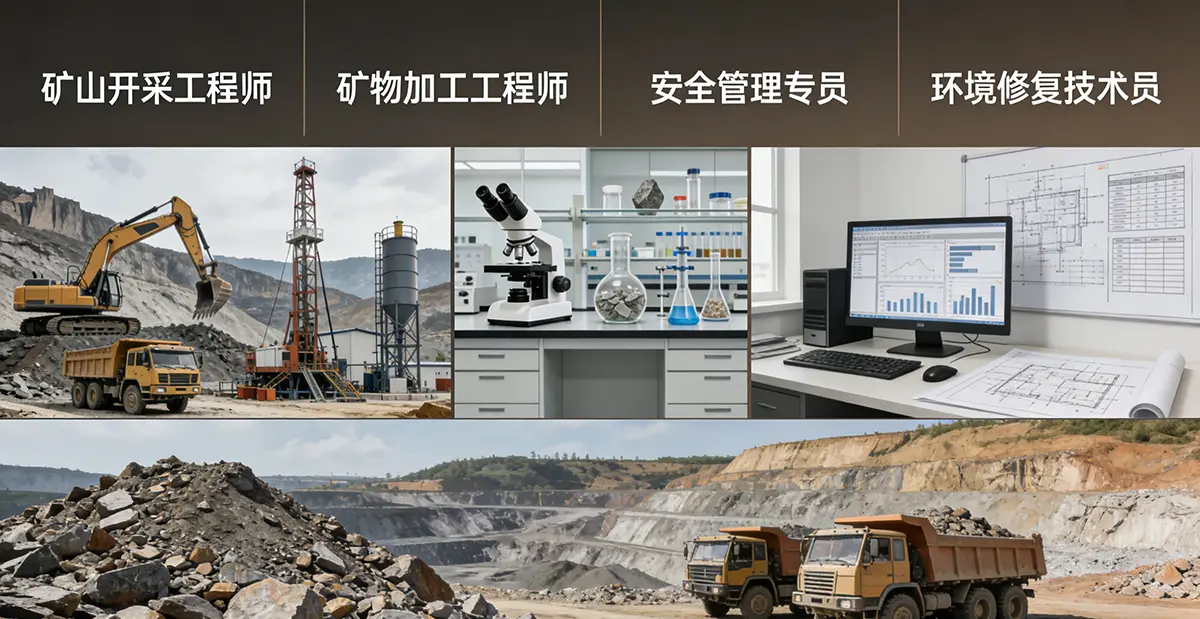
International Employment Rates and Industry Trends
Employment Rates and Talent Shortages in Mining Engineering:
- Mining engineering graduates consistently face a supply shortage in the global job market. Curtin University's mining engineering program meets the accreditation requirements of Engineers Australia (EA), enabling graduates to pursue direct pathways to professional engineer qualifications.
- According to a research report by Dongwu Securities, the global mining machinery market is valued at US$135 billion, with the aftermarket accounting for approximately 50%, reflecting sustained industry demand for operations and maintenance professionals
- With mining projects often located in remote areas or overseas, graduates willing to work abroad enjoy particularly abundant employment opportunities
Industry Development Trends for Mining Engineering Major:
1. Energy transition drives new demand: Surging demand for “energy metals” like lithium, cobalt, nickel, copper, and rare earths. Gold, silver, and copper prices hit record highs in 2026, significantly boosting mining companies' capital expenditures. Sichuan's global lithium reserves surged from 6% to 16.5%, securing resources for the new energy vehicle industry.
2. Intelligent Revolution: Following mechanization and automation, intelligent mining is emerging as the third technological revolution in the industry. Xinjiang's Yimin open-pit mine has commercialized 100 driverless electric trucks; 5G-Advanced networks are progressively resolving high-latency challenges in underground mining. Approximately 45% of mining companies now adopt AI and digital twin technologies.
3. Green Mining as Entry Barrier: 2026 marks a pivotal turning point for green mining development. The Ministry of Natural Resources mandates that by the end of 2028, 90% of large-scale mines and 80% of medium-sized mines nationwide must meet green mining standards. Initial investment for constructing a new medium-sized green mine exceeds that of a traditional mine by 30% to 50%.
4. Securing critical mineral supply chains: Against a backdrop of deglobalization, achieving self-reliance in critical minerals has become a national strategy. The U.S. has added copper to its list of critical minerals, while the EU is implementing its Carbon Border Adjustment Mechanism (CBAM). Chinese mining companies are accelerating parallel domestic and international expansion—advancing domestic exploration breakthroughs alongside overseas acquisitions (e.g., Zijin Mining, Luoyang Molybdenum).
5. Declining Ore Grades Drive Technological Advancement: Taking gold mining as an example, average grades dropped from approximately 5g/ton in the 1980s to 0.9g/ton by 2024. While lower grades increase extraction difficulty and costs, they also spur innovation demands in mineral processing technologies and equipment.
Ideal Candidates for Mining Engineering Major
If you possess the following traits, you'll gain a competitive edge internationally:
1. Strong foundation in mathematics, physics, and geology: Mechanics (especially rock mechanics) is the core of mining engineering. A solid background in advanced mathematics, physics, and geology is essential.
2. Hands-on and practical skills: Enjoy fieldwork and are willing to work in frontline environments like mines and remote sites. Not averse to “going underground” or “working abroad.”
3. Rigorous attention to detail with safety as the top priority: Mining involves high-risk operations, demanding exceptional responsibility, safety awareness, and meticulous focus on specifics.
4. Systems thinking and engineering vision: Ability to holistically plan mining projects from multiple perspectives including geology, extraction, processing, environmental impact, and economics.
5. Passion for resource and energy strategy: Concern for national energy security and the new energy revolution, with a willingness to contribute to resource security.
6. Adaptability to international and overseas environments: Mining is a global industry where English is the working language. Candidates willing to accept overseas assignments or work in remote locations are highly competitive.
7. Ability to endure hardship: Mining work may require continuous on-site operations for weeks or months, demanding excellent physical fitness and mental resilience.
Core Competencies of Mining Engineering Major
The core strength of this discipline lies in its end-to-end capabilities spanning the entire chain from “geological exploration” to “ecological restoration”:
Rock and Soil Mechanics Modeling & Analysis: Proficiency in applying rock mechanics and soil mechanics theories to establish mining engineering models, analyzing critical issues such as slope stability, roadway support, and rockburst risks. This forms the foundation for ensuring mining safety.
Mine Design and Planning Capabilities: Mastering underground/surface mining methods and utilizing specialized software (e.g., Surpac, Micromine, 3Dmine) for mine design and production planning.
Risk Identification and Safety Management Capabilities: Identifying mining hazards (gas, water, fire, rockburst risks), formulating prevention measures, and ensuring operational safety.
Resource Economics and Project Management Capabilities: Understand mining rights valuation, project financing, cost control, and supply chain management; possess the ability to optimize mining plans from an economic perspective.
Green Mining and Environmental Restoration Capabilities: Demonstrate environmental ethics awareness; incorporate ecological conservation considerations during the design phase; implement land reclamation and ecological restoration after mine closure.
Smart Technology Integration Capability: Apply emerging technologies like AI, digital twins, autonomous driving, and IoT to mining operations, enabling reduced-manned and unmanned workflows.
Leading Global Institutions
Mining engineering programs demonstrate strong capabilities in resource-rich nations and top engineering universities worldwide. Based on the 2025 Shanghai Ranking's World Class Disciplines and the 2025 QS Mineral and Mining Engineering Rankings(Selected Schools - Listed in no particular order), the following institutions lead in this field:
| Ranking Dimension | Institution Name | Country/Region | Notes |
| Shanghai Ranking 1 | Central South University | China | Mining Engineering retains global top spot |
| Shanghai Ranking 2 | China University of Mining and Technology | China | Traditional powerhouse in mining |
| Shanghai Ranking 3 | University of Science and Technology Beijing | China | “Cradle of Steel,” strong mining capabilities |
| Shanghai Ranking 4th | Monash University | Australia | Australia's premier research university |
| Shanghai Ranking 5th | Northeastern University | China | Distinctive mining specialization |
| QS 1st | Colorado School of Mines | USA | QS leader in Mineral and Mining Engineering |
| QS Rank 2 | University of New South Wales | Australia | World-leading mining engineering |
| QS Rank 3 | McGill University | Canada | North America's mining powerhouse |
| QS Rank 5 | Curtin University | Australia | Home of Western Australia's mining school, strong industry ties |
| QS 6th | University of Queensland | Australia | Outstanding mining research strength |
| QS 9th | University of British Columbia | Canada | Canada's premier mining institution |
| QS 13th | University of Western Australia | Australia | Western Australia's resource industry hub, highly practical curricula |
Other Leading Institutions (in no particular order):
- China: Chongqing University, Sichuan University, China University of Geosciences, Kunming University of Science and Technology, Shandong University of Science and Technology, Liaoning Technical University, Henan Polytechnic University, etc.
- USA: Pennsylvania State University, University of Arizona, University of Utah, West Virginia University
- UK: Imperial College London, University of Exeter, University of Leeds
- Europe: Norwegian University of Science and Technology, Technical University of Freiberg (Germany), RWTH Aachen University (Germany), Aalto University (Finland)
- Canada: University of Alberta, University of Toronto, Queen's University, Laurentian University
- Australia: University of Adelaide, University of Newcastle, University of Tasmania
Recommended Learning Path for Mining Engineering Major
1. Build a Solid Foundation (Undergraduate Stage): Focus on core subjects like mathematics, mechanics, and geology. Master advanced mathematics, theoretical mechanics, materials mechanics, rock mechanics, and geology—these form the bedrock for all subsequent specialized courses. Simultaneously, gain proficiency in mine modeling software (e.g., Surpac, Micromine, 3Dmine) and data analysis tools.
2. Build Professional Framework (Mid-to-Late Undergraduate): Delve into core courses like Mining Engineering, Mine Shaft and Tunnel Engineering, Mine Ventilation and Safety, and Mineral Processing. Actively participate in mining internships—seek production placements at mining enterprises to experience the entire “ore-to-product” process firsthand.
3. Focus and Deepening (Master's Stage): Select a research direction based on interests (e.g., intelligent mining, mine safety, green mining, mining economics). Actively seek industrial internships, particularly at major mining corporations or engineering consulting firms. Choose a master's thesis topic closely aligned with industry needs or cutting-edge research.
4. Future Planning and Internationalization (Throughout):
- Language and Perspective: Obtain IELTS or TOEFL certification. Fluent English is essential for careers in resource-rich countries like Australia or Canada. As mining is a global industry, English proficiency directly impacts career ceilings.
- Professional Certification: Research engineer accreditation systems in target countries. For instance, Engineers Australia (EA) certification is prerequisite for becoming a professional engineer locally.
- Skill Matrix: Align with industry demands to strategically develop competencies. Smart mining requires expertise in digital twins, AI algorithms, and IoT; safety engineering demands proficiency in risk modeling and monitoring/alert systems; economics focuses on mineral rights valuation and project financing.
- Seek Overseas Opportunities: Mining engineering is a highly internationalized field. Explore recruitment for overseas projects by Chinese enterprises or directly apply for work visas with foreign mining companies. Overseas experience significantly boosts career advancement.
- Monitor Industry Trends: Stay attuned to frontiers like critical mineral markets (lithium, cobalt, rare earths), green mining policies, and intelligent mining technologies to maintain industry sensitivity.
- The Previous Passage:Control Science and Engineering(Control Sci. Eng.)_控制科学与工程
- The Next Passage:Quantum Science and Engineering(Quantum Sci. Eng.)_量子科学与工程
Human Geography Major_Geography(Geog.)_人文地理
The Human Geography Major explores the complex relationships between human activities and space, cul···

Atmospheric Sciences(Atmos. Sci.)_大气科学
Atmospheric science is the study of phenomena and evolutionary patterns within Earth's atmospher···
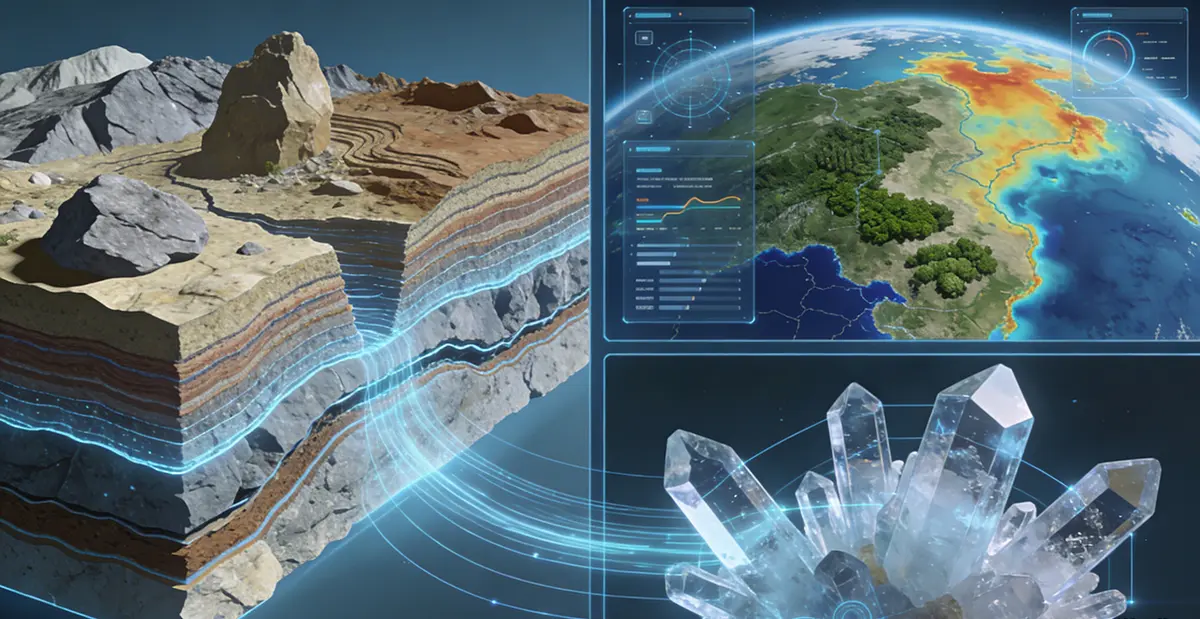
Earth Sciences(Earth Sci.)_地球科学
The Earth Science major focuses on studying the Earth system and its interactions, providing a scien···
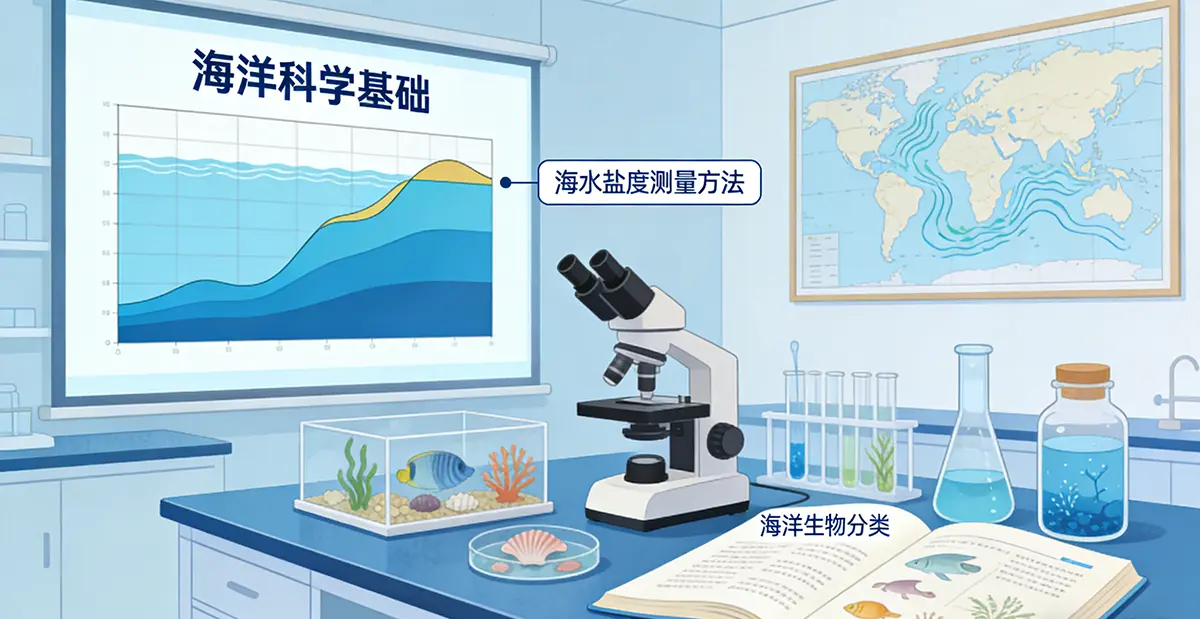
Ocean Sciences(Ocean Sci.)_海洋科学
PbootCMS是全新内核且永久开源免费的PHP企业网站开发建设管理系统,是一套高效、简洁、 强悍的可免费商用的···

