

Human Biology(Hum. Biol.)_人体生物学
Time:2026-04-05 Visits:0
Human Biology Major
The Human Biology Major is a foundational branch of biological science focused on studying human structure, function, and life processes. It integrates knowledge from anatomy, physiology, and genetics across molecular, cellular, and systemic levels to understand normal human physiology. Serving as a bridge between basic science and applied fields like medicine and public health, this major provides a solid academic foundation for students aspiring to enter health science. This article details its core curriculum, advanced pathways, career prospects, and leading global institutions.
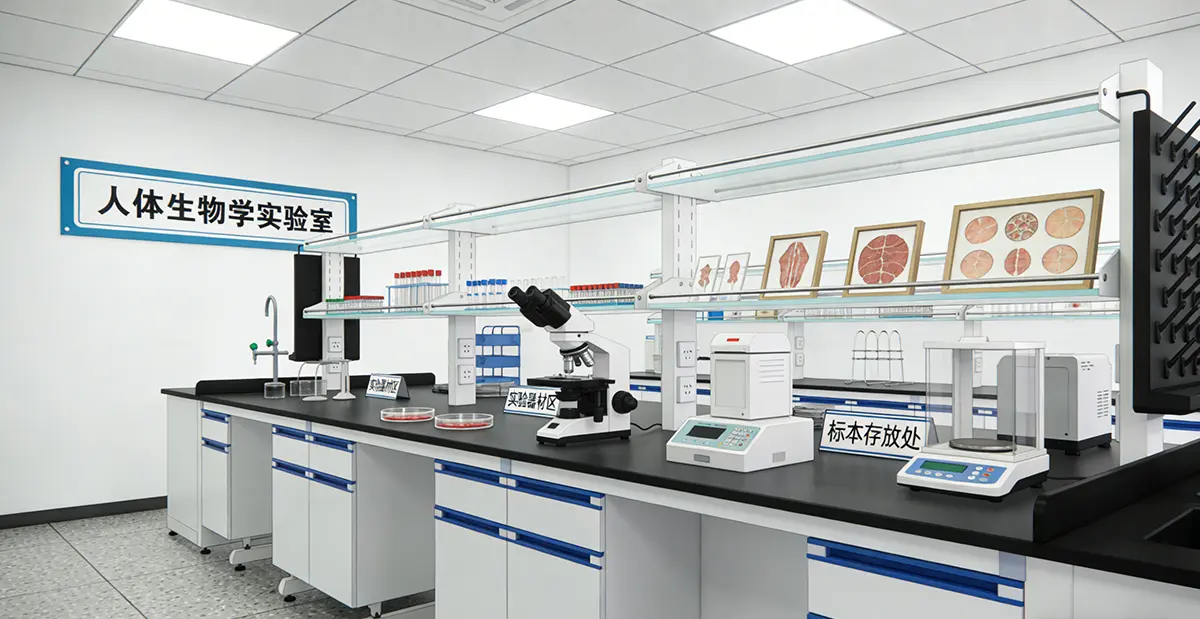
1. Introduction to the Human Biology Major
The Human Biology Major is a specialized branch of fundamental biological science dedicated to investigating the structure and function of the human body. It focuses on exploring normal physiological mechanisms, developmental processes, genetic foundations, and environmental interactions across scales from molecules and cells to tissues, organs, and entire systems. Compared to the broader discipline of Life Sciences, the Human Biology Major concentrates specifically on human life phenomena. Distinct from Basic Medicine, it emphasizes fundamental scientific principles and normal biological activities rather than disease diagnosis and treatment. This major serves as a vital bridge connecting basic biology with applied fields such as clinical medicine, public health, and exercise science.
2. Core Curriculum of the Human Biology Major
| Module Category | Core Courses |
| Foundational Biology Core | Human Anatomy, Histology & Embryology, Human Physiology, Biochemistry, Cell Biology, Molecular Biology, Genetics (with emphasis on human genetics) |
| Systems & Functional Depth | Neurobiology, Endocrinology, Immunology, Reproductive Biology, Cardiovascular Physiology, Exercise Physiology, Nutritional Biology |
| Research Methods & Techniques | Biostatistics, Experimental Physiology Techniques, Molecular & Cellular Laboratory Techniques, Anthropometry & Functional Assessment, Fundamentals of Bioinformatics |
| Interdisciplinary & Health Sciences | Fundamentals of Pathophysiology, Fundamentals of Pharmacology, Introduction to Public Health, Bioethics, Biology of Aging, Human Evolution & Ecology |
| Supporting Disciplines | Inorganic & Analytical Chemistry, Organic Chemistry, University Physics, Calculus |
3. Advanced Study Pathways for the Human Biology Major
Pursuing a PhD in Biomedical Sciences is a primary path for graduates of the Human Biology Major aiming to conduct cutting-edge research in areas like human disease mechanisms, neuroscience, or immunology for careers in academia or top-tier industry R&D. The Human Biology Major also serves as a premier pre-medical pathway, providing a robust scientific foundation for applying to professional schools in Medicine, Dentistry, or Veterinary Medicine (MD/DDS/DVM). Graduates may also enter various Professional Master’s Programs, such as Biomedical Engineering for medical device R&D, Public Health/Epidemiology, Genetic Counseling (with specific certification), or Physician Assistant/Nursing programs for clinical roles. Furthermore, the Human Biology Major provides a strong base for advancement in other interdisciplinary fields like Exercise Science, Forensic Biology, and Medical Communication.
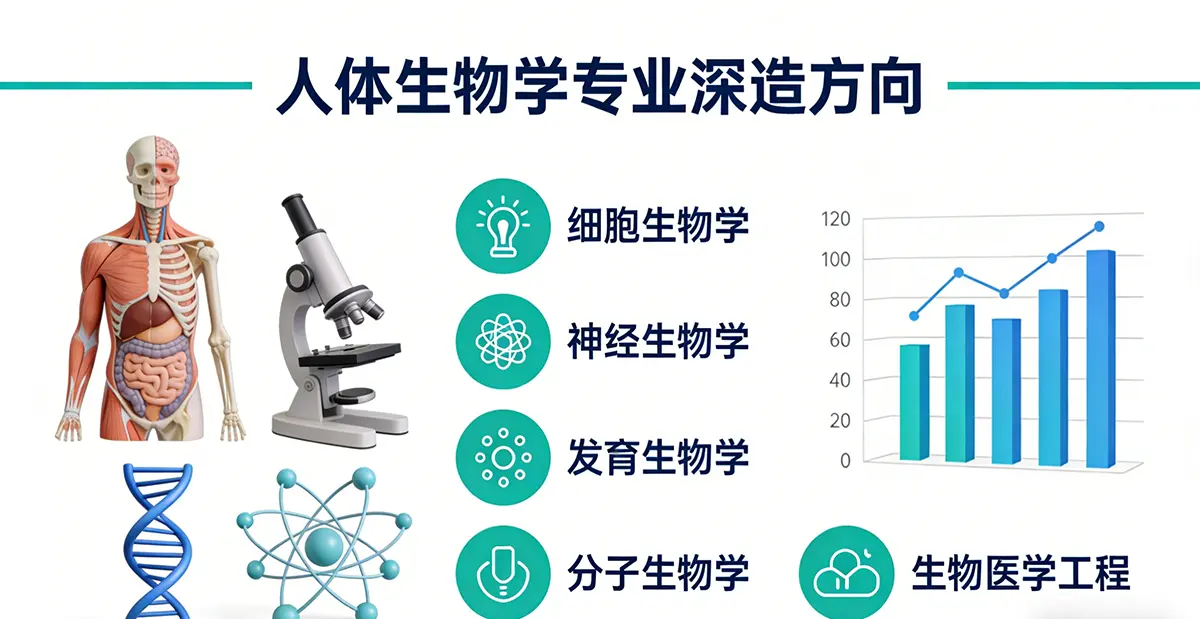
4. Career Paths for Human Biology Majors
Graduates of the Human Biology Major have diverse career trajectories, though most require further specialized training or advanced degrees for optimal positions. In Research and Development, they become researchers or lab managers in academia, or scientists and technicians in biopharmaceutical and medical device R&D. The Health and Medical sector offers paths to clinical roles (e.g., physician, therapist) with additional qualifications, or positions as medical technicians, genetic counselors, public health specialists, or exercise physiologists. Furthermore, Human Biology Majors find opportunities in Science Communication and Support as medical writers, editors, science teachers, or patent agents within the biotechnology sector.
5. Employment and Industry Trends for the Human Biology Major
Employment is characterized by its role as a “foundational major with path dependency.” While the bachelor’s degree provides a solid base, directly aligned entry-level positions are limited, leading most graduates to pursue advanced studies. Success rates for medical school applications are a key indirect quality metric. Starting salaries are strongly tied to advanced credentials, with significant increases following professional (MD) or doctoral degrees.
Key industry trends driving demand for Human Biology Majors include: Precision and Personalized Medicine, requiring deep biological knowledge for tailored healthcare; the growing Aging Science and Longevity industry; expanding research in Neuroscience and Brain Health; the rise of Digital Health and wearables, needing biologists to interpret physiological data; and the sustained importance of fundamental research in Global Health and emerging infectious diseases.
6. Leading Global Institutions Offering the Human Biology Major
The Human Biology Major is frequently offered as a specialized track or concentration within broader Biology or Biomedical Sciences programs. Many top universities provide strong undergraduate education that prepares students for health-related fields.(Some universities are shown - ranking is not in order)
| Country/Region | Representative Institutions (Key Programs) |
| United States | Johns Hopkins University, Stanford University, Duke University, UCLA, University of Michigan, Ann Arbor (all offer robust pre-medical support and biomedical research resources) |
| United Kingdom | University of Oxford (Biomedical Sciences), University of Cambridge (Natural Sciences - Biological), University College London (UCL) |
| Canada | McGill University, University of Toronto (Life Sciences), University of British Columbia (UBC) |
| Australia | University of Melbourne (Biomedical Science), University of Sydney |
| Other | National University of Singapore (NUS), The University of Hong Kong (Biomedical Sciences) |
DisciplineMajor Recommendations
Ideal Candidates for the Human Biology Major:
This major is ideal for individuals with a deep fascination for the mysteries of the human body, health, and disease, who desire a scientific understanding. It suits those aspiring to health-related careers (e.g., physician, researcher) and willing to commit to rigorous, long-term training. Successful candidates possess strong memorization, analytical skills, and keen observation to manage vast, complex knowledge.
Core Competencies of the Human Biology Major:
The Human Biology Major builds a comprehensive and deep understanding of human systems by integrating knowledge across anatomy, physiology, biochemistry, and molecular biology. It develops solid experimental and scientific inquiry skills for investigating human function. Graduates gain strong critical thinking and data analysis abilities to evaluate literature and design experiments. The program also emphasizes empathy and communication skills, which are crucial for future roles in health-related fields.
Learning Recommendations for Human Biology Majors:
Define career goals and plan early, choosing courses and experiences aligned with a research PhD, medical/clinical, or applied health path. Strive for academic excellence, as GPA is critical for competitive graduate or professional programs. Accumulate substantial research experience in human health labs and seek clinical observation or volunteer opportunities. Build a strong network for compelling letters of recommendation from professors and mentors. Develop well-rounded soft skills through teamwork and leadership activities to enhance communication, collaboration, and resilience.
*Note: Program classification may vary by institution; always verify the specific structure at your chosen university.*
- The Previous Passage:Agricultural Sciences(Agric. Sci.)_农学
- The Next Passage:Biology(Biol.)_生物学

Human Geography Major_Geography(Geog.)_人文地理
The Human Geography Major explores the complex relationships between human activities and space, cul···

Atmospheric Sciences(Atmos. Sci.)_大气科学
Atmospheric science is the study of phenomena and evolutionary patterns within Earth's atmospher···

Earth Sciences(Earth Sci.)_地球科学
The Earth Science major focuses on studying the Earth system and its interactions, providing a scien···
Ocean Sciences(Ocean Sci.)_海洋科学
PbootCMS是全新内核且永久开源免费的PHP企业网站开发建设管理系统,是一套高效、简洁、 强悍的可免费商用的···

