

Medical Technology(Med. Technol.)_医学技术
Time:2026-06-16 Visits:2
Medical Technology Major
Medical Technology Major serves as the unsung hero within healthcare systems. By 2026, as AI and precision medicine become deeply integrated, it is evolving from a traditional clinical support role into a core driver of medical innovation. Below is a systematic overview of this field's international perspective.
Introduction to Medical Technology Major
Medical Technology Major is an interdisciplinary field that applies engineering techniques to solve medical problems and enhance diagnostic and therapeutic capabilities. It encompasses multiple specializations including medical imaging technology, laboratory medicine technology, radiation therapy technology, rehabilitation engineering technology, optometry, and audiology, serving as the bridge connecting clinical medicine and engineering within modern healthcare systems.
If we liken a modern hospital to a sailing vessel, clinicians are the captains at the helm, while medical technology specialists are the engineers in the engine room—they operate CT/MRI machines to provide “navigation charts” for disease diagnosis, decipher the “Morse code” of illness from blood samples in laboratories, precisely destroy tumor cells with radiotherapy equipment, and design and fit rehabilitation aids for patients with disabilities. The core mission of this discipline is “to enhance diagnostic precision and treatment efficacy through technology and craftsmanship.”
Professional characteristics from an international perspective: Medical Technology Major is a highly globalized field with well-established professional certification systems. Western countries have implemented rigorous accreditation frameworks (e.g., ASCP in the U.S., CSMLS in Canada), requiring graduates to pass qualification exams before practicing. In Germany, Master's programs in Medical and Health Technology operate at the intersection of medicine and technology, cultivating students' interdisciplinary capabilities in fields like rehabilitation technology, surgical navigation, and medical information management. This is a discipline characterized by high professional barriers, career stability, and rapid technological iteration.
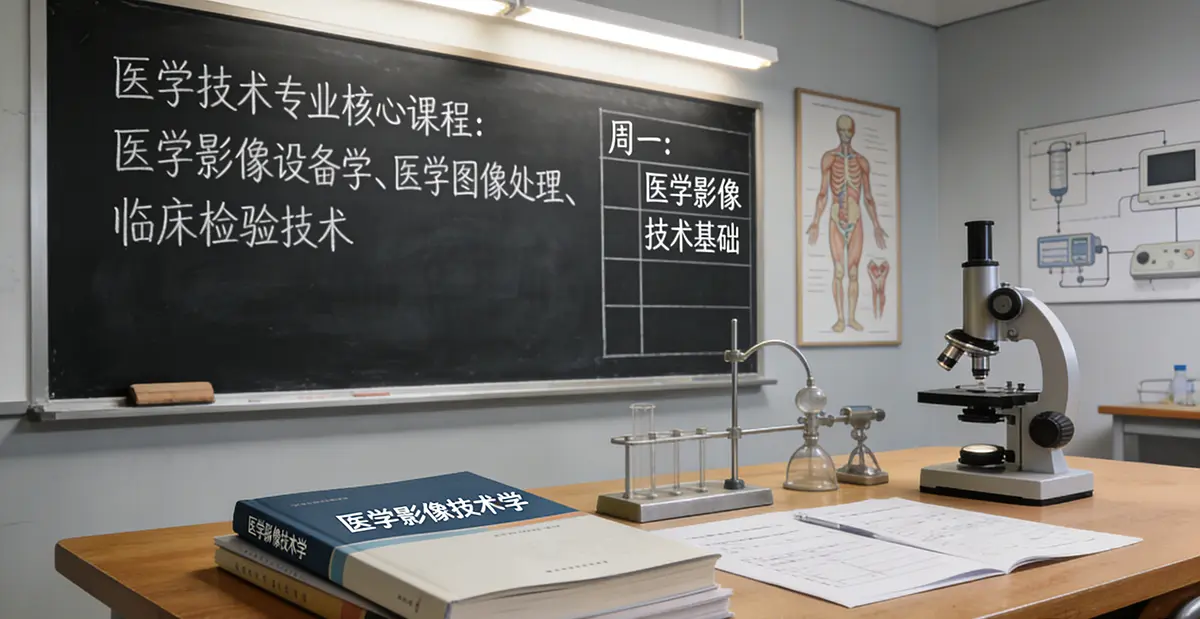
Core Courses at International Institutions
Leading international universities emphasize a trinity of “medical knowledge + engineering technology + information science” in their medical technology curricula, typically employing modular teaching structures. The 5-year program at the University of Genoa's MedTech project exemplifies this approach:
Foundational Sciences Module (Year 1):
- Mathematics: Fundamentals of numerical approximation, AI mathematics, imaging mathematics, neuroscience mathematics, genomics mathematics
- Computer Science Fundamentals: Programming Language Rules & Syntax, Python Programming, Data Visualization Analysis
- Bioelectronics & Biomaterials: Conductive Phenomena in Electronic Systems, Biophysical Structural Circuit Models, Biomaterials (Metals/Ceramics/Polymers/Hydrogels), Surface Engineering Principles, Fundamentals of Nanomedicine Materials
- Biomedical Signal Analysis: Fourier Theorem, Filter Design, Signal Preprocessing, Time-Frequency Transformation
Professional Core Modules (Year 2):
| Course Category | Core Content | Application Areas |
| Medical Informatics | Clinical data modeling, structured data collection, healthcare standards | Electronic health records, medical information systems |
| Biomedical Instrumentation | Interpretation of measurement results, instrument specification evaluation, sensor principles, analog-to-digital conversion | Medical device R&D and applications |
| Biomechanics and Motion Analysis | Kinematic and kinetic modeling, motion analysis equipment, musculoskeletal modeling and dynamic simulation | Rehabilitation engineering, sports medicine |
| Biostatistics | Statistical inference, p-values, confounding factor adjustment, multivariate analysis, regression analysis | Clinical research, data analysis |
Specialization Modules (Year 3):
- Surgical Robotics: Robot-Assisted Surgical Systems (TBD)
- Computer-Assisted Intervention: Image-Guided Therapy (TBD)
- Biomedical Image Processing: Image Reconstruction, Radiology/Nuclear Medicine Image Analysis, Quantitative Estimation of Structural Parameters, Physiological Parameter Mapping
Advanced Application Modules (Years 4-5):
| Course Category | Core Content | Application Areas |
| Healthcare Information Systems | Healthcare database management, data modeling, standardized terminology systems, GDPR compliance | Hospital informatization, health big data |
| Telemedicine | IoT & Context Awareness, Remote Patient Monitoring, Home Hospital, Remote Rehabilitation | Smart Healthcare, Home Care |
| Healthcare Management | Healthcare Organization Management (TBD) | Department Management, Quality Control |
| Omics Technologies | Genomics, Proteomics (TBD) | Precision Medicine, Biomarkers |
| Rehabilitation and Assistive Technology | Cognitive/Sensory/Motor Function Restoration, Prosthetic Design, Frontiers in Rehabilitation Engineering | Rehabilitation Medicine, Disability Assistance |
| Machine Learning Fundamentals | ML Method Applications, Model Selection, Reproducibility Issues, Data-Driven Decision-Making, Medical Software Evaluation | AI-Assisted Diagnosis, Clinical Decision Support |
| Cybersecurity and Data Protection | Confidentiality/Integrity/Availability, Cryptography, Access Control, Data Anonymization | Healthcare Information Security, Privacy Protection |
| Technology Ethics | Value Issues in Science and Technology, Biomedical Ethical Dilemmas | Ethics Review, Clinical Decision-Making |
Key Features of the Master's Program in “Medical and Health Technology” at Zwickau University of Applied Sciences, Germany:
- 3-semester program taught in German
- Core specializations: Rehabilitation and Smart Home Technology, Medicine and Society, Strategic Information Management, Laser Medicine, Biomaterials and Artificial Organs, Surgical Navigation and Robotics
- Target applicants: Graduates with bachelor's degrees in Biomedical Engineering/Medical Technology, Medical Informatics, Health and Nursing Sciences, etc.
Advanced Study Pathways for Medical Technology Major
Master's and doctoral research focuses on highly specialized and cutting-edge fields, primarily encompassing the following areas:
Medical Imaging and Image-Guided Therapy:
- Advanced Imaging Technologies: Ultra-high field MRI, photon-counting CT, PET/MR multimodal fusion
- Image Processing and Analysis: AI-assisted diagnosis, radiomics, radiogenomics
- Image-Guided Interventions: Intraoperative image navigation, radiotherapy planning optimization, interventional robotics
Laboratory Medicine and In Vitro Diagnostics:
- Molecular Diagnostics: CRISPR detection, liquid biopsy, single-cell sequencing
- POCT (Point-of-Care Testing): Microfluidic chips, biosensors, smartphone diagnostics
- AI-Assisted Pathology: Digital pathology image analysis, multimodal fusion diagnostics
Rehabilitation Engineering and Assistive Technology:
- Smart Prosthetics and Orthotics: EMG control, sensory feedback, 3D-printed customization
- Brain-Computer Interfaces: Neural signal decoding, mind-controlled devices, neurofeedback training
- Exoskeleton Robots: Rehabilitation training, elderly/disabled assistance, human performance augmentation
Medical Robotics and Navigation:
- Surgical Robots: Minimally invasive surgical robots, natural orifice robots, ophthalmic surgical robots
- Navigation Systems: Optical/electromagnetic navigation, augmented reality surgical guidance
- Flexible Robotics: Soft robots, continuum robots, interventional catheters
Medical Informatics and AI:
- Large Medical Models: Clinical decision support, intelligent medical record analysis, medical knowledge graphs
- Medical IoT: Wearable devices, remote monitoring, home-based rehabilitation
- Healthcare Cybersecurity: Privacy-Preserving Computing, Blockchain in Healthcare, Data De-identification
Medical Device Innovation and Regulatory Science (Specialty of West China Hospital, Sichuan University):
- Medical Device Market Access Evaluation: Clinical Evaluation, Technical Review, Post-Market Surveillance
- Medical Device Reliability Assessment: Failure Analysis, Lifespan Prediction, Risk Management
- Medical Equipment Technology Innovation: Proton/Heavy Ion Radiotherapy Systems, Smart Wearables, Biochips
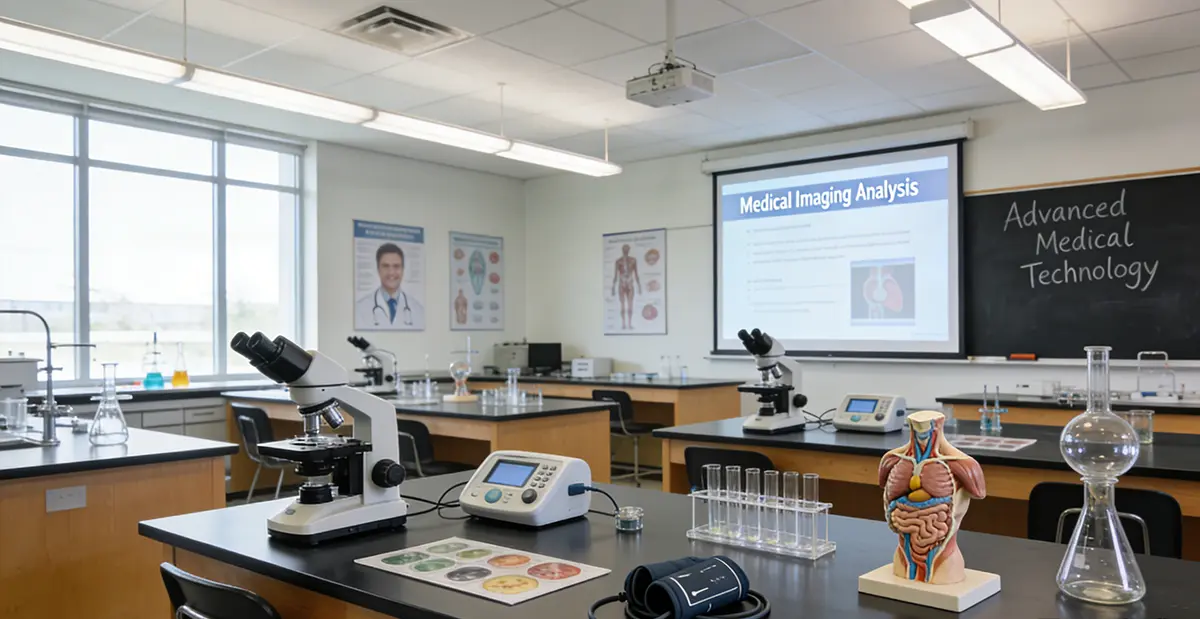
International Career Pathways and Positions
Graduates in Medical Technology are in high demand globally, with career opportunities spanning clinical settings, industry, research, and regulatory sectors.
Core Employment Fields:
| Field | Typical Employers | Representative Positions |
| Clinical Institutions | Hospital Imaging Departments, Laboratory Departments, Radiotherapy Departments, Rehabilitation Departments | Medical Imaging Technologists, Laboratory Technologists, Radiation Therapists, Clinical Engineers |
| Medical Technology Companies | Siemens Healthineers, GE Healthcare, Philips, Medtronic | Clinical Application Specialist, Product Manager, R&D Engineer, Technical Support |
| Independent Laboratories | Quest Diagnostics, LabCorp, KingMed Diagnostics | Laboratory Technician, Laboratory Supervisor, Quality Control Specialist |
| Research Institutions | University Medical Schools, Research Institutes, Teaching Hospital Research Platforms | Researcher, Laboratory Supervisor, Platform Engineer |
| Regulatory & Government Agencies | FDA, NMPA, Provincial Medical Device Review Centers | Reviewer, Inspector, Policy Analyst |
| International Organizations | WHO, IAEA, UNICEF | Medical Technology Advisor, Program Officer |
| Startups | AI Healthcare Startups, Molecular Diagnostics Startups | Co-founder, CTO, Clinical Scientist |
Globally Representative Positions (Based on Latest Industry Data):
1. Medical Laboratory Technologist (Canada): Conducts clinical laboratory testing in hospitals or independent labs, including hematology, microbiology, biochemistry, and immunology. Nova Scotia forecasts strong employment prospects from 2025-2027, with nationwide shortages persisting for years—even recent graduates with limited experience can find jobs easily. 73% work in hospitals, 25% in outpatient settings. 91% work full-time
2. Medical Radiation Technologist (Canada): Operates X-ray, CT, MRI, nuclear medicine, and radiation therapy equipment in radiology and radiotherapy departments. Nova Scotia forecasts strong employment growth from 2024-2026, with 91% employed in hospitals. New graduates often start in part-time or temporary roles. 86% work full-time year-round
3. Clinical Engineers: Manage, maintain, and evaluate medical equipment procurement in large hospitals to ensure safe and effective operation
4. Clinical Application Specialists: Provide equipment training, technical support, and clinical protocol optimization for hospital clients at medical device companies
5. AI Medical Product Managers: Define requirements, conduct clinical validation, and market AI-assisted diagnostic products at technology firms
6. Medical Device Reviewers: Conduct technical evaluations and registration approvals for medical devices at regulatory agencies
7. Molecular Diagnostics R&D Engineer: Develops novel nucleic acid testing, gene sequencing, and POCT products at diagnostic reagent companies
Salary Levels (International Reference):
- Canada: 54% of medical laboratory technologists hold college diplomas, 37% hold bachelor's degrees; 52% of medical radiological technologists hold bachelor's degrees, 11% hold graduate degrees
- Germany: Master's programs at Zwickau University of Applied Sciences are tuition-free; graduates find employment in medical technology firms and research institutions
- United States: Median annual salary for medical imaging technologists ranges from approximately $65,000 to $85,000; clinical engineers earn roughly $80,000 to $100,000
International Employment Rates and Industry Trends
Employment Rates and Talent Shortages:
- Canada: Medical laboratory technologists face nationwide shortages for years. Nova Scotia forecasts strong employment prospects from 2025-2027, with retirements creating moderate vacancies.
- Canada: Medical radiographers face favorable employment prospects from 2024 to 2026; willingness to work in smaller communities enhances job opportunities
Industry Development Trends:
1. AI Deeply Empowering Medical Technology: AI healthcare is poised for explosive growth in 2026, with the AI healthcare index surging over 11% in just 14 trading days this year. Sub-sectors like AI-assisted diagnosis, AI medical imaging, and AI drug discovery are accelerating implementation. Projections indicate China's AI healthcare market will surge from RMB 8.8 billion in 2023 to RMB 315.7 billion by 2033, with a compound annual growth rate of 43.1%.
2. Continued Policy Support: In November 2025, five ministries issued the Implementation Opinions on Promoting and Standardizing the Application Development of “AI+Healthcare,” setting targets to establish specialized vertical large models and intelligent agent applications for clinical diseases by 2027, and achieve widespread AI-assisted diagnosis adoption in secondary-level hospitals by 2030. The National Healthcare Security Administration has incorporated AI-assisted diagnosis into pathology diagnosis pricing projects, streamlining billing procedures.
3. Medical equipment innovation elevated to national strategy: The State Council's “Action Plan for High-Quality Development of the Medical Equipment Industry” emphasizes strengthening interdisciplinary training of medical-engineering professionals. Eight ministries jointly released the “Implementation Opinions on the ‘AI+Manufacturing’ Special Action,” mandating accelerated development of surgical robots and intelligent diagnostic systems to expedite clinical adoption of smart medical equipment.
4. Rapid growth of third-party medical laboratories: Independent medical laboratories have become a key employment sector. Graduates of Tianjin University of Traditional Chinese Medicine's Medical Laboratory Technology program can pursue careers in new drug R&D and diagnostic reagent development across national biopharmaceutical parks and high-tech industrial zones.
5. Emergence of Regulatory Science in Medical Devices: West China Hospital of Sichuan University independently established “Medical Engineering Technology” as a secondary discipline under the primary discipline of “Medical Technology,” focusing on medical device market access assessment, reliability evaluation, and technological innovation and application. Graduates may work in medical device transformation and regulation within healthcare administrative departments.
6. Precision medicine drives molecular diagnostics demand: Rapid advancements in CRISPR detection, liquid biopsy, and single-cell sequencing. Researcher Liu Tiancai's team at Southern Medical University conducts cutting-edge work in nanomedicine-based biomarker diagnostics and machine learning for in vitro diagnostics.
7. Accelerated Commercialization Amid Challenges: AI medical products require rigorous validation from laboratory to clinical deployment, with urgent issues including diagnostic stability, result interpretability, and standardized datasets. Commercial certainty is expected to strengthen by 2026 as payers clarify reimbursement policies and enhance payment capacity.
Individuals Suited for Medical Technology Major
If you possess the following qualities, you'll gain a competitive edge in the global arena:
1. Strong foundation in math, physics, and programming: Solid grounding in mathematics and physics, proficiency in programming languages like Python, and the ability to process data and apply algorithms
2. Dual Passion for Medicine and Engineering: Curiosity about clinical challenges combined with enthusiasm for engineering, enabling seamless transition between both fields
3. Strong Hands-On and Practical Skills: Enjoy operating precision instruments, debugging equipment, analyzing data, and engaging in hands-on work in labs and clinical settings
4. Rigorous Attention to Detail: Medical testing, radiation therapy, and similar roles directly impact patient health and lives, demanding exceptional responsibility and precision
5. Commitment to continuous learning: New technologies, equipment, and methodologies emerge constantly, necessitating ongoing knowledge updates
6. Communication and teamwork: Requires effective coordination with physicians, nurses, engineers, and patients to align diverse needs
7. Ethical awareness and accountability: Medical technologies directly serve patients, demanding adherence to ethical standards and protection of patient privacy
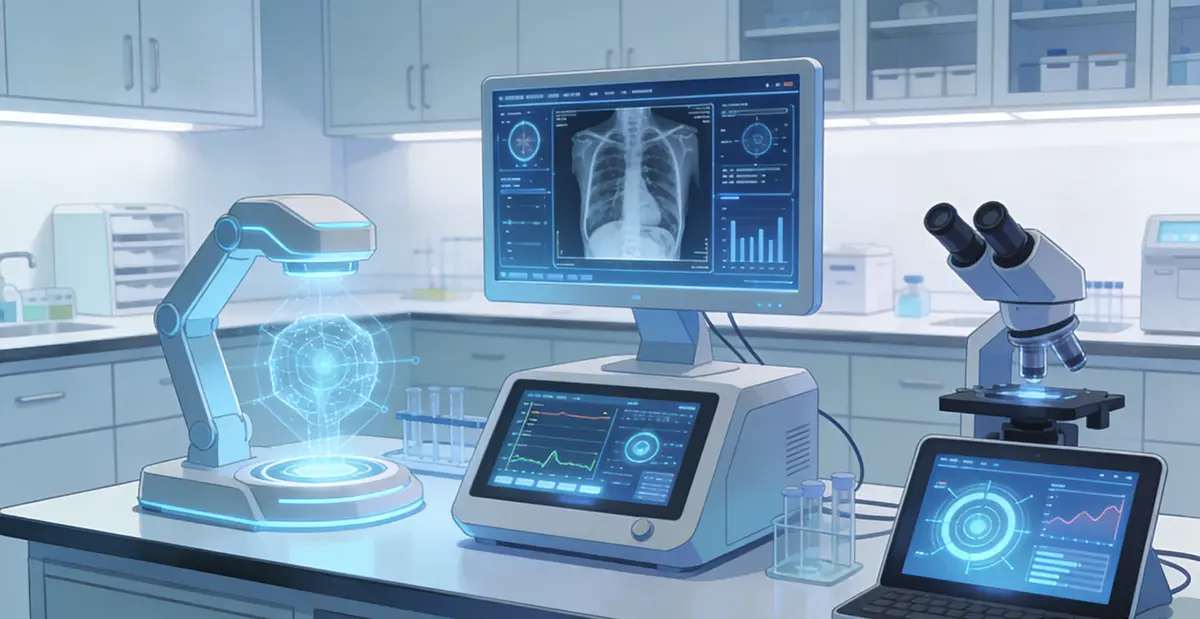
Core Competencies of Medical Technology Major
The core competitiveness of this field lies in its end-to-end integration capability from “clinical needs” to “technical solutions”:
Interdisciplinary knowledge integration: Synthesizing medical science, engineering technology, and information science to understand the technical essence underlying clinical problems.
Instrument operation and maintenance: Mastering the operational principles, quality control procedures, and troubleshooting of diverse medical equipment (CT/MRI/laboratory instruments/radiotherapy devices).
Data Analysis and Algorithm Application: Utilizing biostatistical methods to analyze clinical data, comprehending AI algorithm principles, and participating in medical software evaluation and selection.
Image and Signal Processing: Mastering preprocessing, feature extraction, and analysis methods for biomedical signals (ECG/EEG/EMG) and medical images (CT/MRI/PET).
Quality Management and Safety Compliance Awareness: Familiarity with quality management systems (ISO 13485) and data protection regulations (GDPR) to ensure operational compliance.
Clinical Communication and Technical Support: Ability to understand clinicians' needs, provide expert technical support, and train clinical staff on new equipment.
Innovation and Translation Mindset: Capability to identify unmet clinical needs, participate in medical device innovation and R&D, and drive technology transfer.
Leading Institutions Globally
(Selected Schools - Listed in no particular order)
1. United Kingdom
University College London
2. United States
Stanford University, Johns Hopkins University, University of California, San Francisco, Harvard University, Mayo Clinic College of Medicine and Science - Minnesota, University of Pennsylvania, New York University, Yale University, Duke University, University of Washington, Cornell University, University of Michigan - Ann Arbor, Washington University in St. Louis, University of Texas Southwestern Medical Center, University of Southern California, Northwestern University (Evanston), Emory University, University of Minnesota Twin Cities, University of California, Los Angeles, University of Virginia, Vanderbilt University
3. Canada
University of Toronto
4. Netherlands
Vrije Universiteit Amsterdam, University of Amsterdam
5. South Korea
Sungkyunkwan University
6. Germany
University of Munich, Technical University of Munich, University of Heidelberg, Zwickau University of Applied Sciences (Master's in Medical and Health Technology, taught in German)
7. Austria
Medical University of Vienna
8. Italy
University of Genoa (MedTech Program, 5-year integrated bachelor's-master's degree)
9. China
West China Hospital, Sichuan University (Medical Engineering Technology, Master's and PhD enrollment), Southern Medical University (Professional Master's in Medical Technology), Tianjin University of Chinese Medicine (Bachelor's in Medical Laboratory Technology)
Recommended Learning Path for Medical Technology Major
1. Build a Solid Foundation (Undergraduate Stage):
Focus on mathematics, physics, and programming. Master advanced mathematics, linear algebra, probability and statistics, and university physics—these form the cornerstone for understanding medical instrument principles. Simultaneously, become proficient in Python programming to perform data analysis and implement basic algorithms. Select a specialized track based on interest (medical imaging, laboratory technology, rehabilitation engineering, etc.).
2. Build Professional Framework (Mid-to-Late Undergraduate):
Deepen knowledge in core courses like medical informatics, biomedical instrumentation, biomedical signal processing, and biostatistics. Actively participate in laboratory practice and hospital internships, aiming for rotations in radiology, laboratory medicine, and rehabilitation departments to understand clinical workflows.
3. Focus and Deepen (Master's Stage):
Select research directions based on interests, such as AI-assisted diagnosis, surgical robotics, molecular diagnostics, or medical device regulation. Actively seek industry internships, particularly at medical technology companies, independent laboratories, or regulatory agencies. Align master's thesis topics with industry needs or cutting-edge research.
4. Future Planning and Internationalization (Throughout):
- Language and Perspective: Obtain IELTS or TOEFL certification. Medical technology is a highly globalized field where fluent English is essential for overseas studies or international employment. German programs require German language proficiency at B2 level.
- Professional Certification: Research licensing requirements in target countries. Canadian medical laboratory technologists must pass the CSMLS exam; U.S. practitioners require ASCP certification.
- Skill Map: Align with industry demands to develop targeted competencies:
- AI/ML: Machine learning fundamentals, deep learning frameworks (PyTorch/TensorFlow), medical image analysis
- Data Processing: Python data science stack (NumPy/Pandas/Matplotlib), SQL databases
- Specialized Software: Medical image processing tools (3D Slicer/ITK), statistical software (R/SPSS)
- Industry Trends: Read journals like Nature Biomedical Engineering; monitor AI healthcare policies and Class III medical device approval progress.
- Expand international experience: Pursue international exchanges, overseas internships, or projects with international organizations. The German DAAD program offers tuition-free master's opportunities.
5. Domestic Advanced Study Pathway (using West China Hospital, Sichuan University as an example):
- Admitted discipline: “Medical Engineering Technology” (secondary discipline under the primary discipline of Medical Technology)
- Training model: Dual-mentor system (medical mentor + science/engineering mentor)
- Research Areas: Medical device market access assessment, medical device reliability evaluation, medical equipment technological innovation
- Career Pathways: Healthcare administrative authorities (device translation and regulation), higher education institutions (research/teaching), medical device research institutes (innovation R&D), medical device enterprises (development/manufacturing), large medical institutions (device lifecycle management)
Medical technology is a strategic discipline that safeguards human health through engineering. It demands a solid foundation in science and engineering, sensitivity to clinical challenges, and a passion for continuous learning. In return, it offers irreplaceable value and stable career prospects within the global wave of medical technology innovation.
- The Previous Passage:Pharmacy(Pharm.)_药学
- The Next Passage:Medical Imaging(Med. Imaging)_医学影像学

Human Geography Major_Geography(Geog.)_人文地理
The Human Geography Major explores the complex relationships between human activities and space, cul···

Atmospheric Sciences(Atmos. Sci.)_大气科学
Atmospheric science is the study of phenomena and evolutionary patterns within Earth's atmospher···

Earth Sciences(Earth Sci.)_地球科学
The Earth Science major focuses on studying the Earth system and its interactions, providing a scien···
Ocean Sciences(Ocean Sci.)_海洋科学
PbootCMS是全新内核且永久开源免费的PHP企业网站开发建设管理系统,是一套高效、简洁、 强悍的可免费商用的···

