

Medical Imaging(Med. Imaging)_医学影像学
Time:2026-06-17 Visits:3
Medical Imaging Major
The Medical Imaging Major integrates clinical medicine, imaging technology, and diagnostics, dedicated to utilizing advanced technologies like CT, MRI, and AI for disease diagnosis and evaluation. This discipline is a core pillar of precision medicine, training senior medical professionals capable of operating high-end equipment and independently performing imaging diagnosis.
1. Introduction to the Medical Imaging Major
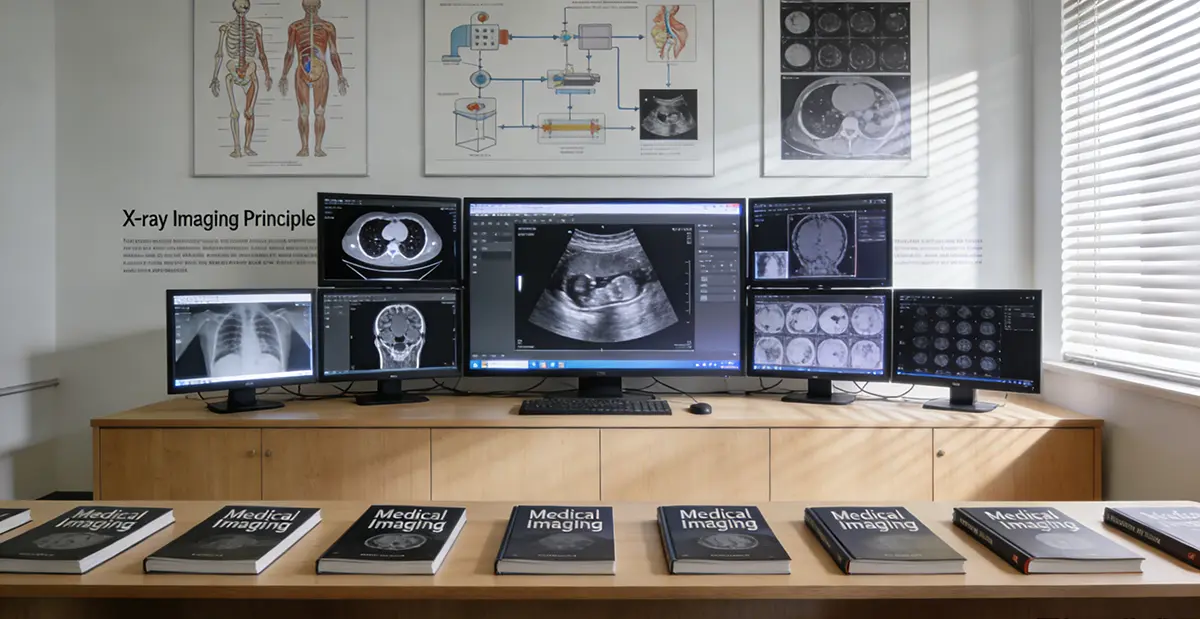
The Medical Imaging Major is a clinical medical discipline integrating the fields of clinical medicine, medical imaging technology, and diagnostic imaging. It is designed to utilize imaging technologies—such as X-ray, CT, Magnetic Resonance Imaging (MRI), Ultrasound (US), and Nuclear Medicine (PET/SPECT)—to obtain information on the internal structures and functions of the human body. Through the interpretation and analysis of these images, it provides critical evidence for disease prevention, screening, diagnosis, treatment planning, and therapeutic efficacy evaluation. This Major cultivates versatile medical professionals capable of both operating advanced imaging equipment and independently conducting imaging diagnosis.
2. Major Courses in the Medical Imaging Major
| Module Category | Core Courses |
| Basic Medical Sciences | Human Systemic Anatomy, Regional Anatomy, Histology and Embryology, Physiology, Pathology, Pathophysiology |
| Clinical Medicine | Diagnostics, Internal Medicine, Surgery, Obstetrics and Gynecology, Pediatrics, Neurology |
| Imaging Core | Medical Imaging Diagnosis (System-specific study of X-ray, CT, MRI, US), Medical Imaging Technology (Equipment Principles and Operation), Nuclear Medicine, Fundamentals of Interventional Radiology, Introduction to Radiotherapy |
| Fundamentals of Physics and Engineering | Medical Imaging Physics, Fundamentals of Electronics, Radiation Biology, Radiation Protection and Regulations |
| Frontiers and Interdisciplinary Studies | Molecular Imaging, Functional Magnetic Resonance Imaging (fMRI), Artificial Intelligence Applications in Medical Imaging, Radiomics |
| Practical Skills | Image Interpretation Training, Imaging Equipment Operation Training, Clinical Internship (Radiology, Ultrasound Department, etc.) |
3. Advanced Study Pathways for the Medical Imaging Major
Master's/Doctoral Programs in Medical Imaging and Nuclear Medicine: The primary pathway to becoming a specialist physician or pursuing research in medical imaging.
Specialization in Radiation Oncology (Radiotherapy): Focusing on radiation therapy for cancer treatment.
Master's in Biomedical Engineering/Medical Physics: Emphasizing medical imaging equipment R&D, roles as a medical physicist, or advanced clinical application support.
Master of Public Health/Healthcare Management: Transitioning into hospital administration, healthcare policy, or public health sectors.
Master's in Medical Artificial Intelligence/Imaging Informatics: Specializing in AI algorithm development for medical imaging or big data analysis in imaging.
4. Career Paths and Positions for the Medical Imaging Major
As a vital branch of clinical medicine, employment is highly concentrated within the healthcare system, offering a clear and structured career path.
Core Employment Sectors
Hospitals (The Primary Destination):
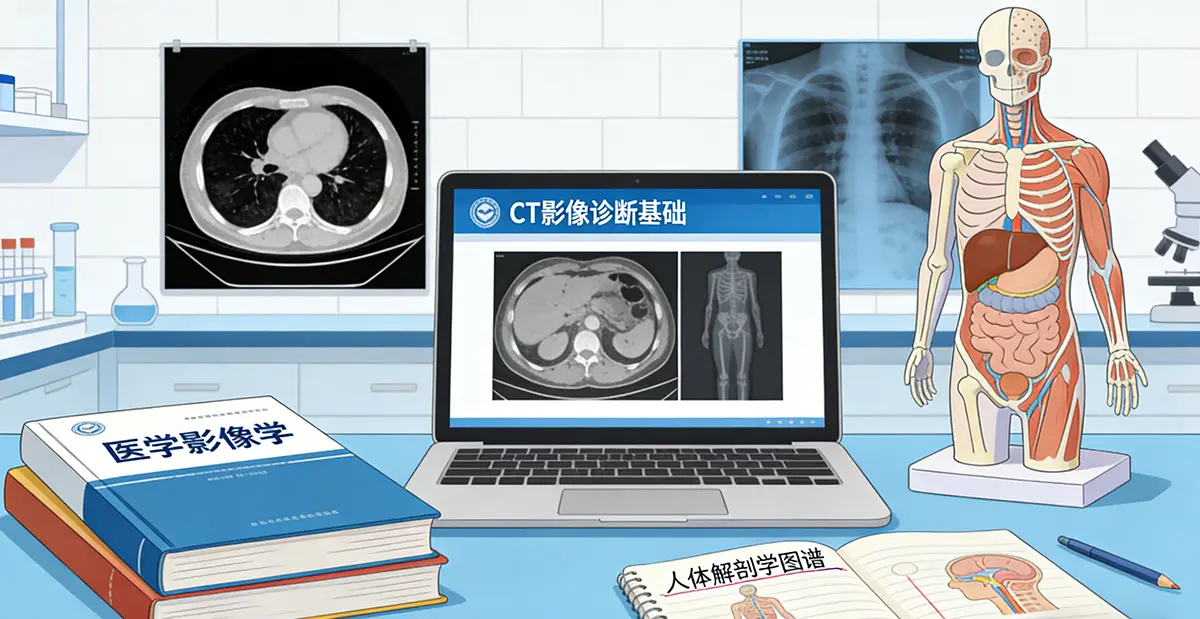
Radiology/Medical Imaging Department: Radiologist/Diagnostic Radiologist, responsible for acquiring X-ray, CT, MRI images and writing diagnostic reports.
Ultrasound Department: Ultrasound Physician/Technologist, responsible for performing ultrasound examinations and providing diagnoses.
Nuclear Medicine Department: Nuclear Medicine Physician, responsible for PET/CT, SPECT examinations and radionuclide therapy.
Interventional Radiology Department: Interventional Radiologist (typically requiring further specialized training), engaged in minimally invasive diagnostic and therapeutic procedures.
Radiation Oncology Department: Radiation Oncologist, responsible for developing radiation therapy plans for cancer treatment.
Independent Imaging Centers/Health Screening Centers:
Diagnostic Radiologist: Provides professional imaging diagnosis services.
Medical Equipment Companies:
Clinical Application Specialist/Trainer: Provides clinical application training and technical support for new equipment to hospitals.
Medical Affairs Specialist: Participates in product clinical validation and medical literature writing.
Research Institutes and Universities:
Researcher, Faculty Member (typically requires a PhD).
Public Health Institutions:
Imaging-related positions at institutions like the CDC (e.g., occupational disease diagnosis).
5. Employment Rate and Industry Trends for the Medical Imaging Major
Employment Rate Characteristics
“Strong Demand, Clear Entry Barriers”: Demand for diagnostic radiologists remains robust with the advancement of precision medicine and increased diagnostic volumes. However, employment requires passing the National Medical Licensing Examination and completing standardized residency training.
“Long Training Cycle, High Social Status”: A basic 5-year undergraduate degree plus 3 years of residency is mandatory. Career stability and high social respect are typically achieved upon becoming an Attending Physician.
Work Intensity and Pressure: Radiology departments in large hospitals handle heavy workloads with significant diagnostic responsibility, demanding a high sense of accountability.
Compensation: Salaries rank above average within hospitals, with potential performance bonuses in subspecialties like interventional radiology and nuclear medicine.
Industry Development Trends
Precision and Functional Imaging: Diagnostic imaging is evolving from traditional morphological analysis to functional, metabolic, and even molecular levels (e.g., multiparametric MRI, integrated PET/MRI).
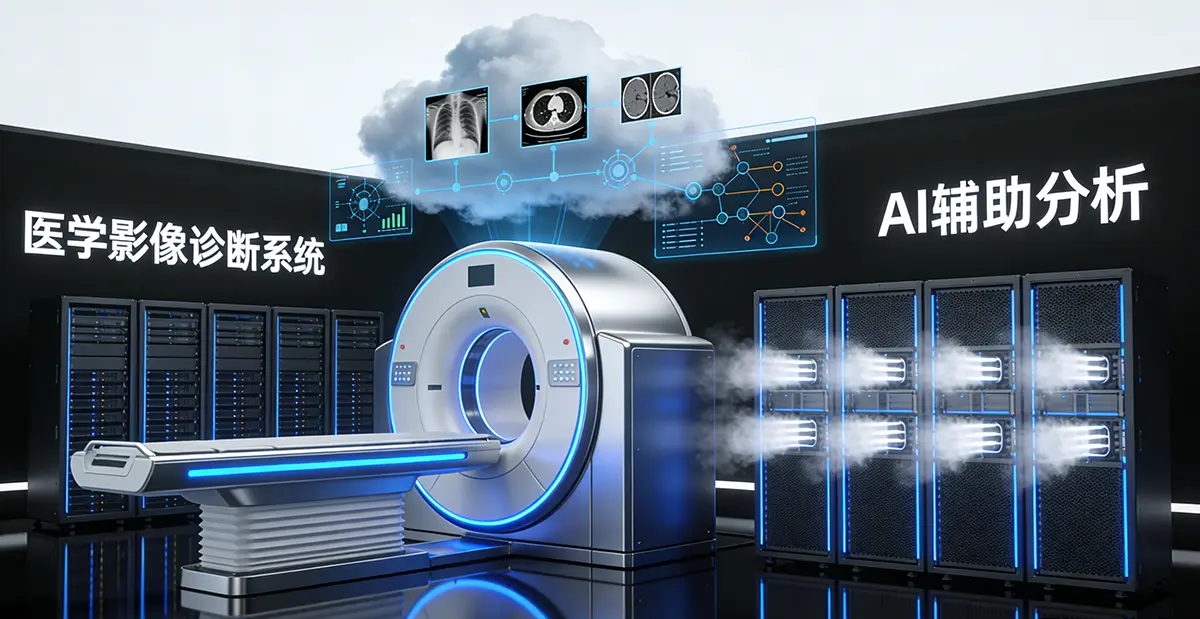
Deep Integration of AI into Workflows: AI is widely applied in automated lesion detection, segmentation, and quantitative analysis, serving as a “super assistant” to physicians without replacing their comprehensive diagnostic role.
Integration of Diagnosis and Treatment & Growth of Interventional Imaging: Image-guided minimally invasive therapies (e.g., interventional radiology, ultrasound-guided interventions) are rapidly developing, enabling “visualize and treat” capabilities.
Low-Dose and Personalized Scanning: Greater emphasis on radiation protection, utilizing technologies like AI reconstruction to achieve ultra-low-dose CT scans and personalized scanning protocols.
Radiomics and Prognostic Prediction: Extracting high-throughput features from massive imaging datasets to build predictive models for assessing tumor treatment efficacy and forecasting recurrence risk.
6. Major Global Institutions Offering the Medical Imaging Major
The Medical Imaging Major is primarily offered within medical schools, often as a specialization under clinical medicine or as an independent program.
| Country/Region | Representative Institutions (Leading Institutions in Medical Imaging/Radiology) |
| United States | Harvard Medical School, Johns Hopkins University School of Medicine, University of California, San Francisco (Strong in Radiology), Mayo Clinic Alix School of Medicine |
| United Kingdom | University of Oxford, University of Cambridge, Imperial College London |
| Canada | University of Toronto, McGill University |
| Germany | Heidelberg University, University of Munich |
| China | China Medical University (Traditionally Strong in Medical Imaging), Tianjin Medical University, Tongji Medical College of Huazhong University of Science and Technology, Sun Yat-sen University School of Medicine, West China School of Medicine, Sichuan University |
| Other | University of Sydney (Australia), The University of Tokyo (Japan) |
DisciplineMajor Recommendations
Ideal Candidates for the Medical Imaging Major:
Individuals with a strong sense of responsibility, meticulousness, and patience, capable of handling significant diagnostic accountability.
Those with good spatial imagination, logical reasoning, and observational skills, adept at identifying abnormalities in image details.
Individuals with a deep interest in human anatomy and disease, willing to undergo long-term, rigorous medical training.
Candidates with strong communication skills, able to interact effectively with clinicians and patients.
Core Competencies of the Medical Imaging Discipline:
A solid foundation in clinical medicine and anatomical pathology.
Proficiency in understanding imaging equipment principles and image interpretation (film reading) skills.
Professional ethics adhering to diagnostic protocols and radiation safety principles.
A continuous learning ability to master new technologies (e.g., AI tools) and keep pace with disciplinary advancements.
Study Recommendations for the Medical Imaging Major:
Solidify Clinical Foundations: Imaging diagnosis is inseparable from clinical knowledge; courses in internal medicine, surgery, obstetrics/gynecology, pediatrics, etc., must be mastered.
Extensive Practice in Image Interpretation: This is the essential path to developing diagnostic skills; begin early and accumulate experience consistently.
Engage with and Learn About AI Applications in Imaging: Treat it as an indispensable tool while understanding its principles and limitations.
Plan Your Professional Pathway Clearly: Understand the processes and requirements for medical licensing exams, residency training, and specialty training.
Cultivate a Research Mindset: Participate in clinical research to enhance problem-solving skills for complex cases and foster academic innovation.
Note: Some institutions may categorize this Major under different academic disciplines. Please refer to the specific classification used by your chosen institution.
- The Previous Passage:Medical Technology(Med. Technol.)_医学技术
- The Next Passage:Oncology(Oncol.)_肿瘤学
Human Geography Major_Geography(Geog.)_人文地理
The Human Geography Major explores the complex relationships between human activities and space, cul···
Atmospheric Sciences(Atmos. Sci.)_大气科学
Atmospheric science is the study of phenomena and evolutionary patterns within Earth's atmospher···
Earth Sciences(Earth Sci.)_地球科学
The Earth Science major focuses on studying the Earth system and its interactions, providing a scien···
Ocean Sciences(Ocean Sci.)_海洋科学
PbootCMS是全新内核且永久开源免费的PHP企业网站开发建设管理系统,是一套高效、简洁、 强悍的可免费商用的···

