

Oncology(Oncol.)_肿瘤学
Time:2026-06-18 Visits:2
Oncology Major
Oncology Major is a medical specialty that integrates clinical and basic research, focusing on the etiology, pathogenesis, prevention, diagnosis, treatment, rehabilitation, and palliative care of tumors (cancer). If basic medicine explores the “why” of diseases and clinical medicine addresses the ‘how’ for patients, then oncology stands at the forefront of conquering the “king of all diseases”—cancer.
Major Overview: The Frontline in Conquering the “King of All Diseases”
Oncology is a highly interdisciplinary field that deeply integrates basic research (such as molecular biology and genomics) with clinical practice (including chemotherapy, radiation therapy, targeted therapy, and immunotherapy). Oncologists and scientists collaborate to understand cancer's complexity and translate these insights into more effective, precise, and humane treatment approaches.
Its core mission encompasses:
- Unraveling the mysteries: Exploring the molecular mechanisms of how normal cells become cancerous, and how cancer grows, invades, and metastasizes.
- Prevention and early screening: Identifying carcinogenic factors and developing biomarkers and screening technologies for early diagnosis.
- Precision treatment: Tailoring comprehensive treatment plans based on a patient's tumor genetic profile, immune status, and other factors.
- Comprehensive Care: Extending beyond treatment to encompass patient rehabilitation, quality of life, psychological support, and end-of-life care.
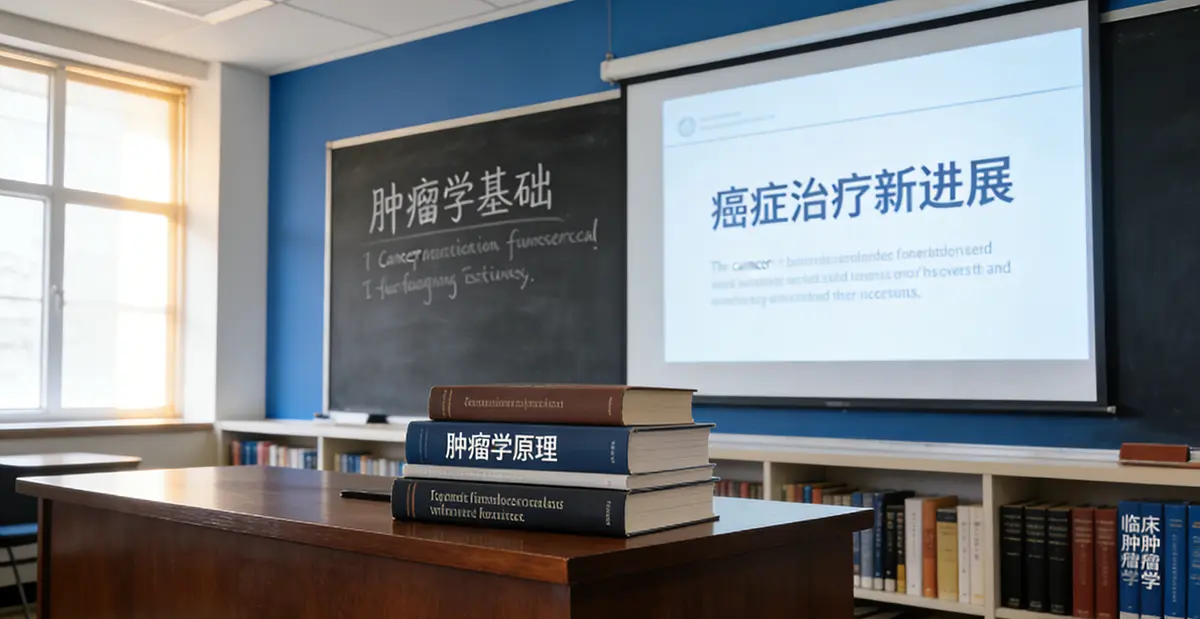
Core Courses at International Institutions
Oncology studies typically follow undergraduate degrees in medicine or life sciences. Master's and doctoral programs emphasize translational medicine—bridging laboratory research to clinical practice—while balancing cutting-edge science with clinical application. The following curriculum integrates offerings from multiple top universities:
| Program Level | Core Course Examples | Learning Objectives |
| Foundations of Oncology | Cancer characteristics, cancer genetics and genomics, tumor microenvironment, cancer models | Deep understanding of core biological mechanisms in cancer initiation and progression. |
| Therapeutics Core | Cancer therapeutics, precision medicine, immunotherapy, radiation oncology fundamentals | Systematic study of principles and applications of various treatment modalities (chemotherapy, targeted therapy, immunotherapy, radiation therapy). |
| Cutting-Edge Technologies | Multi-omics and cancer evolution, bioinformatics, advanced imaging and bioengineering | Master high-throughput data analysis and advanced technologies essential for modern cancer research. |
| Clinical Research Methods | Cancer Clinical Trial Design & Implementation, Ethics & Regulations, Behavioral Science & Cancer Prevention | Develop capabilities for conducting clinical research while understanding the psychosocial and prevention dimensions of cancer. |
| Professional Skills | Cancer Research Skills (Literature Critique, Scientific Communication), Research Thesis/Graduation Project | Cultivate critical thinking, research design, and academic communication abilities through independent research. |
Advanced Study Directions in Oncology Major
Advanced oncology training follows highly structured pathways, typically integrated with clinical specialty training or basic/translational research.
- Clinical Oncology: For physicians holding medical degrees (e.g., MBBS, MD). After completing residency training in internal medicine or radiology, candidates enter oncology specialty programs—further specializing in medical oncology, radiation oncology, or surgical oncology—to become independently practicing clinical specialists.
- Medical Oncology: Focuses on chemotherapy, targeted therapy, immunotherapy, and endocrine therapy.
- Radiation Oncology: Specializes in treating tumors with radiation, involving radiation physics, radiobiology, and clinical radiotherapy planning.
- Surgical Oncology: Concentrates on surgical removal of tumors, including minimally invasive techniques and robotic surgery (e.g., Da Vinci).
- Oncology Research: For students with a background in life sciences or medicine, this track involves master's or doctoral studies focused on fundamental or translational research in cancer biology, cancer genetics, tumor immunology, drug development, bioinformatics, and related fields.
- Subspecialty Focus: Whether pursuing a clinical or research path, professionals can further concentrate on specific tumor types—such as breast cancer, lung cancer, gastrointestinal tumors, hematologic malignancies, gynecologic cancers, or pediatric tumors—to become leading experts in their chosen field.
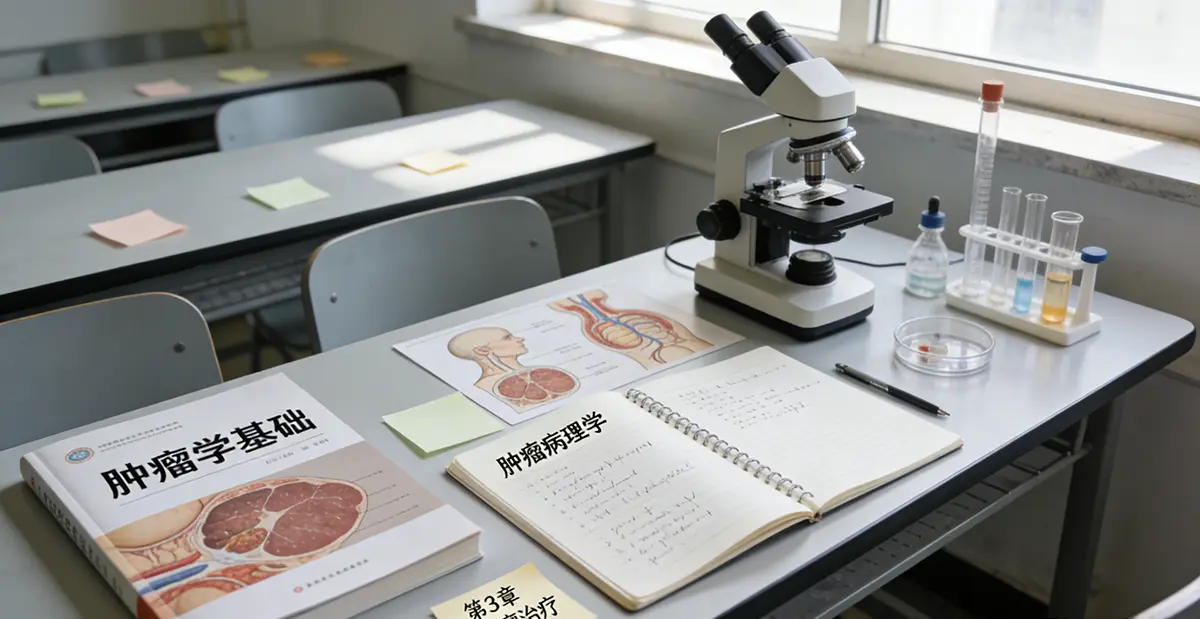
International Career Pathways and Positions
Oncology professionals serve as indispensable core personnel within healthcare systems and the biopharmaceutical industry, enjoying diverse and stable career opportunities.
| Industry Sector | Common Positions | Brief Job Responsibilities |
| Healthcare Institutions | Medical Oncologist, Radiation Oncologist, Surgical Oncologist, Palliative Care Physician | Responsible for outpatient and inpatient care, radiation therapy planning, and follow-up at hospital cancer centers or specialized hospitals. |
| Research & Academia | Postdoctoral Researcher, Professor, Research Fellow | Conducts basic or translational cancer research at universities, research institutes, or cancer centers to explore novel targets and mechanisms. |
| Biopharmaceutical Industry | Clinical Research Physician, Medical Science Liaison, Pharmacovigilance Physician, R&D Scientist | At pharmaceutical companies (e.g., Roche, Novartis, AstraZeneca) or biotechnology firms, participating in clinical trials and providing medical support for novel anticancer drugs. |
| Contract Research Organizations | Medical Advisor, Project Lead | At CRO companies, providing project management, medical monitoring, and other services for pharmaceutical companies' oncology clinical trials. |
| Public Health & Government | Cancer Registrars & Epidemiologists, Policy Advisors | At institutions like CDC and cancer control offices, responsible for tumor surveillance, prevention, control, and policy development. |
| Non-Profit Organizations & Foundations | Science Officers, Medical Advisors | At organizations like the World Cancer Research Fund and China Cancer Foundation, involved in research project management, public science communication, and patient support. |
Global Employment Rates and Trends
Employment Outlook: Despite challenges in uneven distribution of oncology talent worldwide, employment prospects remain highly favorable for systematically trained oncologists and high-level researchers.
- Global Workforce Crisis and Opportunities Coexist: On one hand, oncology personnel distribution remains highly imbalanced globally. High-income countries have one oncologist per 256 new cancer cases, while low-income countries face a ratio of 1:7,160—a stark disparity. On the other hand, with cancer incidence rates continuing to rise (projected to reach 33 million new cases annually by 2050), demand for specialized oncology professionals is growing worldwide. The American Society of Clinical Oncology (ASCO) has warned of a potential shortage exceeding 2,250 oncology and hematology physicians by 2025.
- Strong Regional Demand: Even in regions with abundant healthcare resources, demand remains robust. For instance, the Toronto area in Canada projects “favorable” employment prospects for clinical and laboratory medicine specialists (including oncologists) over the next three years (2025-2027).
Salary Levels: As a highly specialized medical field, oncology-related positions command mid-to-high-tier compensation. In the U.S., the median annual salary for oncologists typically exceeds $350,000. Within the biopharmaceutical industry, R&D and medical affairs professionals with oncology backgrounds also enjoy highly competitive salaries.
Industry Trends:
- Advancements in Precision Oncology: Next-generation sequencing (NGS)-based genomic profiling has become a standard diagnostic tool. Future oncologists must master interpreting complex genetic reports, identifying driver mutations, and matching them to targeted therapies.
- The Golden Age of Immunotherapy: Immunotherapies, exemplified by immune checkpoint inhibitors (such as PD-1/PD-L1 antibodies) and CAR-T cell therapies, are profoundly reshaping the treatment landscape for multiple cancers. Understanding the tumor immune microenvironment and overcoming immune resistance are current research and clinical focal points.
- Multi-omics and Cancer Evolution: Tracking cancer's evolutionary trajectory through multidimensional (genomic, transcriptomic, proteomic) and spatiotemporal dynamic analysis of tumors is key to developing new strategies to overcome resistance.
- Explosion in New Drug Development: Novel drug modalities like antibody-drug conjugates, bispecific antibodies, and PROTACs are emerging rapidly, providing clinicians with more therapeutic options while demanding enhanced learning and application capabilities.
- Multidisciplinary Collaboration as the Standard: Cancer diagnosis and treatment have long transcended the scope of any single discipline. Multidisciplinary teams—comprising surgeons, medical oncologists, radiation oncologists, pathologists, radiologists, and others—collaborate to develop optimal integrated treatment plans for patients, a hallmark of leading cancer centers.
- The Rise of Humanistic and Psychosocial Oncology: As the “patient-centered” philosophy gains traction, psychological support for patients and their families, symptom management, quality-of-life enhancement, and end-of-life care are becoming indispensable components of oncology practice.
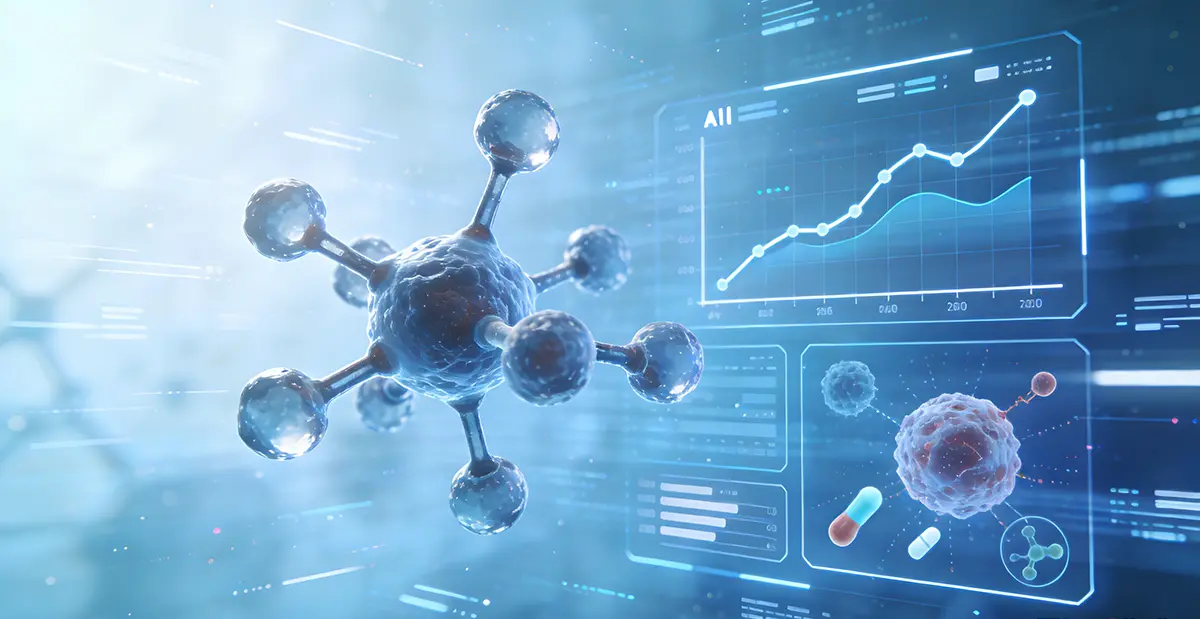
Who is suited for Oncology Major and its core competencies
If you possess the following qualities, you may find a sense of belonging and fulfillment in oncology:
- Dual scientific and clinical aptitude: You are fascinated by the complex mechanisms of cancer (such as gene mutations and immune evasion) while also eager to directly assist patients at their bedside, accompanying them through their journey against the disease.
- Exceptional logical reasoning and analytical skills: Diagnosing and treating cancer requires integrating multi-dimensional information—pathology, imaging, genetics—to make optimal decisions through a step-by-step process akin to solving a complex case.
- Strong resilience and emotional fortitude: Confronting critical illnesses and life-and-death situations demands inner strength while maintaining empathy to provide sustained medical support and compassionate care to patients and their families.
- Enthusiasm for embracing new technologies: Oncology is one of medicine's most dynamic fields for innovation. You must be eager to learn about new drugs and therapies while critically evaluating their clinical value.
- Exceptional teamwork: Whether in multidisciplinary team (MDT) discussions or clinical trials for novel drugs, close collaboration across specialties is essential.
Core Competency: Your core value lies in mastering the comprehensive management of complex cancers. This encompasses not only profound oncological knowledge and mastery of clinical or research skills, but also the ability to integrate breakthroughs in basic research with clinical practice. It means devising and executing precise, personalized, and compassionate treatment plans for each patient amidst uncertainty.
Leading Global Institutions
(Selected Schools - Listed in no particular order)
Oncology Major is typically offered as a distinct department or research center within top medical schools or major cancer centers. Global leaders include:
| Country/Region | Representative Institutions/Medical Centers |
| United States | MD Anderson Cancer Center, Memorial Sloan Kettering Cancer Center, Dana-Farber/Harvard Cancer Center, Johns Hopkins University, Stanford University |
| United Kingdom | University College London, Cancer Research UK, University of Oxford, University of Cambridge, Imperial College London, Queen Mary University of London Barts Cancer Institute |
| Continental Europe | Institut Gustave Roussy (France), European Institute of Oncology (Italy), Heidelberg University (Germany) |
| China | Cancer Hospital of the Chinese Academy of Medical Sciences, Fudan University Shanghai Cancer Center, Peking University Cancer Hospital, Cancer Center of Sun Yat-sen University |
Recommended Study Path for Oncology Major
1. Undergraduate Stage: Build a Strong Foundation and Define Your Direction
- Core: If you aspire to become a clinical oncologist, you must pursue a medical degree (MBBS/MD) and thoroughly master internal medicine, surgery, as well as fundamental pathology and pharmacology during this period.
- Core: For aspiring oncology researchers or laboratory scientists, pursue life sciences, biomedical sciences, or medical laboratory science programs with emphasis on cell biology, molecular biology, genetics, and biochemistry.
- Practical Experience: Gain early exposure through laboratory or hospital oncology rotations to understand research and clinical work firsthand, confirming your passion for the field. Participate in summer research programs or volunteer opportunities.
2. Post-Graduation Phase: Specialty Training and Advanced Studies
- Clinical Pathway: After completing medical degree, enter residency training in internal medicine or radiology. Upon completion, apply for and pass oncology fellowship training—a systematic subspecialty program lasting approximately 3 years, focusing on specific tumor types or treatment modalities. This includes clinical rotations and research training. Upon successful completion and certification, become a board-certified oncologist.
- Research/Laboratory Pathway: After completing a relevant undergraduate degree, pursue a master's or doctoral degree in fields such as cancer biology or tumor immunology. Master's programs (e.g., MSc Cancer) typically span 1-2 years, offering advanced coursework and foundational research training. Doctoral programs (PhD) require 3-5 years, focusing on in-depth investigation of a cutting-edge topic with the goal of making original scientific discoveries.
3. Career Development and Lifelong Learning Phase
- Positioning: After becoming an independent practicing oncologist or senior researcher, you must continue tracking cutting-edge advances in the field. You may become an authority in a subspecialty (e.g., lung cancer immunotherapy, breast cancer targeted therapy), lead multidisciplinary teams, or spearhead international multicenter clinical trials to drive updates to clinical practice guidelines.
- Future: Whether in clinical practice, research, or industry, maintaining a lifelong learning mindset is essential. Actively engage in domestic and international academic exchanges, translating cutting-edge scientific advances into improved patient care. Your role extends beyond clinician to include researcher, educator, and patient advocate.
Oncology is a path fraught with intellectual challenges and human warmth—a thorny road chosen by those who are captivated by the intricacies of life sciences, driven by profound compassion for patients, and willing to dedicate their lives to this calling.
- The Previous Passage:Medical Imaging(Med. Imaging)_医学影像学
- The Next Passage:没有了!
Human Geography Major_Geography(Geog.)_人文地理
The Human Geography Major explores the complex relationships between human activities and space, cul···

Atmospheric Sciences(Atmos. Sci.)_大气科学
Atmospheric science is the study of phenomena and evolutionary patterns within Earth's atmospher···

Earth Sciences(Earth Sci.)_地球科学
The Earth Science major focuses on studying the Earth system and its interactions, providing a scien···
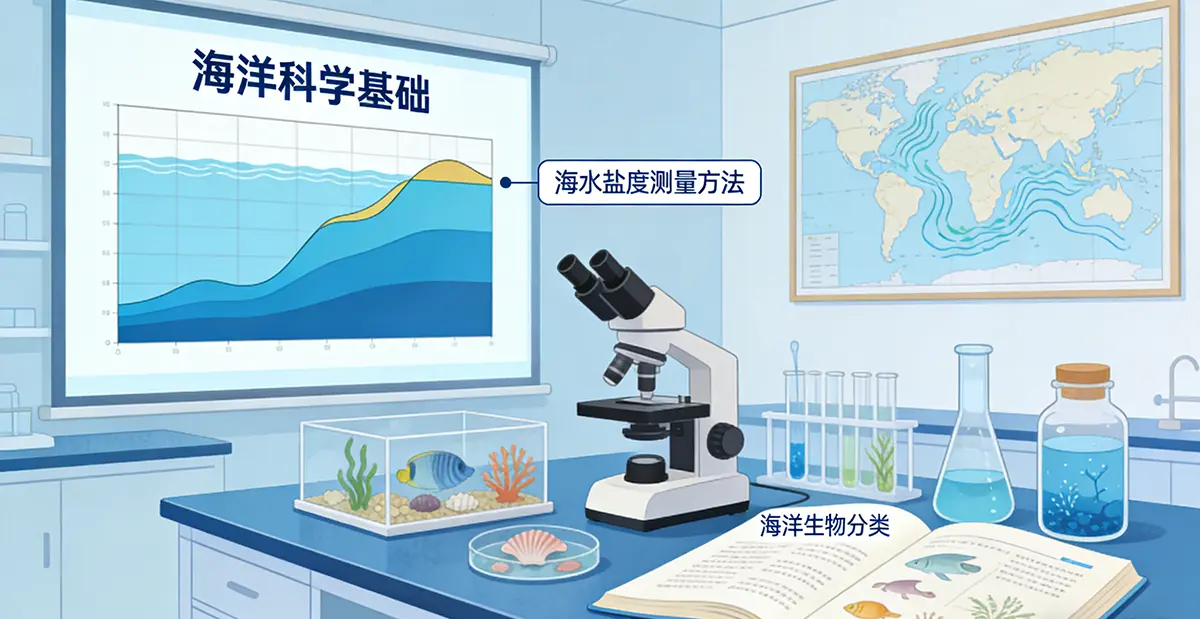
Ocean Sciences(Ocean Sci.)_海洋科学
PbootCMS是全新内核且永久开源免费的PHP企业网站开发建设管理系统,是一套高效、简洁、 强悍的可免费商用的···

