

Physics(Phys.)_物理学
Time:2026-06-20 Visits:2
Physics Major
Physics Major is the science that explores the fundamental laws of the universe and serves as the foundation of modern technology. In today's era of rapid advancements in AI, quantum technology, new materials, and other fields, the mindset cultivated by physicists is emerging as a core competitive advantage for solving complex problems.
Introduction to Physics Major
Physics Major is the science that studies the fundamental laws governing matter, energy, and their interactions. Its scope spans from the tiniest elementary particles to the vast cosmic galaxies. Physics not only explains natural phenomena but also provides the theoretical foundation for technological innovation, earning it the title of “the backbone of science.”
The Physics major typically awards a Bachelor of Science degree and spans four years. The undergraduate program focuses on cultivating students' solid mathematical and physical foundations, rigorous scientific thinking, experimental skills, and problem-solving abilities. If mathematics is the language of science, physics is the “universe manual” written in that language, seeking answers to fundamental questions like “What constitutes the world?” and “Why do they move this way?”
Modern physics research expands toward both macro and micro extremes: macroscopically, from Earth to cosmic bodies, forming astrophysics and cosmology; microscopically, delving into elementary particles and the quantum world, forming particle physics and quantum physics. Simultaneously, physics intersects deeply with materials science, information science, life sciences, and other fields, giving rise to numerous emerging disciplinary directions.
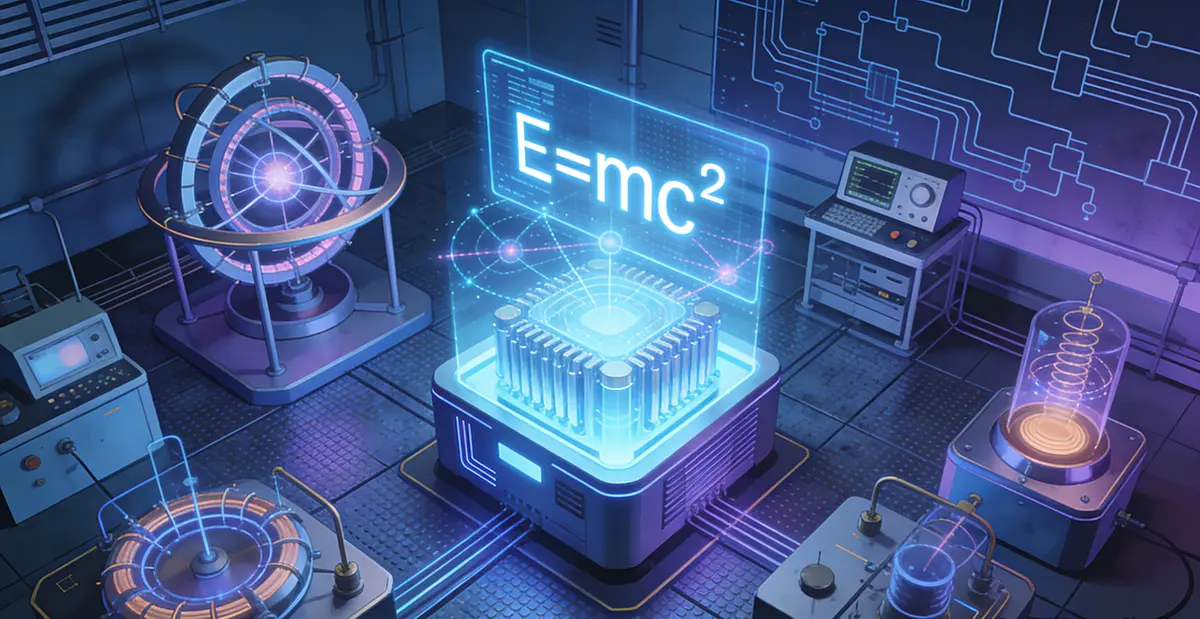
Core Courses in the Physics Major
The physics curriculum comprises a solid foundation in mathematics and physics, the core four mechanics disciplines, and extensive experimental practice.
Mathematical and Physical Foundations:
- Advanced Mathematics (replaced by Mathematical Analysis at some top universities), Linear Algebra (sometimes replaced by Advanced Algebra), Probability Theory and Mathematical Statistics
- Mathematical Methods in Physics, Differential Equations
Core Specialized Courses:
- General Physics: Mechanics, Thermodynamics, Electromagnetism, Optics, Atomic Physics
- Four Major Mechanics (Core of the Core): Theoretical Mechanics (Analytical Mechanics), Electrodynamics, Thermodynamics and Statistical Physics, Quantum Mechanics
- Advanced Courses: Solid-State Physics, Nuclear Physics, Particle Physics, General Relativity, etc.
Computational and Experimental Courses:
- Computational Physics, Electronic Circuits, Signal Processing
- General Physics Laboratory, Modern Physics Laboratory, Specialized Direction Laboratory
- Programming Languages (Python, MATLAB, etc.)
Advanced Study Pathways for Physics Major
Pursuing graduate studies after undergraduate completion is the mainstream choice, with physics majors typically enjoying high postgraduate admission rates. Research directions can be categorized into traditional fields and emerging interdisciplinary areas:
Theoretical Physics:
- Particle Physics and Nuclear Physics
- Quantum Field Theory
- String Theory
- Gravity and Cosmology
Condensed Matter Physics:
- Strongly Correlated Systems: Superconductivity, Magnetism, Topological States of Matter
- Soft Matter Physics: Polymers, Colloids, Biomacromolecules
- Materials Physics: Semiconductors, Nanomaterials, Two-Dimensional Materials
Optics and Photonics: Quantum Optics, Nonlinear Optics, Laser Physics, Optoelectronics, Ultrafast Optics
Atomic and Molecular Physics: Cold atom physics, quantum control, atomic clocks, quantum information
Astrophysics and Cosmology: Stellar physics, galaxy evolution, dark matter and dark energy, high-energy astrophysics
Computational Physics and Interdisciplinary Research:
- Computational Physics: First-principles calculations, molecular simulations, Monte Carlo methods
- Quantum Information: Quantum Computing, Quantum Communication, Quantum Precision Measurement
- Biophysics: Biomolecules, Neuroscience, Medical Physics
- AI in Physics: Machine Learning Applications in Physics, Physics-Inspired AI
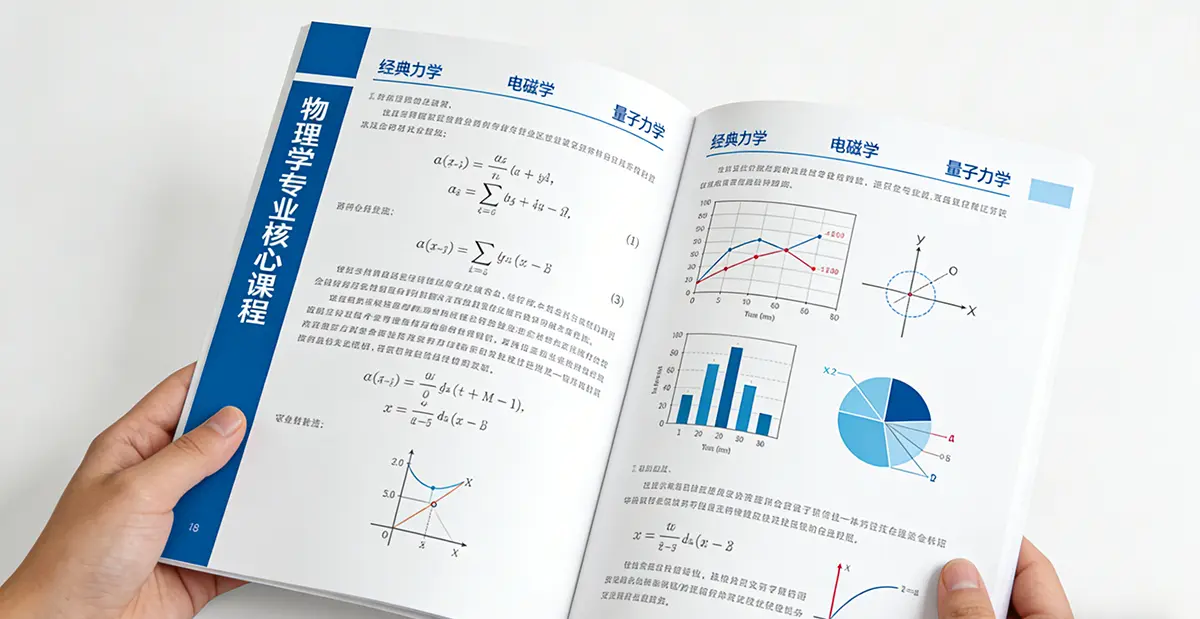
Career Paths and Positions for Physics Major
Physics graduates enjoy broad career prospects, earning the reputation of a “jack-of-all-trades” major. In 2025, physics ranked 7th among 51 science majors in employment, with market demand growing 17% compared to 2024. Salaries range from 4.5K to 50K, with 44.1% of positions offering 8K-15K/month.
Research & Educational Institutions (Primary Pathway for Advanced Studies)
- Positions: Researcher, University Professor, Postdoctoral Fellow, Laboratory Engineer
- Description: Pursue advanced studies or work at the Chinese Academy of Sciences system, China Academy of Engineering Physics, or major universities, primarily engaged in fundamental or applied research.
High-Tech Enterprises (Primary Destination)
- Chips/Semiconductors: Chip design, process manufacturing, lithography equipment R&D, semiconductor testing (hot direction in applied physics)
- Optoelectronics: Laser technology, fiber optics, optical design, display technology
- AI/Algorithms: Algorithm engineer, AI model development, data analyst (high demand in AI-physics cross-fields)
- Energy/New Materials: New energy materials R&D, photovoltaic technology, battery technology, nuclear energy development
- Aerospace/Defense: Aerospace engineering, satellite technology, remote sensing, defense technology
Medical/Biotechnology
- Positions: Medical Physicist (Radiation Therapy), Medical Device R&D (MRI, CT, Ultrasound), Biotechnology R&D
- Notes: Nuclear physics graduates may pursue radiation therapy or nuclear medicine imaging; acoustics graduates may work in ultrasound diagnostics or therapy
Finance/Consulting
- Positions: Quantitative Analyst, Financial Risk Manager, Data Analyst
- Notes: Physics graduates' modeling skills and mathematical foundation are highly valued in finance
Education Sector
- Positions: Secondary School Physics Teacher, Educational Training Instructor, Science Communicator
- Notes: Teaching physics and nurturing the next generation offers a stable and respected career path
Government/Public Institutions
- Positions: Civil Servant or Researcher in Quality Supervision, Metrology Testing, Environmental Protection, Nuclear Safety Regulation, etc.
Employment Rate and Industry Trends for Physics Major
Employment Rate Data: Physics majors enjoy favorable employment prospects. Over the past five years, undergraduate graduates from the School of Physics at Northwest University have pursued diverse paths, including further studies, with broad career opportunities. In 2025, physics-related job openings reached 259,366 positions, accounting for 0.996% of all national vacancies. By educational level, undergraduate demand remains highest (138,202 positions in 2025), though master's (4.859% of master's demand) and doctoral (1.821% of doctoral demand) degrees hold greater advantages in high-end roles.
Industry Development Trends:
1. Deep Integration of “AI+”: AI and automation are reshaping physics careers, with 45% of physics-related roles incorporating automation technology over the past five years. Employers increasingly value skills in machine learning, programming, and AI integration. Emerging positions like data scientists, quantum computing researchers, and AI-driven materials scientists will proliferate.
2. Quantum Technology Era: Quantum computing, quantum communication, and quantum precision measurement represent frontier fields where nations compete intensely, driving robust demand for quantum physics talent.
3. Semiconductor/Chip Domestication: National initiatives vigorously promote semiconductor industry development, sustaining high demand for applied physics talent in chip design, process manufacturing, and lithography equipment R&D.
4. New Energy/Dual Carbon Strategy: Rapid growth in nuclear power, photovoltaics, wind power, and new energy vehicles fuels robust demand for nuclear physicists, materials physicists, and energy physicists.
5. Medical Physics/Biotechnology Rise: Precision medicine and domestic production of high-end medical equipment drive strong demand for medical physicists and biophysicists.
6. Physics Education Transformation: Over 60% of U.S. physics departments are revising curricula to integrate AI, data science, and programming. Chinese universities are also strengthening interdisciplinary training to adapt to industrial shifts.
Ideal Candidates for Physics Major
If you possess these traits, this major may be an excellent fit:
1. Intense Curiosity About the World: You love asking “why,” are fascinated by natural phenomena, and seek to explore the mysteries of the universe.
2. Strong mathematical foundation: College physics relies heavily on mathematical tools. A solid math background deepens your understanding of physics. A minimum score of 120 on the Gaokao math section (out of 150) is recommended.
3. Strong logical thinking: You excel at breaking down complex problems, abstracting patterns from phenomena, and solving challenging puzzles.
4. Hands-on aptitude: You enjoy conducting experiments, designing apparatus, and debugging instruments.
5. Patience and perseverance: Solving physics problems often requires prolonged contemplation and repeated experimental verification.
6. Comfort with abstract concepts: Open to abstract theories like quantum mechanics and relativity that challenge everyday intuition.
7. Passion for cutting-edge technology: Enthusiasm for frontier fields such as microchips, quantum computing, AI, and aerospace.
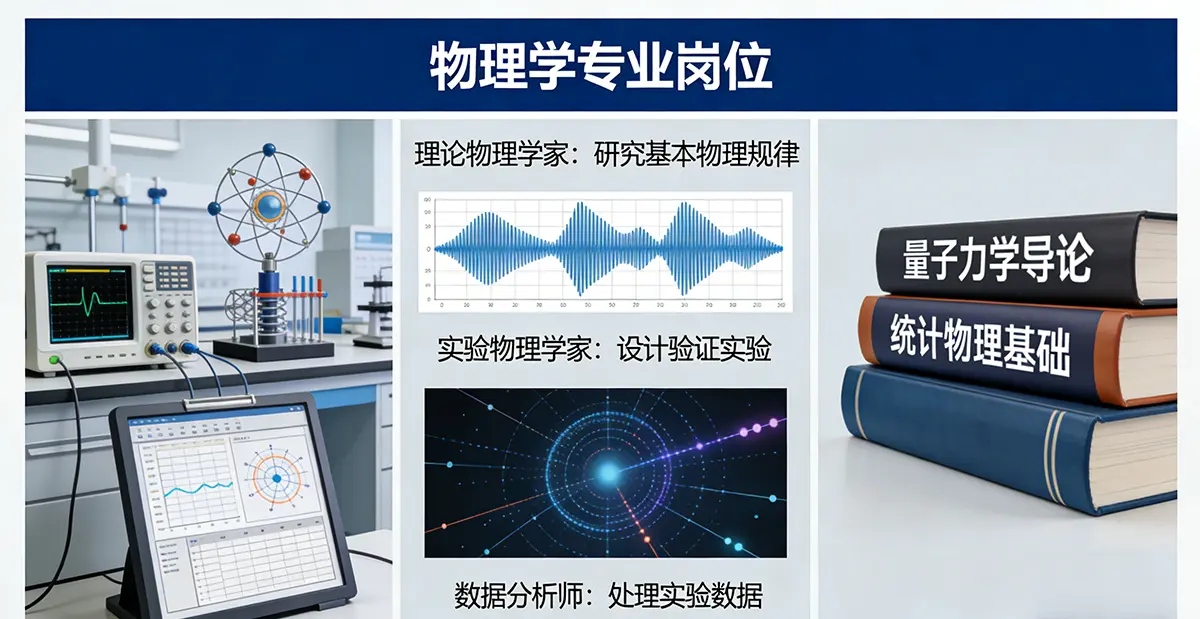
Core Competencies of Physics Major
The core strength of physics lies not in memorizing formulas, but in cultivating a robust scientific methodology:
Mathematical Modeling Skills: The ability to abstract complex real-world problems into mathematical models is central to physics training. From chip design to financial risk management, modeling proficiency remains a core competitive advantage.
Systemic Analytical Thinking: The ability to systematically analyze complex systems' behavior from fundamental laws, understanding connections across different levels. This mindset is invaluable in AI, finance, engineering, and beyond.
Experimental Design & Data Analysis: Mastering scientific experimentation to design hypothesis-testing experiments and process/analyze experimental data. In the AI era, this skill deeply integrates with data science.
Interdisciplinary Transfer Ability: Physics cultivates “meta-skills” that enable seamless transition into electronics, communications, materials science, finance, biology, and beyond. Many applied engineering disciplines originate from physics advancements.
Creative Problem-Solving: Facing unprecedented challenges, one can devise innovative solutions rather than merely applying existing formulas. This represents a core competency AI struggles to replicate.
Mastery of physical intuition: Rigorous physics training cultivates an intuitive grasp of physical processes, enabling rapid assessment of result validity and identification of problem-solving focal points.
Leading Institutions Worldwide
Physics maintains robust research capabilities across the world's top universities. According to the 2026 Times Higher Education World University Subject Rankings (Physical Sciences), the following institutions lead in this field(Selected Institutions - No particular ranking):
1. China
Tsinghua University, Peking University, Fudan University, Shanghai Jiao Tong University, University of Science and Technology of China, Zhejiang University, Nanjing University
2. United Kingdom
University of Cambridge, Imperial College London, University of Oxford
3. Singapore
National University of Singapore
4. Switzerland
ETH Zurich, EPFL
5. Japan
The University of Tokyo
6. United States
California Institute of Technology, Harvard University, Stanford University, Massachusetts Institute of Technology, Princeton University, University of California, Berkeley, University of Chicago, Yale University, Cornell University, Columbia University
7. Canada
University of Toronto
Other Notable Physics Institutions (Ranked 51-200): Université Paris-Saclay (France), Ludwig Maximilian University of Munich (Germany), Heidelberg University (Germany), University of Melbourne (Australia), The University of Hong Kong (Hong Kong, China), National Taiwan University (Taiwan, China), Seoul National University (South Korea), etc.
Recommended Study Path for Physics Major
1. Build a Solid Foundation (Freshman & Sophomore Years): Focus on mathematics and general physics. Master advanced calculus (or mathematical analysis) and linear algebra—the language of physics. Understand the conceptual essence of general physics (mechanics, thermodynamics, electromagnetism, optics) beyond merely applying formulas. Simultaneously, become proficient in Python programming from freshman year to lay the groundwork for computational physics and data analysis. Engage in hands-on experiments to develop practical skills.
2. Conquer Core Peaks (Sophomore–Junior Years): Focus intensely on mastering the “Four Major Mechanics”—Theoretical Mechanics, Electrodynamics, Thermodynamics/Statistical Physics, and Quantum Mechanics. These form physics' core and present the greatest intellectual challenges. Balance theoretical derivations with physical intuition to grasp the meaning behind formulas. Simultaneously, take tool-based courses like Computational Physics and Electronic Circuits.
3. Focus and Deepen (Junior and Senior Years): Select a specialization based on your interests (e.g., condensed matter, optics, theoretical physics) and take advanced courses in that field (solid-state physics, quantum field theory, general relativity). Aim to join a faculty research group, participate in specific projects, and pursue paper publications or conference presentations. For students planning employment, consider minoring in engineering disciplines like electronics, computer science, or materials science to broaden your knowledge base.
4. Future Planning (Throughout):
Pursuing Research: Build a strong theoretical foundation, monitor summer programs at top universities and research institutions, and aim for direct admission or graduate school entrance exams. Graduate studies in physics remain the primary path.
Industry Focus: Select courses aligned with specific interests (e.g., semiconductors, optics, AI) and secure internships at relevant companies. Employment prospects are broad across all applied physics fields.
Embrace AI: Self-study machine learning and deep learning courses, master frameworks like TensorFlow and PyTorch, and integrate physics thinking with AI skills. Consider obtaining relevant certifications (e.g., Google Professional Machine Learning Engineer, IBM AI Engineering Certification).
Broaden Horizons: Attend academic lectures, read popular science and cutting-edge literature, and maintain passion and curiosity for physics.
- The Previous Passage:Astronomy(Astron.)_天文学
- The Next Passage:没有了!

Human Geography Major_Geography(Geog.)_人文地理
The Human Geography Major explores the complex relationships between human activities and space, cul···
Atmospheric Sciences(Atmos. Sci.)_大气科学
Atmospheric science is the study of phenomena and evolutionary patterns within Earth's atmospher···
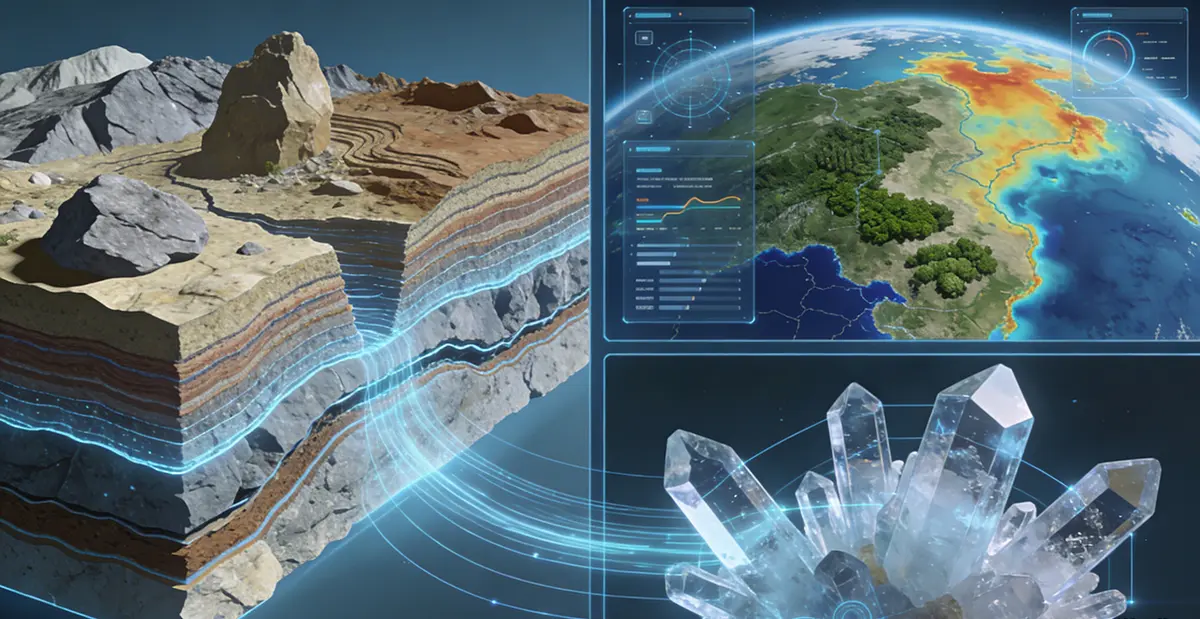
Earth Sciences(Earth Sci.)_地球科学
The Earth Science major focuses on studying the Earth system and its interactions, providing a scien···
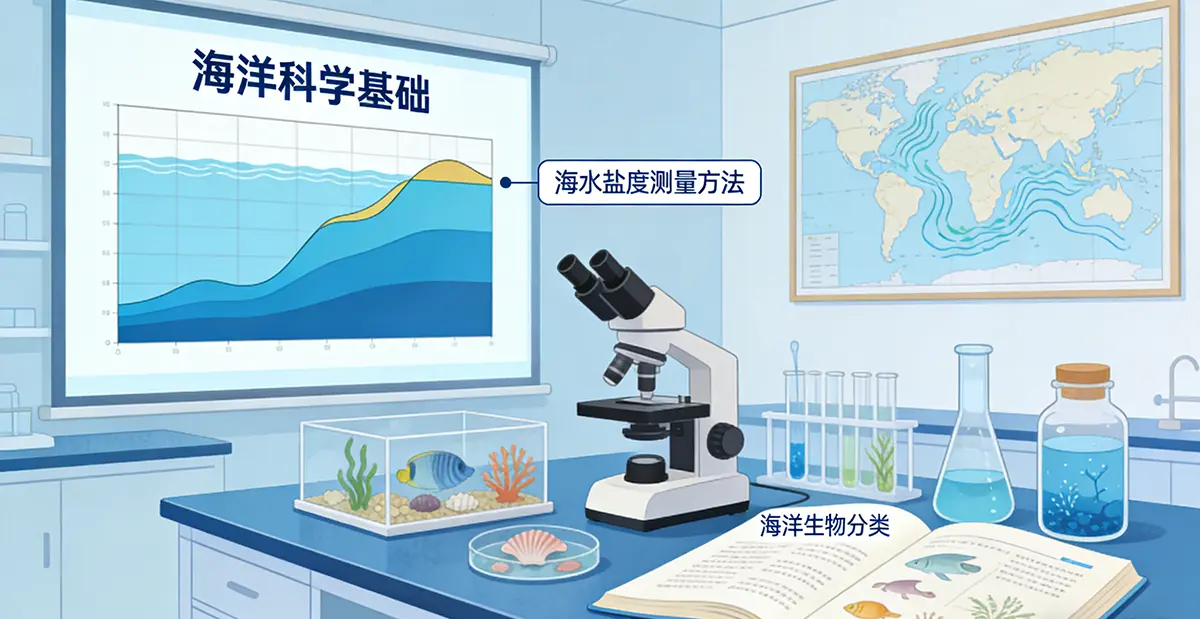
Ocean Sciences(Ocean Sci.)_海洋科学
PbootCMS是全新内核且永久开源免费的PHP企业网站开发建设管理系统,是一套高效、简洁、 强悍的可免费商用的···

