

Cell and Developmental Biology(Cell Dev. Biol.)_细胞和发育
Time:2026-04-09 Visits:1
Cell and Developmental Biology Major
The Cell and Developmental Major explores the fundamental processes of life. This overview details its core curriculum, advanced study options, and career paths in research, medicine, and biotechnology. Learn how this discipline drives innovation and discover leading global institutions offering programs in Cell and Developmental Biology.
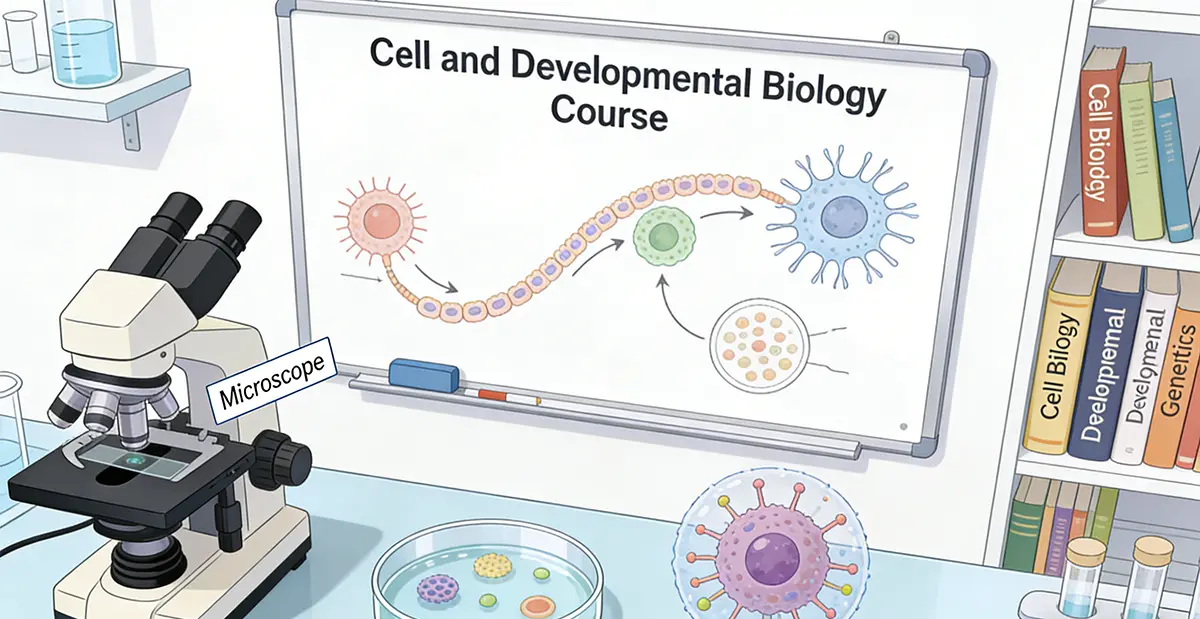
1. Introduction to the Cell and Developmental Biology Major
The Cell and Developmental Major represents a core frontier in life sciences, focusing on the fundamental principles governing how multicellular organisms grow, differentiate, and develop from a single fertilized egg into complex individuals. Integrating molecular, cellular, and genetic perspectives, this discipline explores essential life processes such as cell fate determination, morphogenesis, tissue regeneration, and aging. As a cornerstone for understanding life’s mysteries, the Cell and Developmental Major is pivotal for breakthroughs in regenerative medicine, cancer therapy, reproductive technologies, and agricultural breeding.
2. Core Curriculum of the Cell and Developmental Major
| Module Category | Core Courses |
| Foundational Medical and Biological Core | Human Anatomy (cardiovascular emphasis), Histology and Embryology, Physiology (focus on cardiovascular physiology), Biochemistry, Cell Biology, Molecular Biology |
| Cardiovascular Systems Specialization | Cardiovascular Pathophysiology, Vascular Biology, Cardiac Electrophysiology, Cardiovascular Pharmacology, Fundamentals of Cardiovascular Imaging, Cardiovascular Biomechanics |
| Research Methods and Techniques | Cardiovascular Experimental Techniques, Molecular Cardiovascular Pathology, Animal Disease Models (e.g., myocardial infarction, heart failure models), Isolated Heart Perfusion Techniques, Patch-Clamp Technology Fundamentals, Bioinformatics and Omics Analysis |
| Clinical and Translational Introduction | Introduction to Cardiology, Cardiovascular Epidemiology, Foundations of Interventional Cardiology, Applications of Regenerative Medicine in Cardiovascular Fields |
| Interdisciplinary and Supporting Disciplines | Biostatistics, Fundamentals of Biomedical Engineering (e.g., biomaterials, device principles), Fundamentals of Fluid Mechanics, Scientific Writing and Critical Thinking |
3. Advanced Study Pathways in the Cell and Developmental Major
PhD in Cell Biology/Developmental Biology: Engage in cutting-edge academic research, serving as a core pathway to university faculty positions or top research institutions.
Professional Master’s Programs:
Biomedical Sciences: Focus on developmental mechanisms in human disease models.
Stem Cell and Regenerative Medicine: Concentrate on clinical application potential.
Biotechnology and Biopharmaceuticals: Orient toward industrial applications.
Medicine/Dentistry (MD/DDS): A strong developmental biology background is fundamental for understanding embryonic developmental abnormalities, tissue regeneration, and tumorigenesis.
Interdisciplinary Fields: Bioinformatics, synthetic biology, bioengineering (e.g., organoid engineering).
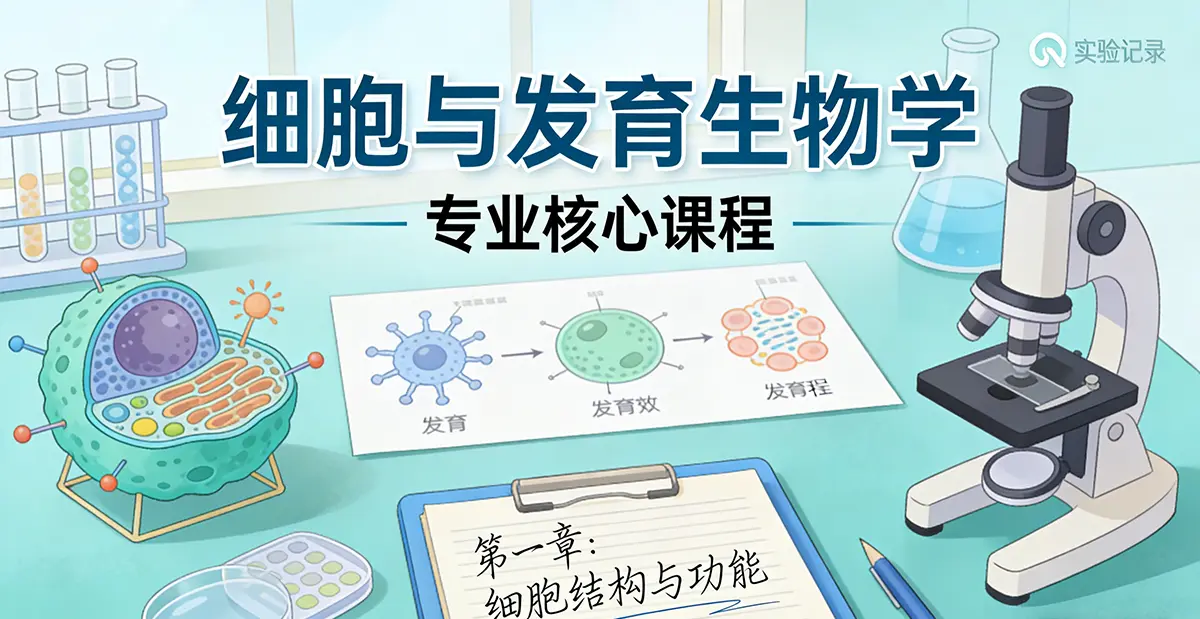
4. Career Paths and Positions in the Cell and Developmental Major
As a research-intensive discipline, high-level employment in the Cell and Developmental Major heavily relies on advanced degrees and cutting-edge research experience.
Research and Development (Core Path)
Academia and Research Institutions: University professors, principal investigators (PIs), postdoctoral fellows (PhD required), focusing on frontier research topics.
Biopharmaceutical/Biotechnology Companies:
Early R&D: Target discovery scientists, disease model researchers (using stem cells or gene editing to construct models).
Regenerative Medicine & Cell Therapy: Stem cell product development scientists, process development engineers.
Oncology Biology: Researchers studying cancer initiation and progression mechanisms.
Agricultural Biotechnology: Researchers in crop development and trait improvement.
Clinical and Translational Medicine
Hospital/Medical Center Research Departments: Clinical research center scientists conducting studies related to developmental abnormalities, reproductive medicine, or tissue engineering.
Assisted Reproductive and Genetic Diagnosis Institutions: Embryologists, genetic counselors (requires additional certification).
Scientific Support and Services
Biotech Companies/Instrumentation Companies: Technical application scientists, product specialists providing technical solutions for cutting-edge research.
Scientific Publishing and Information: Specialized journal editors, science writers.
Patent and Regulatory Affairs: Patent agents or regulatory affairs specialists focusing on cell and gene therapy.
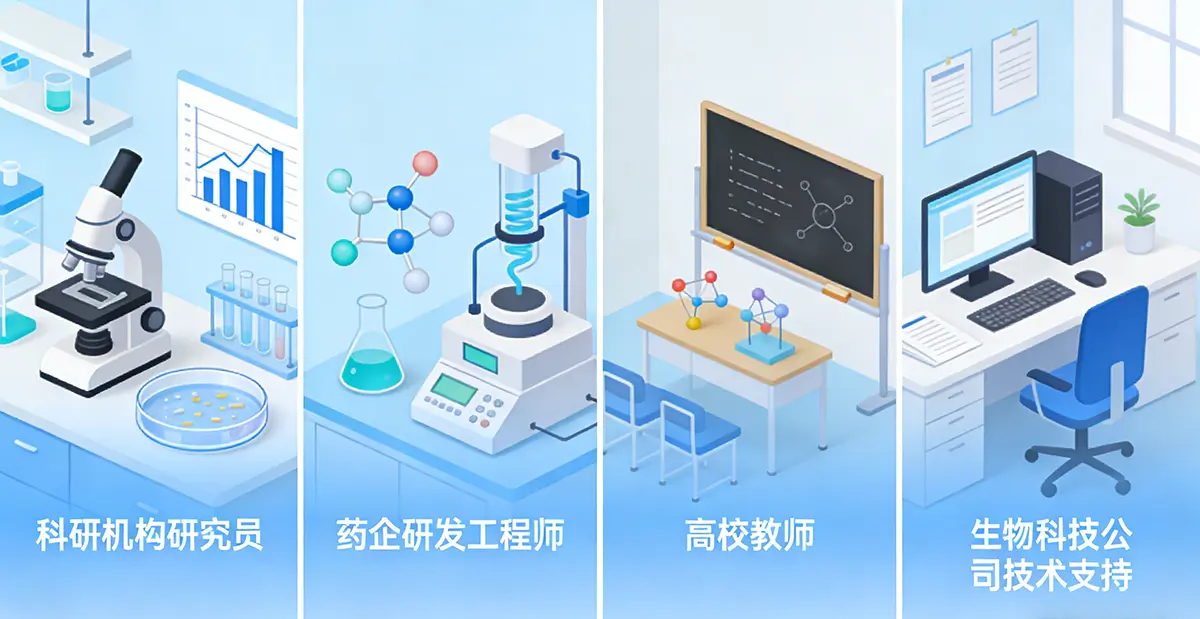
5. Employment Rate and Industry Trends for the Cell and Developmental Major
Employment Rate Characteristics
“Cutting-Edge Research Orientation”: Direct entry-level positions for undergraduates in the Cell and Developmental Major are extremely rare; over 90% of outstanding graduates pursue advanced degrees (master’s/doctoral).
High Competition and Long-Term Commitment: Academic research positions are highly competitive and require exceptional research achievements. High-end industrial R&D roles also favor candidates with top laboratory experience and doctoral degrees.
Strong Correlation Between Salary and Credentials: Starting salaries for PhD graduates entering industrial R&D are highly competitive, while academic careers generally offer more gradual salary growth.
Industry Development Trends
Industrialization of Cell Therapy and Regenerative Medicine: Accelerated translation of CAR-T, stem cell therapies, and tissue engineering from lab to clinic and market is generating numerous specialized roles from R&D to manufacturing.
Organoids and Complex Model Systems: Cultivating stem cell-derived “organoids” for disease modeling, drug screening, and personalized medicine represents a disruptive technological direction.
Deep Application of Gene Editing Technologies: CRISPR and related techniques are widely used not only in basic research but also for constructing disease models, developing gene therapies, and advancing agricultural breeding.
Breakthroughs in Aging and Degenerative Disease Research: Investigating the loss of tissue regeneration from developmental and stem cell perspectives is at the forefront of anti-aging research.
Revolution in Spatial Multi-omics and Single-cell Technologies: These tools enable unprecedented spatial and temporal resolution in analyzing developmental processes, driving paradigm shifts in the Cell and Developmental Major.
6. Leading Institutions Globally for the Cell and Developmental Major
(Some universities are shown - ranking is not in order)
| Country/Region | Representative Institutions (Global Leaders in Cardiovascular Research) |
| United States | Harvard Medical School (affiliated with Massachusetts General Hospital, Brigham and Women’s Hospital, etc.), Johns Hopkins University School of Medicine, Stanford University School of Medicine, University of California, San Francisco |
| United Kingdom | University of Oxford (Department of Cardiovascular Medicine), Imperial College London (National Heart and Lung Institute), University College London |
| Europe | Karolinska Institute (Sweden), Erasmus University Medical Center (Netherlands) |
| Canada | University of Toronto (Heart and Stroke Foundation of Canada Research Centre) |
| China | Fuwai Hospital (Chinese Academy of Medical Sciences), Zhongshan Hospital (Fudan University), Beijing Anzhen Hospital (Capital Medical University) (Typically offered as graduate programs in clinical or basic medical sciences) |
DisciplineMajor Recommendations
Ideal Candidates for the Cell and Developmental Major:
Individuals with a persistent curiosity about how life develops from a single cell into complex, intricate organisms.
Those demonstrating exceptional patience, rigorous logical thinking, and outstanding hands-on experimental skills.
Candidates capable of enduring the high failure rates and long-term uncertainties inherent in scientific research.
Aspiring contributors seeking to make original impacts at the forefront of life sciences.
Core Competencies of the Cell and Developmental Major:
Deep molecular and genetic understanding of cellular behavior and developmental programs.
Proficiency in cutting-edge experimental techniques, especially micromanipulation, gene editing, and model organism genetics.
Strong data analysis skills and the ability to formulate and solve scientific problems.
Interdisciplinary integration thinking, combining bioinformatics, imaging technologies, and engineering approaches.
Study Recommendations for the Cell and Developmental Major:
Pursue top-tier research training: Join leading laboratories early during undergraduate studies, participate in full research projects, and aim for co-authored publications.
Master the systematic operation and research paradigms of at least one model organism (e.g., Drosophila, zebrafish, mouse, Arabidopsis).
Become proficient in modern imaging and data analysis software, and acquire foundational programming skills (Python/R) for data processing.
Stay updated with the latest breakthroughs by following top journals and academic conferences.
Prepare mentally and physically for the long-term demands of an academic career or highly competitive industrial R&D, while maintaining flexibility in career planning.
Note: Some institutions may categorize this major under different disciplines. Please refer to the specific classification of your target institution.
- The Previous Passage:Veterinary Medicine(Vet. Med.)_兽医学
- The Next Passage:Engineering Seismology(Eng. Seismol.)_工程地震学

Human Geography Major_Geography(Geog.)_人文地理
The Human Geography Major explores the complex relationships between human activities and space, cul···

Atmospheric Sciences(Atmos. Sci.)_大气科学
Atmospheric science is the study of phenomena and evolutionary patterns within Earth's atmospher···

Earth Sciences(Earth Sci.)_地球科学
The Earth Science major focuses on studying the Earth system and its interactions, providing a scien···
Ocean Sciences(Ocean Sci.)_海洋科学
PbootCMS是全新内核且永久开源免费的PHP企业网站开发建设管理系统,是一套高效、简洁、 强悍的可免费商用的···

