

Veterinary Medicine(Vet. Med.)_兽医学
Time:2026-04-08 Visits:1
Veterinary Medicine
Veterinary medicine is a core discipline safeguarding animal health and ensuring public health and food safety. In 2026, an era defined by human-animal coexistence and the widespread adoption of the One Health concept, the field is undergoing a profound transformation—shifting from isolated clinical practice toward deep integration with public health, food safety, and biotechnology.
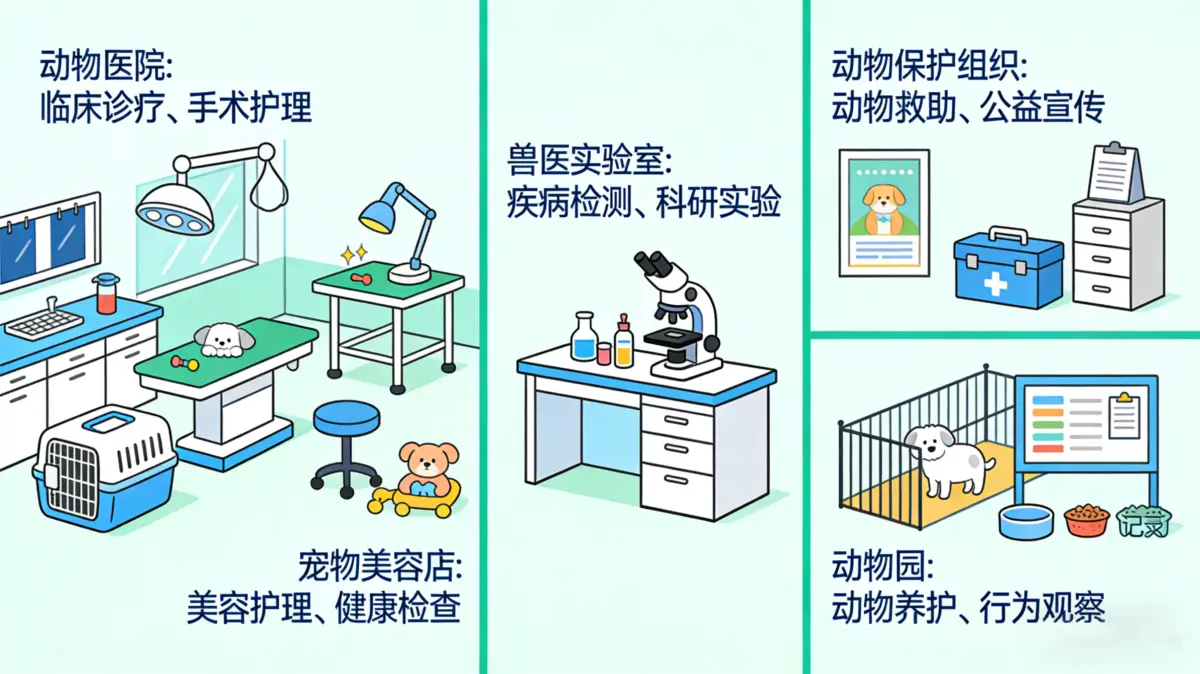
Introduction to Veterinary Medicine Major
Veterinary medicine is a comprehensive discipline that studies the patterns of animal disease occurrence and development, diagnostic and therapeutic techniques, preventive control measures, and safeguards for animal health and public health. Centered on foundational veterinary science (anatomy, physiology, pharmacology), preventive veterinary medicine (microbiology, immunology, epidemiology), and clinical veterinary medicine (internal medicine, surgery, obstetrics), it integrates knowledge from public health, food safety, comparative medicine, and other disciplines. The program cultivates professionals capable of diagnosing and treating animal diseases, preventing and controlling epidemics, regulating veterinary drugs, and monitoring food safety.
If modern human health is likened to a grand edifice, veterinarians serve as the guardians of its foundation— —not only treating sick pets, but also ensuring the safety of meat, eggs, and dairy at the source in farms, monitoring animal diseases that could spread to humans in laboratories, and intercepting foreign pathogens at national borders. The core mission of this discipline is “to safeguard every life with expertise and fortify public health defenses with science.”
Professional Characteristics from an International Perspective: Veterinary medicine is a highly globalized discipline with globally recognized professional qualifications. The BVMSci program at the University of Surrey holds five major accreditations: RCVS (UK), EAEVE (Europe), AVBC (Australia/New Zealand), SAVC (South Africa), and AVS (Singapore). Graduates can register to practice directly in these regions. The University of Liverpool's BVSc program is similarly internationally recognized and maintains exchange partnerships with multiple top veterinary colleges in Europe and America. This is a discipline characterized by high professional barriers, global practice opportunities, and stable societal demand.
Core Curriculum at International Institutions
Veterinary medicine programs at top international universities typically span five years, emphasizing a “spiral progression of theory and practice, early exposure to clinical skills, and coverage of all species” through systematic modular teaching.
Core Foundational Modules (Years 1-2):
| Course Category | Core Content | Example Institutions |
| Structure and Function | Anatomy, Histology, Physiology, Embryology (taught by system modules: cardiovascular, respiratory, nervous, digestive, etc.) | University of Surrey, University of Nottingham |
| Cellular and Molecular Foundations | Biochemistry, Genetics, Cell Biology, Pharmacology Basics | University of Surrey |
| Animal Production and Welfare | Animal Husbandry Management, Ethology, Welfare Assessment, Housing Environment | University of Nottingham |
| Professional Competencies | Professional Communication, Lifelong Learning, Stress Management, RCVS Professional Standards | University of Surrey, University of Nottingham |
Specialization Modules (Years 2-3):
| Course Category | Core Content | Example Institutions |
| Pathology and Infection | General Pathology, Systemic Pathology, Microbiology, Parasitology, Immunology | University of Nottingham, University of Liverpool |
| Clinical Pathology Diagnosis | Clinical Pathology, Hematology, Cytology, Imaging Fundamentals | University of Nottingham |
| Public Health and Epidemiology | Zoonoses, Veterinary Public Health, Food Safety, Epidemiology | University of Surrey, University of Liverpool |
| Research Skills | Research Methods, Evidence-Based Medicine, Literature Review, Research Project Design | University of Nottingham |
Clinical Theory and Practice Modules (Years 3-4):
| Course Category | Core Content | Example Institutions |
| Clinical Medicine | Internal Medicine, Surgery, Anesthesiology, Diagnostic Imaging, Therapeutics | University of Surrey |
| Species Specialties | Small Animal, Equine, Farm Animal, Exotic Pet, Wildlife Medicine | University of Nottingham |
| Diagnostic Techniques | Clinical Examination, Laboratory Diagnostics, Imaging Interpretation, Perioperative Management | University of Surrey |
| Ethics and Law | Veterinary Ethics, Animal Welfare Legislation, Practice Regulations, Professional Responsibility | University of Surrey |
Clinical Placement Modules (Years 4-5):
- On-campus rotations: Complete small animal, farm animal, and equine specialty rotations at affiliated teaching hospitals. The University of Liverpool provides clinical resources with over 10,000 small animal cases and 5,000 large animal cases.
- Off-campus placements: Complete clinical rotations at partner veterinary clinics through the University of Surrey's extensive network
- Elective placements: Optional exchange programs at partner institutions in Europe/America (e.g., University of Liverpool with Ghent University, University of Helsinki) or one-year exchange in China
- Graduation thesis: Complete a clinical research project or literature review
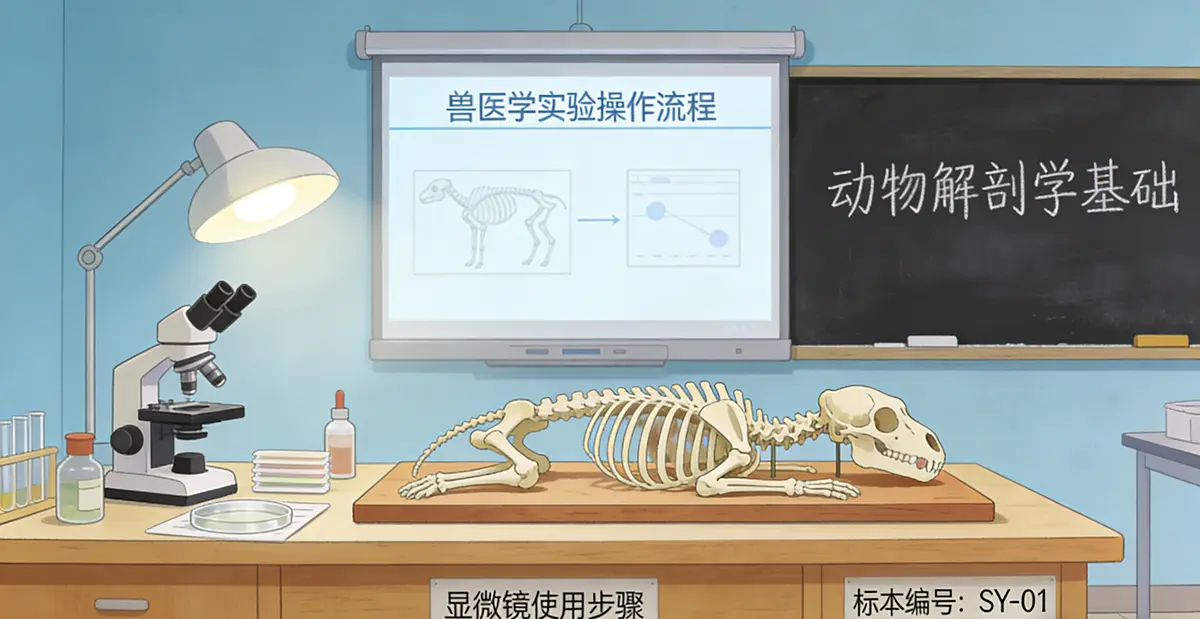
Advanced Academic Pathways for Veterinary Medicine Major
Master's and doctoral research specializations are highly specialized and cutting-edge, primarily covering the following fields:
Clinical Specialty Pathways (requiring completion of residency training):
- Small Animal Specialties: Internal Medicine, Surgery, Cardiology, Oncology, Neurology, Dermatology, Ophthalmology, Dentistry
- Large Animal Specialties: Bovine Medicine, Equine Medicine, Swine Medicine, Sheep Medicine
- Exotic and Wildlife: Zoo Medicine, Wildlife Conservation Medicine, Avian Medicine, Aquatic Animal Medicine
- Imaging and Anesthesia: Diagnostic Imaging (Ultrasound/CT/MRI), Anesthesia and Analgesia, Critical Care Medicine
Basic and Preventive Veterinary Medicine (Admission Track by China Veterinary Drug Supervisory Institute):
- Basic Veterinary Medicine: Veterinary Pharmacology and Toxicology, Veterinary Pathology, Animal Anatomy and Histology-Embryology
- Preventive Veterinary Medicine: Veterinary Microbiology and Immunology, Veterinary Infectious Diseases, Veterinary Parasitology, Zoonoses
- Veterinary Pharmacy: Veterinary Drug Development, Veterinary Drug Residue Testing, Veterinary Drug Evaluation, Antimicrobial Resistance Monitoring
Public Health and Food Safety:
- Veterinary Public Health: Zoonotic Disease Control, Food Safety from Animal Sources, Environment and Health
- Veterinary Drug Residue Monitoring: Veterinary Drug Pharmacokinetics, Residue Detection Techniques, Risk Assessment
- Animal Disease Epidemiology: Molecular Epidemiology, Spatial Epidemiology, Disease Modeling
Emerging Frontier Areas (Integrated):
- One Health: Human-Animal-Environment Interface Health Issues, Climate Change and Infectious Diseases, Antimicrobial Resistance
- Comparative Medicine and Translational Research: Spontaneous Animal Disease Models, Human Disease Mechanism Studies, Preclinical Evaluation of New Drugs
- AI and Digital Veterinary Medicine: AI-Assisted Imaging Interpretation, Telemedicine, Smart Wearable Device Data Analysis
- Pet Drug Development: Feline Infectious Peritonitis Vaccines, Pet Chronic Disease Management Drugs, Anticancer Drugs
International Career Pathways and Positions
Graduates in veterinary medicine are in high demand globally, with employment spanning clinical practice, government agencies, industry, international organizations, and more.
Core Employment Sectors:
| Sector | Typical Employers | Representative Positions |
| Clinical Practice | Animal hospitals, pet clinics, equine hospitals, farm veterinary services | Practicing veterinarians, specialty veterinarians, on-site veterinarians |
| Government Agencies | Veterinary bureaus, animal disease control centers, customs, drug regulatory authorities | Official veterinarians, quarantine officers, veterinary drug reviewers |
| Public Health | CDC, Food Safety Regulatory Agencies, Health Departments | Zoonotic Disease Prevention Experts, Food Safety Monitoring Officers |
| Research & Education | Veterinary Colleges, Research Institutes, National Key Laboratories | Researchers, Professors, Lab Directors |
| Animal Husbandry Enterprises | Large Farming Groups, Feed Companies, Animal Health Firms | Veterinary Directors, Technical Advisors, Quality Control Managers |
| Pharmaceutical & Biotechnology | Veterinary drug companies, biological product firms, CROs | Veterinary drug R&D specialists, vaccine engineers, clinical veterinarians |
| International Organizations | FAO, WHO, OIE, UN system | Animal health advisors, program officers |
| Animal Welfare & Charities | RSPCA, animal rescue organizations, wildlife conservation associations | Welfare assessors, rescue veterinarians, conservation medicine specialists |
Representative Global Positions (Based on Latest Industry Data):
1. Practicing Veterinarian (Companion Animals): Diagnoses diseases, performs surgeries, and provides preventive care in animal hospitals. Annual salary: CAD $190,000 in Ontario, Canada
2. Practicing Veterinarian (Farm Animals): Provides disease prevention, production management, and biosecurity guidance to livestock farms
3. Official Veterinarian: Conducts animal quarantine, slaughter inspections, disease eradication, and cross-border oversight in government agencies.
4. Veterinary Researcher: Engages in veterinary drug evaluation, antimicrobial resistance monitoring, and new drug development at institutions like the China Veterinary Drug Surveillance Institute.
5. Veterinary Drug Evaluator: Responsible for technical reviews of veterinary drug registrations, standard formulation, and risk assessments.
6. Pet Drug R&D Specialist: Participates in developing innovative veterinary drugs like feline infectious peritonitis vaccines, using AI to accelerate drug screening
7. On-site Veterinarian: Manages health and disease prevention for thousands of animals at large farming groups
8. Technical Officer at International Organizations: Provides cross-border animal disease control technical assistance at FAO or OIE
Salary Levels (International Reference):
- Canada: Practicing veterinarians can earn up to CAD$190,000 annually
- UK: 100% of University of Surrey graduates secure employment or further studies within 15 months of graduation
- Australia: University of Queensland veterinary medicine admission ATAR reaches 99.7, with graduates in high demand
- China: 300,000 practicing veterinarians needed in pet healthcare sector; competitive salaries for pet drug R&D positions
International Employment Rates and Industry Trends
Employment Data:
- University of Surrey, UK: 100% of veterinary graduates secured employment or further study within 15 months of graduation (2025 Graduate Outcomes Survey)
- University of Queensland, Australia: Veterinary medicine admission requirements are extremely high (ATAR 99.7), with graduates eligible to practice in Australia, New Zealand, the UK, South Africa, Singapore, and other countries
- China: National average admission scores for Animal Medicine surpassed Clinical Medicine in 2025, emerging as a new hot major
Industry Development Trends:
1. “One Health” concept gains global consensus: Human, animal, and environmental health are inextricably linked. Veterinarians play a pivotal role in addressing emerging infectious diseases (e.g., avian influenza, monkeypox), antimicrobial resistance, and health impacts of climate change.
2. Explosive growth in the pet economy: China's dog and cat population exceeds 120 million, with a shortage of 300,000 practicing veterinarians. Challenges like “difficult access to veterinary care and high medication costs” are driving talent development and pharmaceutical innovation.
3. Golden era for pet drug R&D: Long-standing import dominance in pet pharmaceuticals is being challenged by domestic innovations. Feline infectious peritonitis vaccines have entered clinical trials, while AI-assisted drug screening lowers R&D barriers. Huge demand exists for chronic disease management and nutritional support in pets.
4. AI and Digital Technologies Reshape Diagnostics: AI-assisted imaging interpretation, telemedicine consultations, and smart wearables (tracking collars, health monitoring bands) are entering the market, making pet ownership more convenient and diagnostics more precise.
5. Specialization in Veterinary Services: China Agricultural University has established 19 pet medical specialties. Small-to-medium hospitals can develop niche specialties like exotic pet care and traditional Chinese veterinary therapy.
6. Deepening Industry-Education Integration: Teaching animal hospitals serve as core talent development platforms. Students gain hands-on readiness through 6-month to 1-year rotational internships. Anhui University of Science and Technology collaborates with Ruipai Pet Hospital to offer micro-majors, jointly cultivating professionals.
7. International Recognition of Professional Qualifications: Veterinary degrees from countries like the UK and Australia are recognized globally, enabling graduates to register and practice directly in multiple regions worldwide.
8. Transition from “Disease Treatment” to “Lifetime Health Management”: The aging pet population drives demand for chronic disease management—including diabetes, hypertension, and cancer—making health maintenance and nutritional support emerging growth areas.
Ideal Candidates for Veterinary Medicine Major
If you possess the following qualities, you will have a competitive edge in the global marketplace:
1. Genuine love and empathy for animals: This is the core driving force of the veterinary profession. Whether companion animals or livestock, they require heartfelt care.
2. Strong scientific foundation: Mastery of foundational disciplines like anatomy, physiology, biochemistry, and pharmacology is essential, along with the ability to apply scientific principles to clinical practice.
3. Strong manual dexterity: Precision is required for surgical procedures, clinical examinations, and laboratory work.
4. Stress resilience and emotional management: Handling critically ill animals, euthanasia decisions, and distressed pet owners demands robust psychological fortitude.
5. Communication and empathy: Clearly explaining conditions, discussing treatment plans, and providing emotional support to owners—conveying complex information in accessible language.
6. Commitment to lifelong learning: Emerging diseases, technologies, and medications necessitate continuous knowledge updates.
7. Teamwork spirit: Veterinarians must collaborate closely with nurses, technicians, peers, and laboratory staff.
8. Ethical awareness and responsibility: This life-serving profession demands both technical expertise and compassion.
Core Competencies of Veterinary Medicine Major
The core strength of this field lies in its multi-tiered capabilities spanning “individual diagnosis and treatment,” “population disease control,” and “public health”:
Clinical Diagnosis and Treatment: Accurately diagnose diseases through history-taking, physical examination, laboratory testing, and imaging, then formulate and implement evidence-based treatment plans.
Surgical Skills: Mastery of routine and complex surgical procedures, including sterile techniques, anesthesia management, and postoperative monitoring.
Preventive Medicine and Population Health Management: Designing immunization protocols, deworming regimens, and biosecurity measures to prevent disease at its source.
Public Health and Food Safety Awareness: Understanding the importance of zoonotic disease control, veterinary drug residue monitoring, and animal-derived food safety.
Scientific Thinking and Evidence-Based Practice: Capable of reviewing literature, evaluating evidence, and translating research findings into clinical practice.
Communication and Empathy: Able to build trust with animal owners, explain complex medical information, and manage emotionally charged situations.
Professional Ethics and Accountability: Adheres to professional standards, upholds animal welfare responsibilities, and contributes to public health.
Leading Institutions Worldwide (Selected Schools - Listed in no particular order. Some universities are shown - ranking is not in order)
China
China Agricultural University: Offers 19 specialized programs in pet healthcare; teaching animal hospital sets industry standards
Huazhong Agricultural University: National “Double First-Class” initiative in veterinary medicine; strength in preventive veterinary science
Nanjing Agricultural University: Long-established veterinary program with comprehensive research platforms
South China Agricultural University: Strong veterinary faculty; teaching animal hospital即将 operational
Zhongkai University of Agriculture and Engineering: Veterinary medicine admission scores exceed clinical medicine, focusing on pet healthcare talent development
China Veterinary Drug Supervisory Institute: Directly under the Ministry of Agriculture and Rural Affairs; offers veterinary master's and doctoral programs, specializing in veterinary drug evaluation and antimicrobial resistance monitoring
United Kingdom
Royal Veterinary College: Consistently ranked world's top veterinary institution with rich history and robust research capabilities
University of Cambridge: Deep integration of veterinary and biomedical sciences.
University of Edinburgh: Royal (Dick) School of Veterinary Medicine, among Europe's elite.
University of Liverpool: BVSc holds five major international accreditations, operates 2 farms, 3 primary clinics, 2 referral hospitals, and maintains close collaboration with Chester Zoo.
University of Nottingham: Pioneered the integrated BVMedSci degree, saving one year of study, with an extensive clinical partner network.
University of Surrey: BVMSci holds five major international accreditations, boasts 100% graduate employment, and houses one of Europe's most advanced pathology centers
University of Bristol: Veterinary faculty features cutting-edge facilities and abundant clinical resources
New Zealand
Massey University: Southern Hemisphere's premier veterinary school serving Oceania's livestock industry
Sweden
Swedish University of Agricultural Sciences: Nordic veterinary hub with leading wildlife health research
United States
University of California, Davis: Globally top-ranked veterinary school with comprehensive specialties and extensive referral hospital network
Cornell University: Close collaboration between veterinary and medical schools, outstanding research capabilities
University of Pennsylvania: New Bolton Center specializes in equine and farm animals; top-tier small animal hospital
Colorado State University: College of Veterinary Medicine and Biomedical Sciences; renowned Animal Cancer Center
Canada
University of Guelph: Ontario Veterinary College, Canada's premier institution with extensive clinical teaching resources
Université de Montréal: French-language veterinary college
Netherlands
Utrecht University: Europe's top veterinary college, renowned for its small animal teaching hospital
Denmark
University of Copenhagen: Strong integration of veterinary medicine and animal science
Pakistan
University of Veterinary and Animal Sciences, Lahore
Ranked 601-800 in THE World University Rankings, a major veterinary institution in South Asia
Australia
University of Sydney:Long-established veterinary faculty with advanced teaching hospital facilities
University of Melbourne:Integrates veterinary medicine with agricultural sciences, excelling in research
University of Queensland:Entry threshold: ATAR 99.7. Graduates eligible to practice internationally. Features specialized facilities at the Gatton campus.
Ireland
University College Dublin:Veterinary School accredited by AVBC. Graduates eligible to practice in Australia and New Zealand.
Recommended Study Path for Veterinary Medicine Major
1. Build a Solid Foundation (Undergraduate Stage): Focus on core foundational veterinary science. Master animal anatomy, animal physiology, veterinary pharmacology, veterinary pathology, and veterinary microbiology and immunology. Simultaneously, develop proficiency in basic clinical skills (physical examination, injection techniques, sample collection). Gain early exposure to animal hospital internships to cultivate clinical reasoning.
2. Build Professional Framework (Mid-to-Late Undergraduate): Deepen knowledge in core courses including Veterinary Internal Medicine, Surgery, Obstetrics, Infectious Diseases, Parasitology, and Public Health. Actively participate in clinical rotations and case discussions, aiming to rotate through diverse departments to accumulate varied experience.
3. Focus and Specialize (Master's/Specialty Training Stage): Select a specialty based on interests, such as small animal internal medicine, surgery, imaging, preventive veterinary medicine, or veterinary drug development. For master's theses, prioritize topics closely linked to clinical practice or cutting-edge research.
4. Future Planning and Internationalization (Throughout the Program):
- Language and Perspective: Obtain IELTS or TOEFL scores (UK institutions typically require IELTS 7.0+ with no band below 6.5). Veterinary medicine is a highly international field; fluent English is essential for overseas studies or roles in international organizations.
- Licensing Requirements: Research veterinary licensing exam requirements in target countries. Degrees accredited by bodies like the UK's RCVS, Australia's AVBC, or South Africa's SAVC may simplify registration processes.
- Clinical Experience: Maximize teaching animal hospitals and off-campus placements. The University of Queensland requires completed holiday placements, while the University of Liverpool offers 31 weeks of clinical rotations.
- Industry Trends: Read core veterinary journals (e.g., Journal of Veterinary Internal Medicine) and monitor advancements in pet healthcare, veterinary drug development, and zoonotic disease prevention.
- Expand international exposure: Pursue international exchanges, overseas internships, or international organization projects. The University of Liverpool maintains exchange programs with multiple top veterinary colleges in Europe and America.
- Interdisciplinary learning: Elect courses in AI applications, information science, etc., to cultivate T-shaped professionals.
- The Previous Passage:Laboratory Animal Science(Lab. Anim. Sci.)_实验动物学
- The Next Passage:Cell and Developmental Biology(Cell Dev. Biol.)_细胞和发育

Human Geography Major_Geography(Geog.)_人文地理
The Human Geography Major explores the complex relationships between human activities and space, cul···

Atmospheric Sciences(Atmos. Sci.)_大气科学
Atmospheric science is the study of phenomena and evolutionary patterns within Earth's atmospher···

Earth Sciences(Earth Sci.)_地球科学
The Earth Science major focuses on studying the Earth system and its interactions, providing a scien···

Ocean Sciences(Ocean Sci.)_海洋科学
PbootCMS是全新内核且永久开源免费的PHP企业网站开发建设管理系统,是一套高效、简洁、 强悍的可免费商用的···

