

Food Science and Engineering(Food Sci. Eng.)_食品科学与工程
Time:2026-05-18 Visits:1
Food Science and Engineering Major
Food Science and Engineering Major is a comprehensive applied discipline bridging the gap between “farm to fork.” It integrates fundamental sciences (chemistry, biology, physics) with engineering principles to study food processing, preservation, packaging, nutrition, safety, and new product development. This field is dedicated to providing global consumers with safe, nutritious, delicious, convenient, and sustainable food.
While bioengineering focuses on utilizing living organisms to produce high-value products, food science and engineering concentrates on transforming these products (and broader agricultural goods) into foods suitable for daily consumption, ensuring their quality and safety on store shelves.
Introduction to Food Science and Engineering Major: Guardians of Quality from Farm to Table
The core mission of food science and engineering is to uncover the physical, chemical, and biological changes occurring in food during processing and storage, then apply this knowledge through engineering methods to real-world production. It's not merely about making food; it's about harnessing science and engineering to tackle major global challenges like food security, nutrition, and reducing waste.
Its core missions include:
- Understanding: Studying the structure, function, and processing changes of food components (water, proteins, carbohydrates, fats, vitamins, etc.).
- Processing and Preservation: Designing and optimizing techniques like sterilization, freezing, drying, and fermentation to extend shelf life while preserving nutrients and flavor.
- Development and Innovation: Creating foods with novel tastes, functionalities, and forms based on consumer needs and market trends.
- Assurance and Regulation: Developing detection technologies and methods, establishing quality management systems to ensure food safety throughout the entire chain from raw materials to consumption.
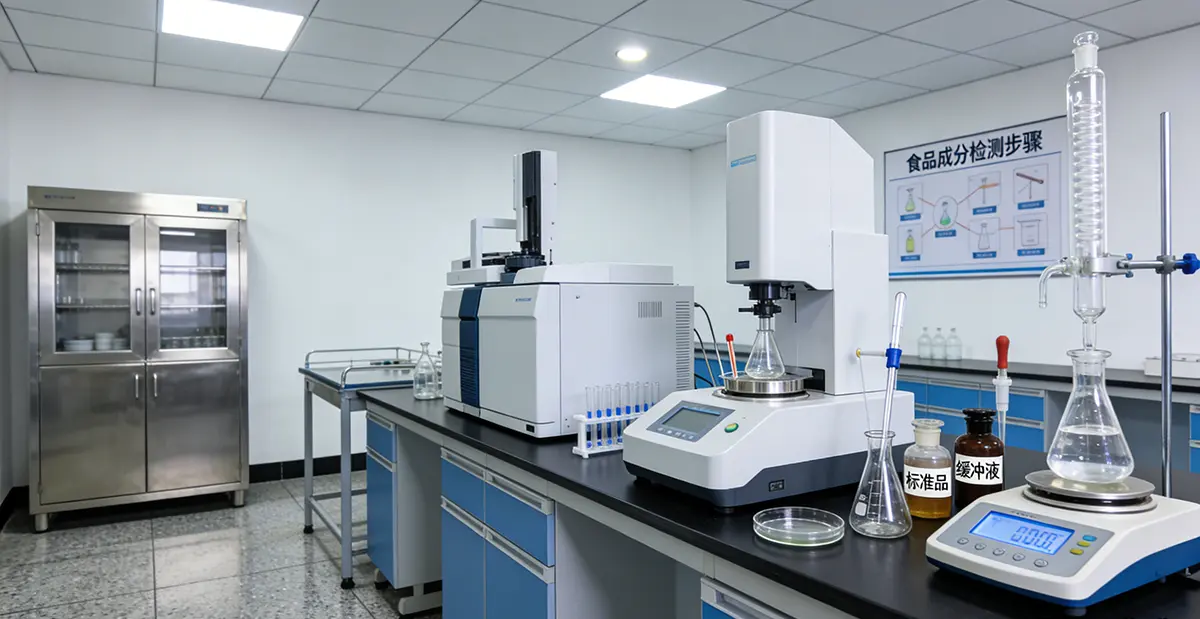
Core Courses at International Institutions
The curriculum for Food Science and Engineering emphasizes “theory-practice integration,” requiring both a solid theoretical foundation and practical experience gained in laboratories and pilot-scale facilities.
| Course Stage | Core Course Examples | Learning Objectives |
| Scientific Foundations | Organic Chemistry, Analytical Chemistry, Biochemistry, Microbiology, Physics, Physiology & Nutrition | Build a solid foundation in chemistry, biology, and nutrition to understand food composition and biological processes. |
| Core Food Science | Food Chemistry, Food Microbiology, Food Analysis, Food Nutrition, Food Sensory Science | Deepen understanding of food characteristics (color, aroma, taste, nutrition) and microbial activity within foods; master analytical testing methods. |
| Food Engineering Core | Food Engineering Principles, Food Processing and Preservation, Food Machinery and Equipment, Food Plant Design | Acquire engineering knowledge for scaling laboratory formulations to industrial production, including heat/mass transfer and unit operations. |
| Quality and Safety | Food Safety and Toxicology, Food Quality Control, Food Standards and Regulations, Risk Analysis | Master theories and practices for ensuring food safety and quality, understand domestic and international regulatory requirements. |
| Innovation and Practice | Food Product Development, Experimental Design and Data Analysis, Food Biotechnology, Food Logistics and Packaging | Cultivate innovative thinking and product development capabilities, learn to apply modern tools to solve real-world problems. |
Advanced Study Directions in Food Science and Engineering Major
At the master's or doctoral level in Food Science and Engineering Major, research directions are typically closely aligned with industrial development and human health needs:
- Food Chemistry and Nutrition: Investigates the separation, structural identification, functional evaluation, and interactions with human health of functional components in food (e.g., polyphenols, polysaccharides, bioactive peptides).
- Food Microbiology and Biotechnology: Utilizing beneficial microorganisms (e.g., probiotics, fermentation agents) or enzyme technologies to enhance food quality, develop novel foods (e.g., fermented meat products, functional fermented beverages), or investigate control strategies for spoilage and pathogenic bacteria.
- Food Processing and Engineering: Focuses on developing novel processing technologies (e.g., ultra-high pressure, pulsed electric fields, cold plasma), optimizing traditional processes, and designing intelligent, energy-efficient food manufacturing facilities.
- Food Safety and Quality Control: Develop rapid, highly sensitive detection technologies for food contaminants (pesticide/veterinary drug residues, mycotoxins, heavy metals), investigate formation mechanisms and control strategies for harmful byproducts during processing, and establish food safety risk assessment models and traceability systems.
- Product Development and Sensory Science: Utilizing sensory analysis, consumer science, and texturometers to study consumer preferences and develop market-driven innovations (e.g., plant-based meat alternatives, reduced-salt/sugar foods).
- Food Supply Chain & Logistics: Research cold chain logistics technologies, packaging systems, inventory management, and sustainability optimization for fresh food supply chains.

International Career Paths & Positions
The food industry is one of the largest sectors in global manufacturing, offering vast employment opportunities. Graduates are highly sought-after by multinational food corporations, government regulatory agencies, and research institutions.
| Industry Sector | Common Positions | Brief Responsibilities |
| Food Manufacturing Companies | R&D Engineer, Process Engineer, Production Supervisor, Quality Control/Quality Assurance Specialist, Procurement Specialist | At companies like Nestlé, Coca-Cola, Danone, and Mars, responsible for new product development, production line maintenance, daily production management, and raw material/finished product inspection. |
| Government & Regulatory Agencies | Food Safety Inspectors, Policy & Regulatory Specialists, Risk Assessors | At Market Supervision Bureaus, Customs, CDC, etc., conduct food safety inspections, establish standards, and perform import/export inspection and quarantine. |
| Third-Party Testing & Certification | Food Inspector, Analytical Testing Engineer, Certification Auditor | At companies like SGS, Intertek, and China Dragon Certification, providing professional food composition analysis, safety testing, and quality system certification services for clients. |
| Research & Educational Institutions | Researcher, University Professor, Laboratory Technician | Engaged in cutting-edge scientific research and talent development at universities, national laboratories, or corporate R&D centers (e.g., DSM Nutrition Institute). |
| Food-Related Supporting Industries | Food Ingredient Sales Engineers, Food Equipment Technical Support, Food Packaging R&D Specialists | Provide upstream support to the food industry, such as marketing novel sweeteners, offering sterilization equipment solutions, and developing biodegradable food packaging materials. |
| Foodservice and Hospitality Management | Quality Control Directors, Central Kitchen Managers, Nutrition Consultants | Responsible for food safety management, standardized production, and nutritional menu design in large chain restaurants or five-star hotels. |
Global Employment Rates and Development Trends
Employment Rates: Food Science and Engineering Major maintains high and stable employment rates worldwide, as the food industry is an ever-growing sunrise sector. Taking China as an example, the 2020 undergraduate graduates of Nanjing University of Finance and Economics in this field achieved a 96% employment rate and a 36% postgraduate enrollment rate. In Ireland, over 90% of Master's graduates in Food Engineering from University College Dublin secure employment or pursue further studies within nine months of graduation. In the United States, according to the Institute of Food Technologists (IFT), PhD graduates earn an average starting salary of approximately $70,000 per year, while undergraduates start at around $40,000 per year. Graduates from the University of Reading's program rank first in starting salaries among all agriculture and food-related disciplines in the UK.
Industry Trends:
- Sustainability and Circular Economy: Reducing food waste, developing biodegradable packaging, and utilizing processing byproducts (e.g., fruit pulp, soybean residue) to produce high-value-added products are emerging as key focuses.
- Plant-Based and Alternative Proteins: The alternative protein market, represented by plant-based meat, cultured meat, and insect protein, is experiencing explosive growth, creating an urgent need for substantial R&D talent.
- Clean Label & Precision Nutrition: Consumers seek more natural, additive-reduced foods and personalized nutrition plans tailored to individual genetics and gut microbiomes.
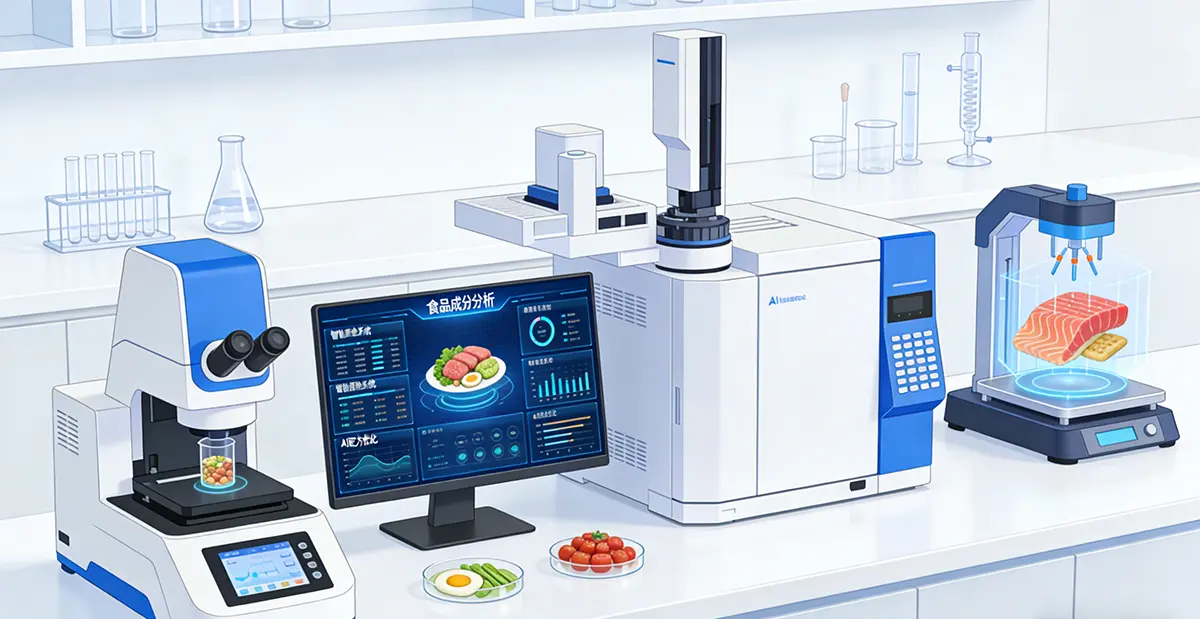
- Smart Manufacturing & Digitalization: Food factories undergo automation and intelligent upgrades. Process control, sensor technology, and data analytics increasingly optimize production and ensure safety.
- Globalized Food Safety: As global food supply chains grow increasingly complex, demand continues to rise for risk-based preventive controls (like HACCP), traceability systems, and rapid detection technologies.
Ideal Candidates and Core Competencies for Food Science and Engineering Major
If you possess the following traits, you may thrive in food science and engineering Major:
- Curiosity about food: Beyond enjoying eating, you want to understand why food tastes a certain way, how it's processed, and how to make it healthier.
- Meticulous experimenter: You enjoy operating lab instruments, analyzing data, and strictly adhering to standard operating procedures—because food safety tolerates no negligence.
- Balanced theoretical and practical skills: Willing to delve into the microscopic world of food chemistry while also engaging with factory operations to understand large-scale equipment.
- Strong sense of responsibility: Deeply aware that your work directly impacts public health, demonstrating profound respect for food safety and a strong professional ethic.
Core Competencies: Your core value lies in the systematic ability to ensure food reaches consumers “safely, nutritiously, and deliciously.” This encompasses both scientific understanding of food fundamentals and the engineering expertise to translate this knowledge into scalable production processes, quality control systems, and risk management protocols.
Leading Global Institutions
(Selected Schools - Listed in no particular order)
Food Science and Engineering Major is a flagship discipline at numerous universities worldwide, particularly in regions with advanced agriculture or robust food industries.
| Country/Region | Representative Institutions |
| United States | Cornell University, University of California, Davis, University of Illinois at Urbana-Champaign, Purdue University, Rutgers University, Texas A&M University |
| Europe | Wageningen University & Research (Netherlands), Lund University (Sweden), University College Dublin (Ireland), University of Reading (UK), University of Leeds (UK) |
| Canada | University of British Columbia, McGill University, University of Guelph |
| Asia | National University of Singapore, Kyoto University (Japan), Hokkaido University (Japan), Jiangnan University (China), China Agricultural University |
| Oceania | University of Queensland (Australia), University of Sydney (Australia) |
Recommended Learning Path for Food Science and Engineering Major
1. Undergraduate Stage: Build a Strong Scientific Foundation and Understand the Industry Landscape
- Core: Master foundational courses in chemistry, biochemistry, and microbiology. Excel in core specialized courses like food chemistry, food engineering principles, and food processing.
- Practical Experience: Leverage laboratory courses to acquire fundamental skills in food analysis and microbial testing. Through summer internships or factory tours, visit food production facilities to witness firsthand how milk becomes yogurt or wheat becomes bread. Participate in product development competitions to experience teamwork and innovation processes.
2. Master's Level: Focus on Specialization and Accumulate Project Experience
- Objective: Based on career aspirations (industry or research), select a specialization (e.g., product development, food safety, food engineering) for in-depth study. Master one specialized software or skill (e.g., statistical software, HACCP systems, sensory analysis).
- Advancement: Secure a full internship project at a food corporation (e.g., Mars, Nestlé) or government testing agency to understand real-world workflows and industry standards. For R&D-focused goals, commit to high-quality research projects.
3. Doctoral & Postdoctoral Stages: Tackle scientific frontiers and become a domain expert
- Positioning: If you are passionate about exploring uncharted scientific questions and aspire to become a top expert in a specialized field (e.g., food colloid science, flavor chemistry, food safety risk assessment), the doctoral stage is essential. Under your advisor's guidance, you will conduct years of in-depth research focused on a specific scientific or technical challenge.
- Future: Food science PhD graduates are highly sought-after by central research institutes of major food corporations, national research institutions, and top universities. They not only solve today's engineering challenges but also pioneer the future of food technology.
- The Previous Passage:Acoustics(Acoust.)_声学
- The Next Passage:Water Resources Engineering(Water Resour. Eng.)_水资源工程
Human Geography Major_Geography(Geog.)_人文地理
The Human Geography Major explores the complex relationships between human activities and space, cul···

Atmospheric Sciences(Atmos. Sci.)_大气科学
Atmospheric science is the study of phenomena and evolutionary patterns within Earth's atmospher···

Earth Sciences(Earth Sci.)_地球科学
The Earth Science major focuses on studying the Earth system and its interactions, providing a scien···
Ocean Sciences(Ocean Sci.)_海洋科学
PbootCMS是全新内核且永久开源免费的PHP企业网站开发建设管理系统,是一套高效、简洁、 强悍的可免费商用的···

