

Laboratory Animal Science(Lab. Anim. Sci.)_实验动物学
Time:2026-04-07 Visits:0
Laboratory Animal Science Major
The Laboratory Animal Science Major is an interdisciplinary applied field focusing on laboratory animal resources, experimental techniques, and welfare ethics, serving as an indispensable cornerstone of modern biomedical research. It is dedicated to providing standardized animals and comprehensive technical services to ensure the reliability and ethical integrity of scientific outcomes. This article details the core curriculum, advanced pathways, career options, and industry trends for the Laboratory Animal Science Major, offering a comprehensive reference for students aspiring to support the life sciences.

1. Introduction to the Laboratory Animal Science Major
The Laboratory Animal Science Major is an interdisciplinary applied discipline dedicated to the cultivation of experimental animal resources, standardized production, disease control, animal experimentation techniques, and the welfare and ethics of laboratory animals. It serves scientific research and new drug development in fields such as biomedicine, pharmacology, and the life sciences. By providing standardized, high-quality laboratory animals and a comprehensive technical service system, the Laboratory Animal Science Major ensures the reliability, reproducibility, and ethical integrity of scientific experimental outcomes, constituting a fundamental cornerstone and critical support for modern biomedical research.
2. Core Curriculum of the Laboratory Animal Science Major
| Module Category | Core Courses |
| Fundamentals | Introduction to Laboratory Animal Science, Anatomy & Histology of Laboratory Animals, Physiology of Laboratory Animals, Nutrition of Laboratory Animals |
| Genetics, Breeding & Quality Control | Genetics & Genetic Quality Control of Laboratory Animals, Breeding Science, Microbiology & Parasitology of Laboratory Animals, Environmental Hygiene for Laboratory Animals |
| Core Animal Experimentation Techniques | Methods & Techniques of Animal Experimentation, Comparative Medicine, Animal Models of Human Diseases, Surgery in Laboratory Animals, Animal Behavior & Welfare |
| Management, Regulations & Ethics | Laboratory Animal Management, Regulations & Ethics of Laboratory Animals, Facility Design & Operations Management, Biosafety |
| Interdisciplinary & Applied Topics | Pharmacology & Toxicology in Laboratory Animals, Imaging Techniques for Laboratory Animals, Genetically Engineered Animal Technology |
| Supporting Disciplines | Biochemistry, Molecular Biology, Cell Biology, Immunology, Fundamentals of Pathology, Biostatistics |
3. Advanced Study Pathways for the Laboratory Animal Science Major
Graduates of the Laboratory Animal Science Major often pursue Master's or Doctoral degrees in Laboratory Animal Science, Comparative Medicine, or Veterinary Medicine to engage in cutting-edge research on animal model development, disease mechanisms, and welfare science, leading to careers in academia or high-level industrial R&D. Another key pathway is a Doctor of Veterinary Medicine (DVM) degree, specializing in clinical care and disease prevention for laboratory animals. Other options include related Master's programs in Biotechnology, Experimental Pathology, or Pharmacology. Furthermore, obtaining professional certifications, such as laboratory animal technician credentials or laboratory animal veterinarian qualifications, is highly valuable and often essential for career advancement in this field.

4. Career Paths for the Laboratory Animal Science Major
The Laboratory Animal Science Major has a highly specialized focus, primarily serving the upstream support infrastructure of the scientific and pharmaceutical R&D chain. In Research and Technology Development, graduates become technical directors, veterinarians, facility managers, or model development scientists in university animal centers or research institutes, and serve as in vivo pharmacologists, toxicologists, or model development scientists in biopharmaceutical companies or CROs. Management and Technical Services offer roles such as production managers in animal supply companies, facility managers, or biosafety officers. Additionally, graduates of the Laboratory Animal Science Major are essential for Welfare, Ethics, and Professional Support, working as IACUC officers or welfare auditors to ensure ethical compliance and animal well-being.
5. Employment and Industry Trends for the Laboratory Animal Science Major
Employment is characterized as a “niche yet essential, stable, and specialized” field. The industry, while not large, is a critical part of research infrastructure with steady demand. Job alignment is high but concentrated. Success requires both credentials and hands-on experience, with certifications being fundamental and practical skills central to advancement. Salaries offer moderate starting points but significant growth potential with expertise and advanced qualifications.
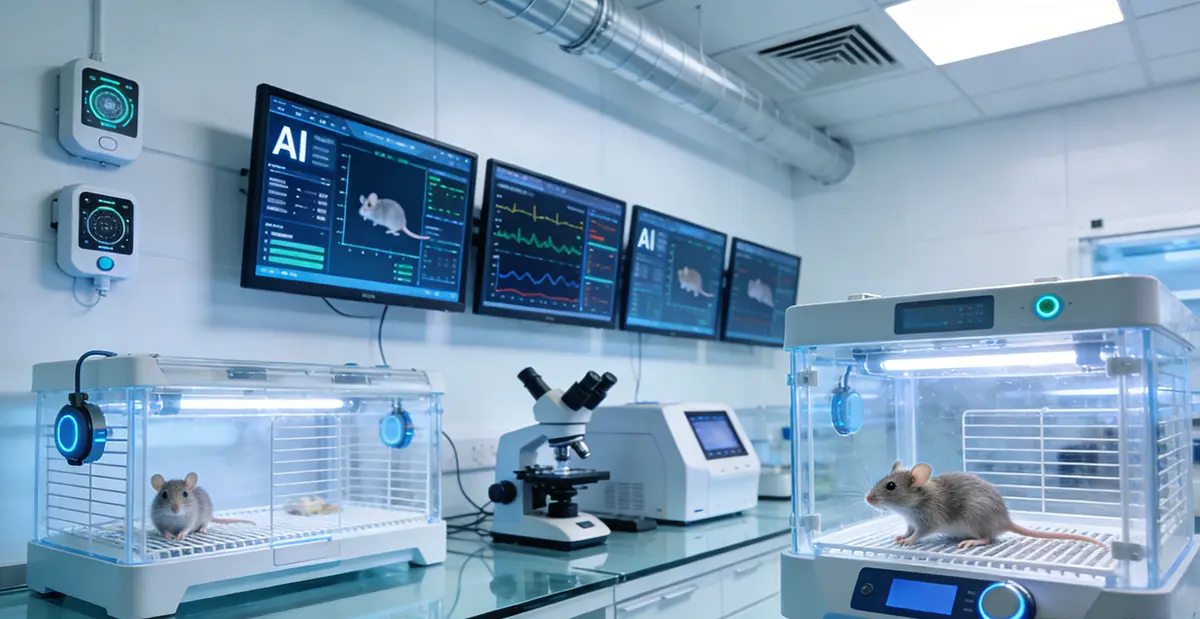
Key industry trends driving demand for the Laboratory Animal Science Major include: the explosive need for genetically engineered animal models (e.g., humanized mice) in advanced research; increasingly stringent global animal welfare standards and the growth of the 3Rs principles (Replacement, Reduction, Refinement); the critical role of specialized animal models in supporting precision medicine (e.g., PDX models); the digitalization and intelligent management of animal facilities; the unique value and demand for expertise in non-human primate models; and the specialized requirements for biosafety and infectious disease control in high-containment labs.
6. Leading Global Institutions Offering the Laboratory Animal Science Major
The Laboratory Animal Science Major is typically offered as a specialization, Master’s program, or key research area within veterinary, medical, or life sciences schools, with few institutions offering it as a standalone undergraduate degree.(Some universities are shown - ranking is not in order)
| Country/Region | Representative Institutions (Leading Programs in Related Fields) |
| United States | Johns Hopkins University (leading in Lab Animal Medicine), University of Missouri, UNC Chapel Hill, UC Davis (strong veterinary schools) |
| Europe | Utrecht University (Netherlands), University of Edinburgh (UK), Karolinska Institute (Sweden) |
| Japan | University of Tokyo, Kyoto University |
| China | China Agricultural University, Nanjing Agricultural University, Yangzhou University, Peking University, Fudan University |
DisciplineMajor Recommendations
Ideal Candidates for the Laboratory Animal Science Major:
This major is ideal for individuals who possess a genuine love for animals alongside a rigorous scientific mindset and a strong sense of responsibility. Successful candidates are meticulous, patient, highly skilled with their hands, and capable of strictly adhering to Standard Operating Procedures (SOPs). They have a deep interest in the crucial, behind-the-scenes work that supports biomedical research and are committed to upholding animal welfare ethics, balancing scientific necessity with compassionate care.
Core Competencies of the Laboratory Animal Science Major:
The Laboratory Animal Science Major builds a solid theoretical foundation in the field and proficiency in standardized operational skills. It provides extensive knowledge of and hands-on experience with various animal models. Graduates gain expertise in animal facility operations, management, and biosafety protocols. The program also emphasizes regulatory and ethical literacy, as well as strong communication and coordination skills essential for interacting with researchers, ethics committees, and other stakeholders.
Learning Recommendations for the Laboratory Animal Science Major:
Seek early hands-on experience by volunteering or working as an assistant in a university animal facility or research lab to build foundational animal care and handling skills. Proactively obtain professional certifications for laboratory animal technicians or related roles during or after your studies. Develop deep expertise in at least one core technical area, such as genetic engineering of animal models, microsurgery, in vivo imaging, or specialized disease model development. Stay current with industry regulations (both domestic and international), advancements in the 3Rs principles, and emerging animal model technologies. Cultivate unwavering professional integrity, a meticulous work ethic, and reliability, as these qualities are paramount in a field built on trust and ethical responsibility.
*Note: Program classification may vary by institution; please verify the specific structure at your chosen university.*
- The Previous Passage:Biology(Biol.)_生物学
- The Next Passage:Veterinary Medicine(Vet. Med.)_兽医学

Human Geography Major_Geography(Geog.)_人文地理
The Human Geography Major explores the complex relationships between human activities and space, cul···

Atmospheric Sciences(Atmos. Sci.)_大气科学
Atmospheric science is the study of phenomena and evolutionary patterns within Earth's atmospher···

Earth Sciences(Earth Sci.)_地球科学
The Earth Science major focuses on studying the Earth system and its interactions, providing a scien···
Ocean Sciences(Ocean Sci.)_海洋科学
PbootCMS是全新内核且永久开源免费的PHP企业网站开发建设管理系统,是一套高效、简洁、 强悍的可免费商用的···

