

Environmental Science and Engineering(Env. Sci. & Eng. 或 ESE)_环境科学与工程
Time:2026-04-11 Visits:4
Environmental Science and Engineering Major
The Environmental Science and Engineering Major focuses on the interaction between human activities and the environment, integrating natural sciences, engineering, and social sciences to develop solutions for pollution control, ecological restoration, and systems management. This discipline is a core force in addressing climate change and promoting sustainable development, training key professionals for environmental governance, green growth, and ecological civilization.
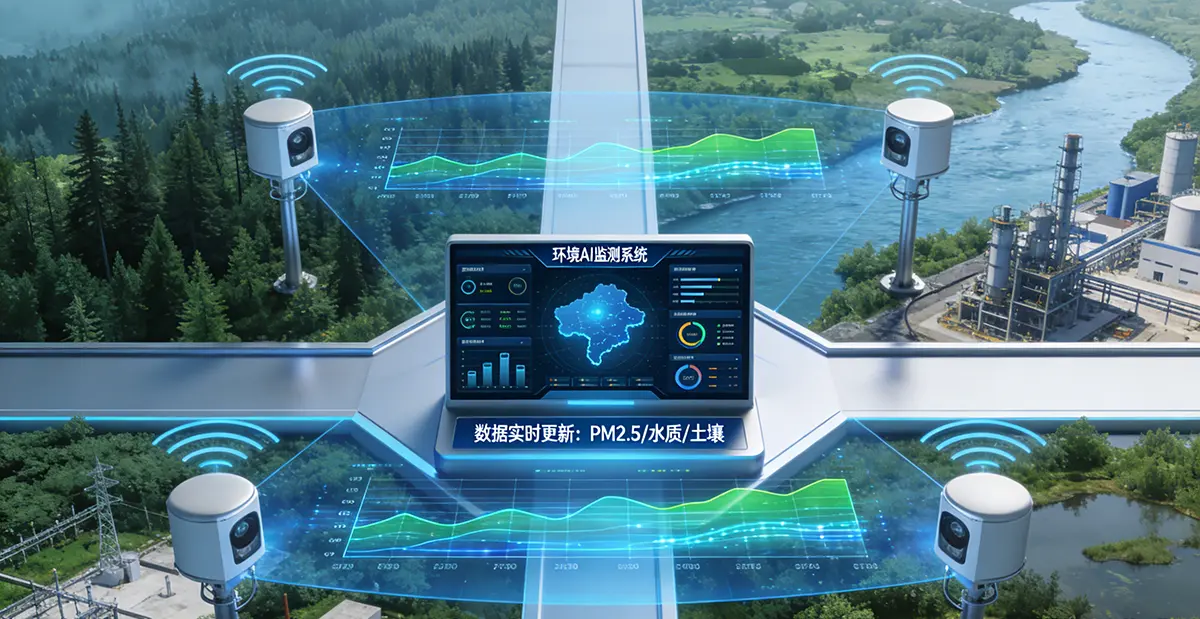
1. Introduction to the Environmental Science and Engineering Major
The Environmental Science and Engineering Major is an interdisciplinary field that studies the principles governing the interaction between human activities and the environment, seeking solutions to environmental problems and achieving sustainable development. It integrates knowledge from natural sciences (chemistry, biology, physics, geoscience), engineering (civil, chemical, materials), and social sciences (management, economics, law). This Major aims to understand environmental issues, develop pollution control technologies, design remediation strategies, and implement environmental systems management, serving as a core technological pillar for the development of ecological civilization.
2. Major Courses in the Environmental Science and Engineering Major
| Module Category | Core Courses |
| Natural Science Foundation | Environmental Chemistry, Environmental Microbiology, Environmental Ecology, Environmental Geoscience, Environmental Monitoring, Environmental Fluid Mechanics |
| Engineering Core | Water Pollution Control Engineering, Air Pollution Control Engineering, Solid Waste Treatment and Resource Recovery, Physical Pollution Control, Principles of Environmental Engineering, Water Supply and Drainage Engineering |
| Planning and Management | Environmental Impact Assessment, Environmental Planning and Management, Environmental Systems Engineering, Environmental Economics, Environmental Law and Policy |
| Analytical Techniques and Tools | Environmental Data Analysis, Geographic Information Systems (GIS) and Environmental Remote Sensing, Environmental Engineering Design and CAD, Environmental Mathematical Modeling |
| Frontiers and Interdisciplinary | Soil and Groundwater Remediation, Environmental Biotechnology, Environmental Materials Science, Climate Change and Low-Carbon Technologies, Environmental Health Science |
| Supporting Disciplines | Advanced Mathematics, University Physics, Inorganic and Analytical Chemistry, Organic Chemistry, Physical Chemistry, Engineering Drawing |
3. Advanced Study Pathways for the Environmental Science and Engineering Major
Master's/PhD in Environmental Science and Engineering: In-depth research into frontier areas such as pollutant transport and transformation, novel treatment technologies, environmental process modeling, and environmental health.
Water Supply and Drainage Science and Engineering: Specializes in the design and optimization of urban water systems.
Ecology/Environmental Geochemistry: Leans towards fundamental scientific research.
Master of Environmental Management/Public Policy: Shifts focus to environmental policy analysis, management, and planning.
Resource Recycling Science and Engineering: Concentrates on solid waste valorization and the circular economy.
Environmental and Energy Engineering: Focuses on new energy sources, carbon capture and storage (CCS), and related technologies.
Law (Environmental Law Track): Trains professionals specializing in environmental law.

4. Career Paths and Positions for the Environmental Science and Engineering Major
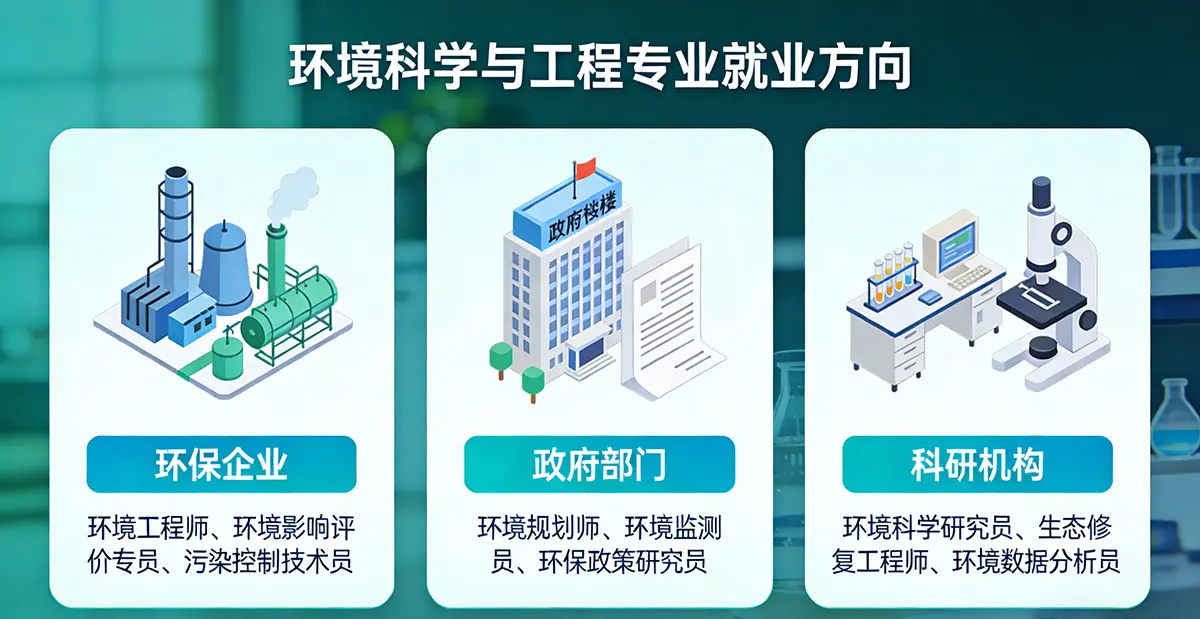
Employment spans the entire "regulation-governance-consulting-service" chain and is highly policy-driven.
Core Employment Sectors
Government Agencies and Public Institutions (Stable Destinations):
Ecological Environment Bureaus, Water Affairs Bureaus, Natural Resources Bureaus, Development and Reform Commissions, etc.: Civil servants or public institution staff engaged in environmental management, supervision, enforcement, and planning.
Environmental Monitoring Stations, Research Institutes: Roles in environmental monitoring, analysis, and policy research.
Environmental Engineering and Consulting Firms (Primary Market):
Engineering Design Institutes/Companies: Water Treatment Engineers, Process Engineers responsible for the design and implementation of wastewater treatment plants and air pollution control facilities.
Environmental Consulting Firms: Environmental Impact Assessment (EIA) Engineers, Environmental Supervision Engineers, Site Investigation and Remediation Engineers.
Industrial Enterprises (Client Side):
EHS (Environment, Health & Safety) Engineers at large manufacturers (petrochemical, energy, manufacturing, pharmaceuticals): Responsible for corporate environmental protection, health, and safety management systems.
Environmental Facility Operations: Responsible for the operation and maintenance of corporate-owned wastewater treatment plants and other facilities.
Public Utilities and Municipal Departments:
Water Supply Groups, Waste-to-Energy Plants, Sanitation Companies: Operations management and technical positions.
Emerging and Cross-disciplinary Fields:
Carbon Management and Consulting: Carbon Auditors, Carbon Traders supporting corporate carbon neutrality strategies.
Environmental Big Data and Smart Environmental Protection: Utilizing IoT and GIS for environmental monitoring and data analysis.
Environmental Remediation Companies: Engineers and project managers working on contaminated site and groundwater remediation projects.
5. Employment Rate and Industry Trends for the Environmental Science and Engineering Major
Employment Rate Characteristics
“Policy-Driven” Nature: Industry vitality is directly tied to the strength of national environmental policies and enforcement. Under the "Dual Carbon" goals and the Beautiful China initiative, long-term demand remains positive.
“Stable but Modest Starting Salaries”: Public sector jobs offer stability, while engineering roles require accumulated project experience. Overall starting salaries are not the highest among engineering disciplines, but experienced certified engineers (e.g., Professional Environmental Engineers, EIA Engineers) are highly valued.
Regional Disparities: Employment opportunities concentrate in economically developed regions with stringent environmental standards and major urban clusters.
Industry Development Trends
“Dual Carbon” Goals Drive Comprehensive Transformation: A shift from end-of-pipe treatment to source reduction, process control, and resource recycling. Carbon emission reduction and Carbon Capture, Utilization, and Storage (CCUS) are becoming key strategic priorities.
Deepening Pollution Prevention Campaigns: Transitioning from managing conventional pollutants (COD, SO₂) to controlling emerging contaminants (microplastics, antibiotics, endocrine disruptors) and their associated risks.
Systemic Governance and Ecological Restoration: Emphasis on integrated protection and restoration of mountains, rivers, forests, farmlands, lakes, grasslands, and deserts, increasing demand for ecological restoration technologies and systemic solutions.
Digitalization and Smart Environmental Protection: Application of IoT, Big Data, and AI for precise pollution source monitoring, environmental quality forecasting and early warning, and intelligent environmental risk perception.
Resource Recycling and "Zero-Waste City" Development: Driving technological innovation and industrial growth in waste sorting, comprehensive utilization of bulk solid waste, and high-value recycling of resources.
6. Major Global Institutions Offering the Environmental Science and Engineering Major
(Some universities are shown - ranking is not in order)
| Country/Region | Representative Institutions (Leading Institutions in Environmental Science and Engineering) |
| United States | Stanford University, University of California, Berkeley, University of Michigan, Ann Arbor, University of Illinois at Urbana-Champaign |
| Switzerland | ETH Zurich, École Polytechnique Fédérale de Lausanne (EPFL) |
| Netherlands | Wageningen University & Research (Leading in Environmental Science and Ecology) |
| United Kingdom | Imperial College London, University of Cambridge, University of Oxford |
| China | Tsinghua University, Harbin Institute of Technology, Tongji University, Nanjing University, Zhejiang University |
| Other | National University of Singapore, Technical University of Denmark |
DisciplineMajor Recommendations
Ideal Candidates for the Environmental Science and Engineering Major
Individuals with a strong sense of social responsibility and commitment to environmental protection and sustainable development.
Those who possess systems thinking and interdisciplinary learning abilities, capable of addressing problems holistically.
Patient and meticulous, willing to undertake outdoor or fieldwork (e.g., sampling, site investigations).
Strong communication and coordination skills are essential (interaction with government, businesses, and the public is frequent).
Core Competencies of the Environmental Science and Engineering Discipline
Solid knowledge of environmental pollutant identification, monitoring, analysis, and control technologies.
Ability to design, implement, and manage environmental engineering projects.
Understanding and practical application of environmental regulations, policies, and standards.
Capability to employ modern information technology tools to solve complex environmental problems.
Study Recommendations for the Environmental Science and Engineering Major
Build a strong foundation in chemistry, biology, and engineering: This is fundamental to understanding environmental processes and designing remediation solutions.
Achieve proficiency in core tools: GIS software, environmental simulation software, CAD drafting, and data analysis tools.
Pursue relevant professional certifications early: For example, the Fundamentals of Engineering (FE) exam for environmental engineering or the Environmental Impact Assessment Engineer qualification. Understand the eligibility requirements.
Accumulate practical project experience: Participate in real-world environmental surveys, assessments, or engineering design projects through internships and course-based projects.
Stay informed about major national strategies and policy documents: Such as the 14th Five-Year Plan for Ecological and Environmental Protection and carbon neutrality implementation plans.
Develop economic and management perspectives: Understand the cost-benefit aspects of environmental governance to enhance the feasibility and persuasiveness of proposed solutions.
Note: Some institutions may categorize this Major under different disciplines. Please refer to the specific classification of your chosen institution.
- The Previous Passage:Engineering Seismology(Eng. Seismol.)_工程地震学
- The Next Passage:Financial Engineering(Financ. Eng.)_金融工程
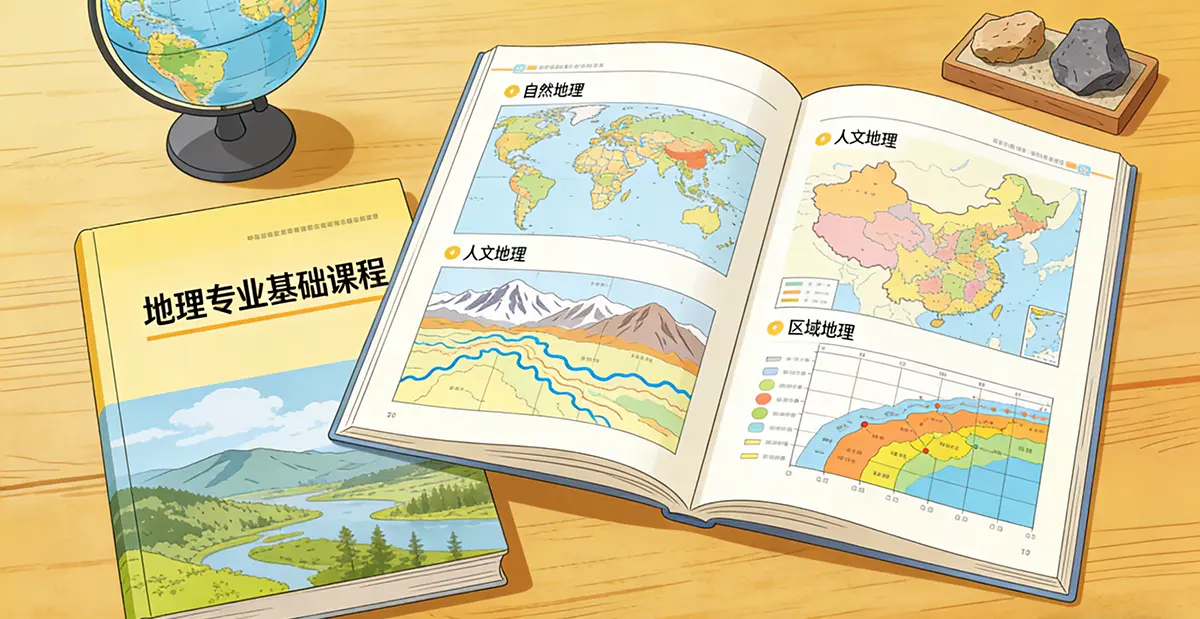
Human Geography Major_Geography(Geog.)_人文地理
The Human Geography Major explores the complex relationships between human activities and space, cul···

Atmospheric Sciences(Atmos. Sci.)_大气科学
Atmospheric science is the study of phenomena and evolutionary patterns within Earth's atmospher···
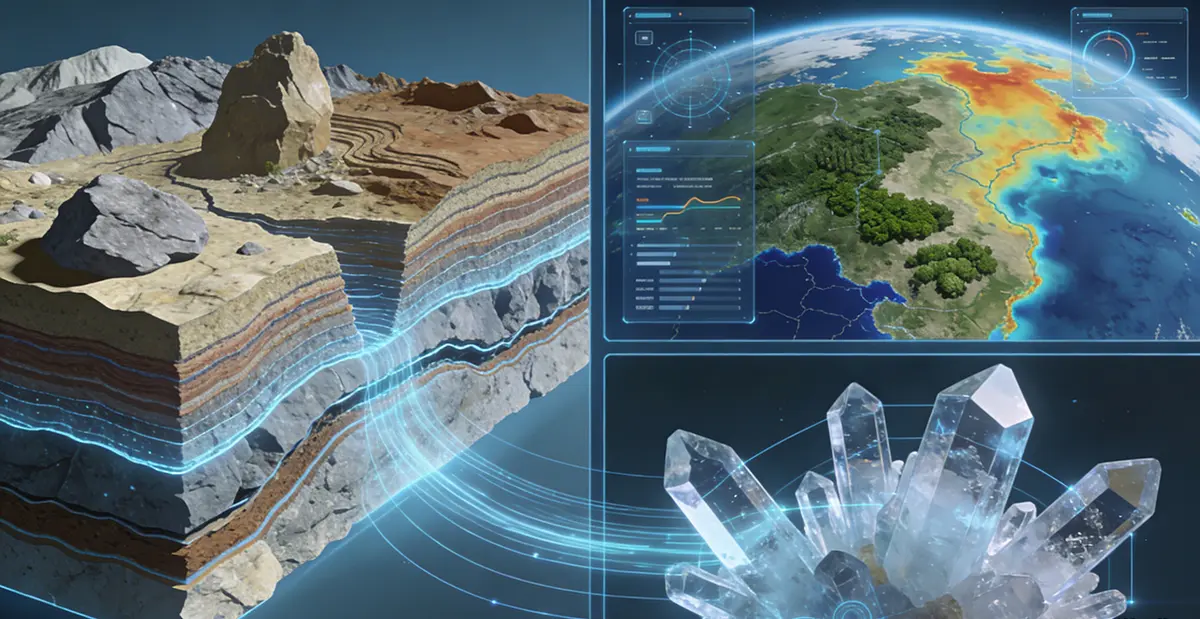
Earth Sciences(Earth Sci.)_地球科学
The Earth Science major focuses on studying the Earth system and its interactions, providing a scien···
Ocean Sciences(Ocean Sci.)_海洋科学
PbootCMS是全新内核且永久开源免费的PHP企业网站开发建设管理系统,是一套高效、简洁、 强悍的可免费商用的···

