

Music Education(Music Educ)_音乐教育
Time:2026-07-23 Visits:0
Music Education Major
Music education Major serves as a bridge discipline that integrates artistic heritage with the mission of nurturing talent. In 2026, amidst the deep intertwining of globalization and digitalization, it is undergoing a profound transformation—shifting from “skill training” to “whole-person development” and from “experience-based teaching” to “evidence-based education.”
Music Education Program Overview
Music education Major is a comprehensive discipline that explores the principles of music instruction and cultivates specialized music educators. Integrating musical performance skills, theoretical knowledge, pedagogical principles, and child development psychology, it aims to train versatile professionals capable of teaching music, designing curricula, conducting educational research, and managing arts programs in schools, communities, and diverse educational institutions.
If music is the language of human emotion, music educators serve as its “translators” and ‘enlighteners’—not only imparting performance techniques but guiding learners to appreciate musical beauty, comprehend cultural significance, and unlock creative potential. The core mission of this program is “empowering everyone to find self-expression through music and gain lifelong artistic enrichment.”
Program Characteristics from an International Perspective: Music education Major training models vary across countries. Top European and American conservatories (e.g., Juilliard, Royal Academy of Music) emphasize deep integration of performance skills and pedagogy; comprehensive universities (e.g., New York University) prioritize interdisciplinary perspectives and innovative thinking; while Chinese teacher training institutions focus on systematic development of teaching practice and curriculum design capabilities. This discipline balances artistic expression with scientific rigor, blending local practice with global vision.

Core Curriculum in International Institutions
Music education Major at top international universities emphasize a trinity of “performance skills + pedagogical knowledge + educational theory,” typically structured into three modules: core fundamentals, specialized deepening, and integrated practice.
Core Fundamentals Module (based on Brunnen University and Wenzhou University):
| Course Category | Core Courses | Learning Objectives |
| Music Theory Fundamentals | Basic Music Theory & Sight-Singing/Ear Training, Harmony, Music History, Form Analysis | Establish a systematic framework of music theory knowledge |
| Performance Skills | Major Instrument/Vocal Performance (6 credits), Minor Instrument (1 credit), Piano Proficiency Exam | Achieve professional proficiency for instructional demonstration |
| Educational Theory Foundation | Educational Psychology, Curriculum Theory, Introduction to Pedagogy | Understand learning principles and teaching methodologies |
Specialized Deepening Module:
| Institution/Program | Signature Courses | Instructional Focus |
| Berklee College of Music | Contemporary Teaching Methods & Practices, Urban Education Issues, Instruction for Students with Special Needs, Technology in Music Classrooms | Innovative approaches, technology integration, multicultural education |
| New York University | Jazz and Music Theatre Practice, World Music, Master Artist Workshops | Interdisciplinary Arts Integration, Industry Engagement |
| Peabody Conservatory | K-12 Music Curriculum Design, Teacher Certification Program | Elementary/Secondary Music Pedagogy, Professional Credentialing |
| Wenzhou University | Piano Accompaniment Improvisation, Choral Conducting, Music Curriculum Standards & Textbook Research, Music Instructional Design | Classroom Teaching Skills, Curriculum Development Capabilities |
Integrated Practice Modules:
- Teaching Internship: Complete required teaching hours at K-12 schools or educational institutions
- Graduation Recital: Perform a minimum 30-minute solo recital prior to teaching internship
- Educational Internship Program: Wenzhou University requires completion of educational internship and graduation thesis
- Teacher Certification: Obtain K-12 teaching credential after passing standardized teacher examination
Assessment Methods:
- Course Grading: All major courses must achieve a grade of C or higher
- Piano Proficiency Exam: Pass all required sections of piano proficiency exam
- Concert Performance Assessment: Complete 30-minute solo performance from memory
Advanced Study Pathways in Music Education Major
Master's and doctoral research focuses on highly specialized and cutting-edge areas, primarily encompassing the following domains:
Core Research Areas:
| Research Area | Research Content | Application Fields |
| Music Curriculum and Pedagogy | Unit-based instructional design, interdisciplinary music curricula, music standards research | Curriculum development, textbook authoring |
| Music Learning and Development | Children's musical ability development, learning motivation research, music education Major for students with special needs | Differentiated instruction, learning support |
| Music Education Technology | AI-enhanced music education, digital tool applications, online music learning platforms | EdTech, smart teaching |
| International Comparative Studies | Comparative analysis of national music curricula, cross-cultural pedagogy research, International Baccalaureate programs | Curriculum reform, international education |
| Choral and Conducting Pedagogy | Choral training methodologies, conducting gesture design, choral repertoire analysis | Choir direction, teacher training |
Emerging Frontiers:
- Music Education Neuroscience: Music learning and brain development, educational applications of music therapy
- Multicultural Music Education: Integrating world music into curricula, cultural identity and music instruction
- Music Education Policy Research: Analysis of arts education policies, educational equity and resource allocation
- Music Teacher Professional Development: Teacher cognition research, reflective practice, mentorship programs
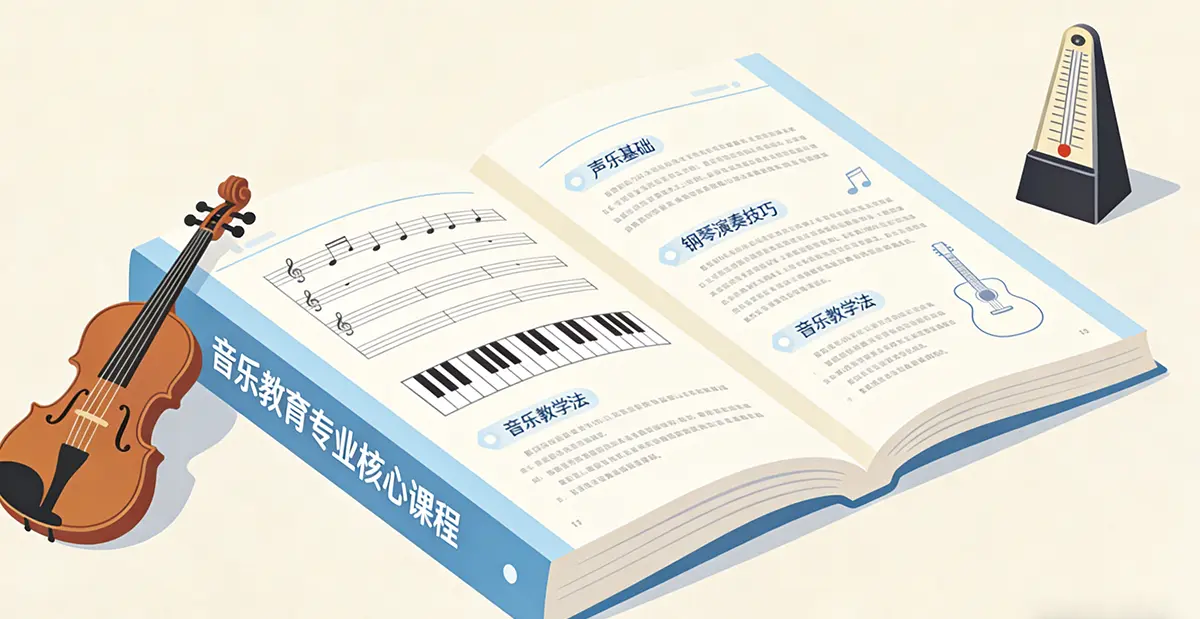
International Career Pathways and Positions
Music education Major graduates enjoy stable global demand, with career fields expanding beyond traditional school teaching into edtech, arts management, community services, and more.
Core Employment Sectors:
| Sector | Typical Employers | Representative Positions |
| School Education | Public K-12 schools, private schools, international schools, kindergartens | Music teachers, choir directors, music curriculum coordinators |
| Higher Education | University music departments, teacher training colleges, community colleges | Lecturers, professors, teaching researchers |
| Arts Education Institutions | Music training centers, youth activity centers, cultural centers | Professional instructors, teaching supervisors, curriculum designers |
| Community & Religious | Community cultural centers, churches, choirs | Choir directors, community music specialists, worship music directors |
| EdTech | Music education technology companies, online learning platforms | Curriculum designers, educational product managers, content strategists |
| Arts and Cultural Management | Concert Halls, Arts Foundations, Cultural Institutions | Education Program Specialists, Arts Outreach Officers, Conservatory Administrators |
| International Development | International Schools, Multinational Education Organizations | IB Music Teachers, Curriculum Consultants |
Representative Global Positions:
1. K-12 Music Teacher: Teaches music in public or private schools; stable annual demand in the U.S.
2. Choir Director: Leads rehearsals and performances for school, community, or church choirs, overseeing overall rehearsals, training, and conducting
3. Conservatory Administrator: Engages in curriculum design and development, teaching management, occasionally teaching a limited course load
4. Private Tutor: Guides students in portfolio preparation and advanced academic advancement courses
5. Music Education Researcher: Conducts specialized research and analysis in music education, requiring understanding of diverse disciplinary needs
6. EdTech Product Manager: Defines requirements and oversees development of music education products at educational technology companies
Salary Levels (International Reference):
- China: Music education professionals earn between 2K-20K RMB/month, with 51.8% of positions paying 3K-6K RMB/month. By education level: vocational college graduates average 5.3K RMB, fresh graduates average 6.4K RMB
- UK: Significant shortage in music teacher recruitment market, with 14% of January vacancies unfilled by early February
- US: Public school music teacher salaries vary significantly by region and experience; K-12 certification enables entry into public school systems
International Employment Rates and Industry Trends
Employment Rates and Talent Shortages:
- China: Music education ranks 31st out of 34 education majors and 50th out of 69 cultural education majors in employment prospects. 31,792 positions are projected for 2025, accounting for 0.122% of national openings.
- UK: Applications for music teacher training courses dropped from 91 in January 2025 to 70 in January 2026. 14% of 57 secondary school music teaching positions remained unfilled by early February.
- International Schools: Sustained demand for music teachers in international schools may attract educators from countries like the UK.
Industry Trends:
1. Persistent global music teacher shortage: Significant vacancies exist in recruitment markets like the UK, with some positions requiring re-advertisement. International school expansion may intensify competition for teaching resources.
2. Stringent certification requirements: All states/countries mandate public school music teachers obtain licenses or certifications. Brunnao University students must complete teacher education programs and pass standardized exams to earn K-12 teaching credentials.
3. Technology Integration as Essential Skill: Leading institutions like Berklee College of Music emphasize “using cutting-edge technology in music classrooms and ensembles.” Wenzhou University's curriculum integrates technology application training.
4. Increased Demand for Multicultural Education: The growing diversity of student populations in U.S. schools presents new challenges for music teachers. International perspectives and cross-cultural competencies have become key competitive advantages.
5. Special education needs gain prominence: Berklee's curriculum includes “teaching students with special needs,” driving demand for music educators in special education.
6. Dual emphasis on performance and pedagogy: Peabody Institute requires music education students to achieve the same excellence as performance majors. Graduation recital standards reflect rigorous performance expectations.
Ideal Candidates for Music Education Major
You'll gain a competitive edge internationally if you possess these qualities:
1. Genuine passion for music: Not only love performing/singing, but also delight in sharing music's joy with others and spreading its influence.
2. Strong performance skills: Demonstrate advanced proficiency in your primary instrument/voice, capable of delivering a 30-minute solo recital.
3. Excellent communication and articulation: Translate complex musical concepts into accessible language for learners, effectively engaging students of diverse ages and backgrounds.
4. Patience and empathy: Understand learners' challenges and needs, providing timely encouragement and support.
5. Creativity and Adaptability: Design engaging teaching activities and adjust flexibly based on classroom dynamics.
6. Reflection and Continuous Learning: Summarize experiences from teaching practice to continually refine instructional methods.
7. Cultural Sensitivity: Understand and respect students from diverse cultural backgrounds, working effectively in multicultural settings.
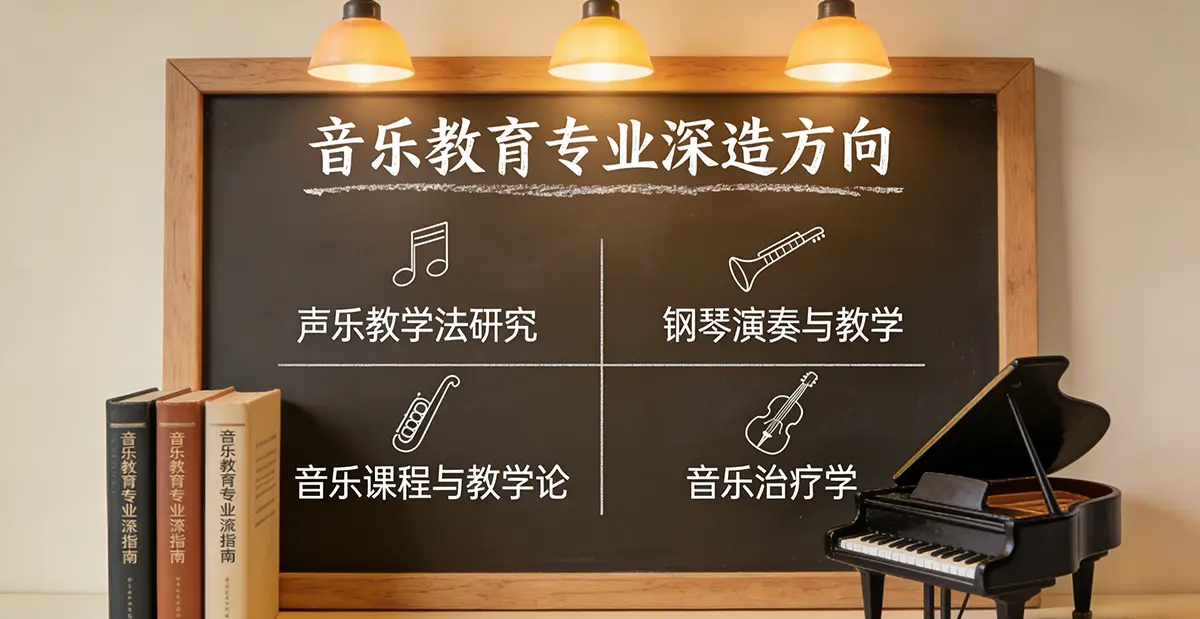
Core Competencies of Music Education Major
The core strength of this program lies in its integrated capacity spanning “artistic expression,” “pedagogical translation,” and “cultural understanding.” A Delphi-based study identified four dimensions of core musical literacy:
Aesthetic Perception: The ability to perceive, experience, and comprehend the aesthetic elements of music, cultivating acute artistic intuition. This forms the foundational competency of music education Major.
Artistic Performance: Accurately conveying the essence of musical works through performance, singing, conducting, etc., achieving professional standards for demonstration teaching.
Creative Practice: Creatively applying musical knowledge to teaching contexts, designing engaging musical activities that stimulate learners' creativity.
Cultural Understanding: Comprehending the cultural contexts of musical works, integrating multicultural perspectives into teaching, and fostering students' respect for global musical traditions.
Subject-Specific Pedagogical Knowledge: Ability to translate musical knowledge into learner-accessible formats, anticipate common learning challenges, and design targeted instructional strategies.
Reflective and Research Capabilities: Ability to critically evaluate one's teaching practices, engage in action research, and continuously enhance instructional quality.
Technology and Innovation Literacy: Ability to effectively integrate AI, digital tools, and other technologies into music education Major to cultivate students' digital literacy.
Major Institutions Worldwide
(Selected Schools Listed - No Particular Order)
| China | Shanghai Conservatory of Music | China's Premier Music Conservatory |
| United Kingdom | Royal Academy of Music | Global Leader in Performing Arts and Music |
| Royal College of Music, University of London | Specializes in Classical Performance, Including Film and Television Scoring | |
| Including Film and Television Scoring | Royal Academy of Music | Integrates music and drama education |
| Royal Northern College of Music | One of UK's premier music institutions | |
| Trinity Laban Conservatoire of Music and Dance | Combines music and dance | |
| Hungary | Franz Liszt Academy of Music | Ranked 12th globally for music education |
| United States | Juilliard School | World-renowned performing arts institution |
| Curtis Institute of Music | Provides elite music education | |
| University of Rochester | Renowned for the Eastman School of Music | |
| New York University | Innovative Master's programs in music education | |
| Canada | McGill University | Canada's premier music institution |
| Finland | Sibelius Academy, University of the Arts Helsinki | Leading Nordic music conservatory |
| France | Conservatoire National Supérieur de Musique de Paris | Europe's oldest music conservatory |
| Conservatoire National Supérieur de Musique de Lyon | Representative of French music education | |
| Russia | Moscow Tchaikovsky Conservatory | Representative of Russian Music Education |
| Gnesin Academy of Music | Representative of Russian Music Education | |
| St. Petersburg Conservatory | Russian Musical Tradition | |
| Denmark | Royal Danish Academy of Music | Leading Nordic Music Education |
| Austria | University of Music and Performing Arts Vienna | Deep Classical Music Tradition |
| Other Strong Institutions for Music Education (Non-Ranked) | Berklee College of Music | Master of Music Education, advanced guidance in contemporary teaching methods and practices |
| Peabody Institute: Music | Music Education program, K-12 teacher certification | |
| University of Bern | Bachelor of Music Education, emphasizing balance between performance and pedagogy | |
| Wenzhou University | Music Education (Teacher Training) program, internationalized curriculum |
Recommended Study Path for Music Education Major
1. Build a Solid Foundation (Undergraduate Stage):
Focus on core music skills and educational theory. Master theoretical courses like music theory, sight-singing, ear training, harmony, and music history while achieving advanced proficiency in your primary instrument/voice. Systematically study foundational education courses such as educational psychology and curriculum theory. Brandeis University requires a GPA of 2.5 or higher, with all major courses graded C or above.
2. Build Professional Framework (Mid-to-Late Undergraduate):
Deepen expertise in core courses like music pedagogy, choral conducting, piano accompaniment improvisation, and music curriculum design. Actively participate in teaching practicums; Wenzhou University requires completion of educational internships. Pass piano proficiency exams and perform a 30-minute graduation recital.
3. Focus and Deepen (Master's Level):
Select research specializations based on interests, such as music curriculum and pedagogy, music education technology, or international comparative education. Berklee College of Music's master's program offers cutting-edge content like contemporary teaching methods and instruction for students with special needs. New York University's curriculum emphasizes interdisciplinary arts integration and practical opportunities.
4. Future Planning and Internationalization (Throughout):
- Language and Perspective: Achieve IELTS or TOEFL scores (fluent English required for international schools and positions). Wenzhou University emphasizes cultivating global perspectives and bilingual Chinese-English proficiency.
- Certification Requirements: Research teacher credentialing standards in target countries. Peabody Conservatory graduates qualify to teach K-12 music in Maryland and reciprocal states.
- Skill Matrix: Targeted skill development aligned with industry demands:
- Technical Proficiency: Master music pedagogy software, online teaching platforms, and AI educational tools
- Multicultural Competence: Study world music and understand music education across diverse cultural contexts
- Special Education Knowledge: Learn teaching methodologies for students with special needs
- Expand International Experience: Pursue international exchanges, overseas internships, or teaching opportunities at international schools. Wenzhou University's curriculum design aligns with global music education talent development objectives.
5. Career Strategies:
- Select specialized fields: Areas like special education and multicultural education face greater demand in countries such as the United States.
- Diversify employment channels: Beyond traditional school teaching, international schools, edtech companies, and community cultural institutions represent significant career pathways.
- Pursue continuous professional development: Participate in professional development training, join professional organizations (e.g., NAfME), and obtain advanced certifications to enhance career competitiveness.
- The Previous Passage:Journalism and Communication Studies(JCS)_新闻传播学
- The Next Passage:没有了!
Human Geography Major_Geography(Geog.)_人文地理
The Human Geography Major explores the complex relationships between human activities and space, cul···

Atmospheric Sciences(Atmos. Sci.)_大气科学
Atmospheric science is the study of phenomena and evolutionary patterns within Earth's atmospher···

Earth Sciences(Earth Sci.)_地球科学
The Earth Science major focuses on studying the Earth system and its interactions, providing a scien···

Ocean Sciences(Ocean Sci.)_海洋科学
PbootCMS是全新内核且永久开源免费的PHP企业网站开发建设管理系统,是一套高效、简洁、 强悍的可免费商用的···

