

Oral Medicine_口腔医学
Time:2026-03-08 Visits:3
Oral Medicine
Oral medicine is a core medical discipline safeguarding the gateway to human health and impacting quality of life. In 2026, amid accelerating population aging and evolving aesthetic demands, it is undergoing a profound transformation from “treatment” to ‘prevention’ and from “experience-based” to “digital intelligence.” Below is a systematic overview of this field's international perspective.
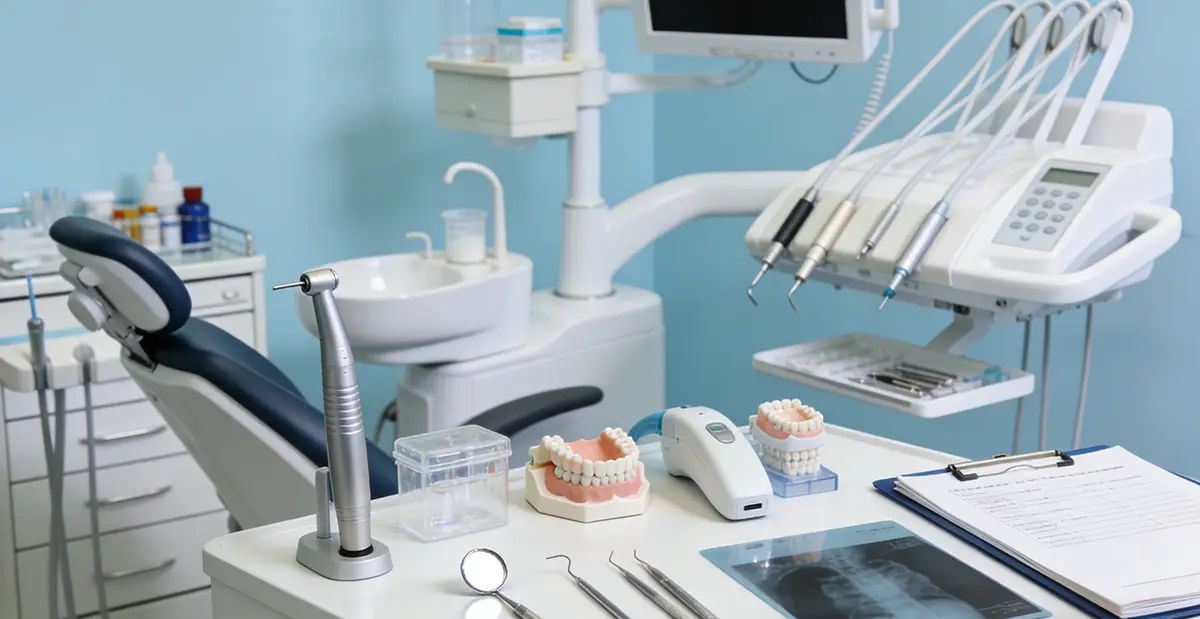
Introduction to the Oral Medicine Major
Oral medicine is a comprehensive medical discipline that studies the occurrence, development, diagnosis, treatment, and prevention of diseases affecting the teeth, jawbones, oral cavity, and soft and hard tissues of the maxillofacial region. It encompasses not only well-known fields like endodontics, periodontics, and prosthodontics, but also disciplines such as oral and maxillofacial surgery that bear the responsibility of saving lives, restoring facial appearance, and preserving dignity. This embodies the medical mission of “promoting perfect health and eliminating human suffering.”
Oral medicine is a primary discipline and a vital component of medical science. Grounded in basic and clinical medicine, it integrates knowledge from materials science, aesthetics, biomechanics, and other fields to cultivate professionals capable of diagnosing and treating oral diseases, providing preventive care, conducting scientific research, and teaching.
If modern medicine is likened to a grand edifice, dentists serve as its “gatekeepers”—shaping patients' smiles, restoring masticatory function, and detecting major diseases like oral cancer at their earliest stages. The core mission of this profession is “to safeguard every radiant smile through masterful technique and compassionate care.”
Professional Characteristics from an International Perspective: Dental education systems and practice models vary across countries. Western nations typically adopt elite education with high admission thresholds, granting regionally or internationally recognized licenses upon graduation (e.g., the EU General License). China has developed a dual-track system featuring five-year undergraduate programs and integrated “5+3” training, emphasizing dual cultivation of clinical skills and research capabilities. This is a discipline characterized by high professional barriers, internationalized practice, and stable societal demand.
Core Curriculum at International Institutions
Dental programs at top international universities emphasize “equal emphasis on theory and practice, integrating foundational and clinical knowledge.” They typically follow a modular structure of “core fundamentals + specialized deepening + clinical practice,” with a standard duration of five years.
Core Fundamentals Module (Example: University of Valladolid, Spain):
- Basic Medicine: Human Anatomy and Embryology, Human Physiology, Biochemistry and Immunology, Microbiology, Pathological Anatomy, Pharmacology
- Oral Foundation: Oral Anatomy, Biology, Epidemiology and Public Health, Psychology and Communication, Ethics and Bioethics
Specialized Deepening Module (Comprehensive):
| Specialization | Core Courses | Application Areas |
| Oral Medicine | Endodontics, Periodontology, Oral Mucosal Diseases | Caries Treatment, Root Canal Therapy, Periodontal Disease Prevention |
| Oral Surgery | Oral and Maxillofacial Surgery, Anesthesia and Recovery, Dental Radiology and Radiation Protection | Tooth Extraction, Maxillofacial Surgery, Trauma Management |
| Prosthodontics and Orthodontics | Prosthodontics, Orthodontics, Implantology, Dental Materials Science | Denture Fabrication, Orthodontic Treatment, Implant Restoration |
| Pediatric Dentistry | Pediatric Dentistry, Pediatric Dental Care | Pediatric Caries Prevention, Occlusion Guidance |
Integrated Practice Module (Guangzhou Medical University example):
- Laboratory & Clinical Rotations: All specialized courses follow a progressive teaching model of theory → clinical rotation → laboratory → practice
- Clinical Internship: 48-week internship in the fifth year covering departments including Endodontics, Oral Surgery, Prosthodontics, Pediatric Dentistry, Periodontology, Oral Mucosal Diseases, Preventive Dentistry, and Oral and Maxillofacial Radiology
- Graduation Assessment: “Theory + Skills” examination format; practical skills assessed using the multi-station testing model for licensed physicians
International Program Features:
- Universidad de Valladolid, Spain: Instruction in English; requires Spanish proficiency at B2 level by the end of the third year for internship communication; EU dental license valid across the European Union
- European University of Georgia: 300-credit curriculum divided into three phases: Human Structure and Function, Health and Disease Mechanisms, Oral Clinical Courses; employs simulation teaching using manikins and digital simulation equipment (e.g., Body Interact, Anatomage)
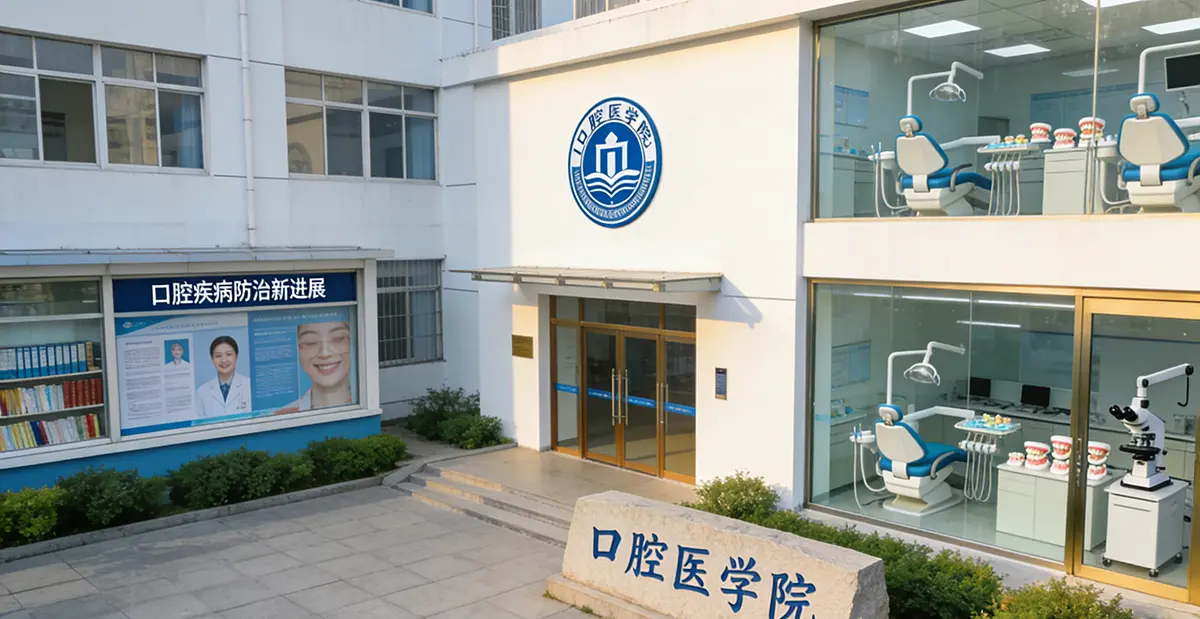
Advanced Academic Pathways for Oral Medicine Major
Master's and doctoral research specializations are highly specialized and cutting-edge, primarily covering the following fields:
Clinical Specialties (using UBC Faculty of Dentistry as an example):
- Endodontics: Novel root canal techniques, pulp regeneration, pulp preservation
- Orthodontics: Invisible aligner technology, craniofacial growth and development, oral appliance therapy for sleep apnea
- Pediatric Dentistry: Pediatric behavior management, early orthodontic intervention, pediatric dental treatment under general anesthesia
- Periodontology: Periodontal tissue regeneration, prevention and treatment of peri-implantitis
- Prosthodontics: Digital prosthetics, implant-supported restorations, maxillofacial defect reconstruction, geriatric oral rehabilitation
- Oral and Maxillofacial Surgery: Orthognathic Surgery, Maxillofacial Trauma Repair, Oral Cancer Radical Surgery and Reconstruction
Basic and Interdisciplinary Research Directions (Using UBC School of Dentistry as an Example):
| Research Cluster | Research Direction | Application Areas |
| Clinical Research, Technology Transfer & Dental Materials Science | Cancer Diagnosis & Prevention, Biomaterials, Forensic Odontology, Dental Sleep Medicine, Microbial Biofilms & Hygiene | Oral Cancer Early Screening, New Material Development, Oral Appliances for Sleep Apnea |
| Community & Education Research | Oral Health Promotion, Healthcare Services, Educational Research | Community Oral Health Interventions, Oral Health Education |
| Basic Science | Microbiology, Biomedical Sciences, Cell & Developmental Biology | Mechanisms of Tooth Development, Maxillofacial Tissue Regeneration, Wound Healing |
Emerging Frontier Directions (Comprehensive):
- Digital-Intelligent Bionic Oral Restoration: Interdisciplinary integration of medicine and engineering, pursuing “fast, simple, accurate” while emphasizing humanistic-technological convergence to align with patients' physiological and psychological needs
- AI in Oral Medicine: AI-assisted diagnosis, intelligent clinical decision systems, teledentistry
- Oral Preventive Medicine: Caries risk assessment, early intervention strategies, community oral health management
- Oral-Systemic Health Connections: Oral microbiome-systemic disease relationships, oral health and chronic disease management
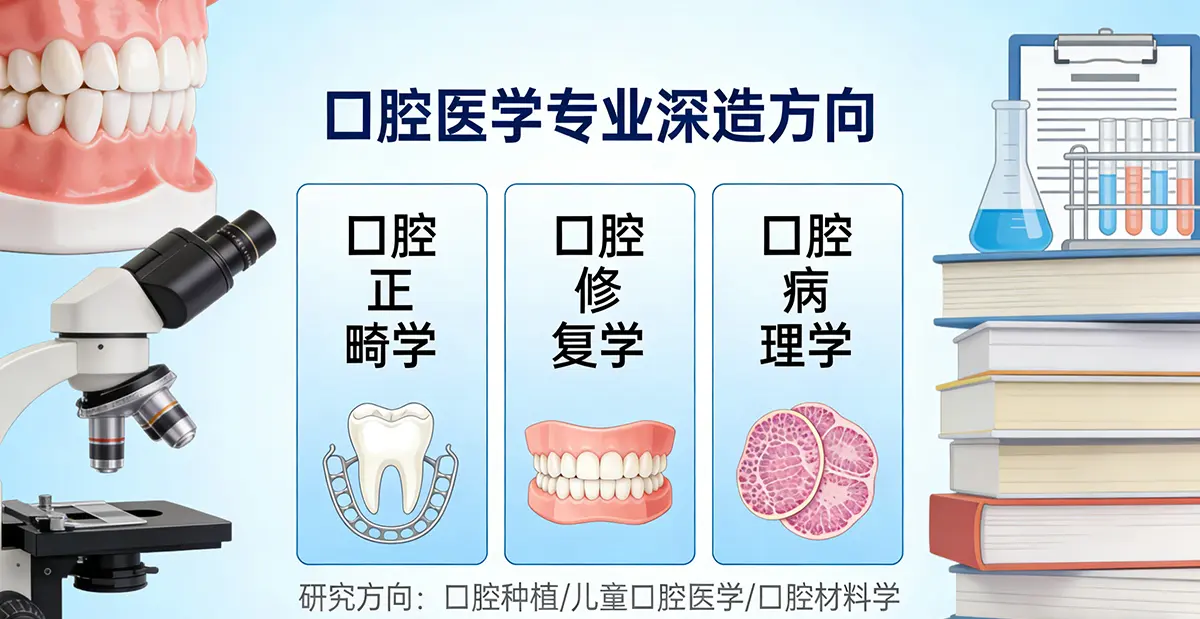
International Career Pathways and Positions
Graduates in dental medicine are in high demand globally, with career opportunities spanning clinical practice, research, industry, public health, and more.
Core Employment Sectors:
| Sector | Typical Employers | Representative Positions |
| Clinical Care | Dental specialty hospitals, hospital dental departments, private practices | General dentists, specialists, implant/orthodontic/prosthodontic specialists |
| Public Health | Disease control centers, community health service centers | Preventive dental care practitioners, public health program managers |
| Medical Education | Dental Schools, Teaching Hospitals | Clinical Educators, Medical Education Researchers |
| Scientific Research | University Institutes, Research Institutions | Researchers, Lab Directors, Clinical Investigators |
| Dental Industry | Dental Device Companies, Materials Firms, Digital Enterprises | Technical Support, Product Development, International Sales |
| Health Management | High-end clinics, medical aesthetics institutions, insurance agencies | Oral health consultants, medical aesthetics practitioners, insurance assessors |
| Entrepreneurship | Private clinics, chain practices | Clinic founders, partners, managers |
Representative Global Positions (Based on Latest Industry Data):
1. General Dentist: Diagnoses and treats common and prevalent oral diseases across all levels of healthcare institutions—the core career path
2. Dental Specialists: Provide specialized care in orthodontics, implantology, prosthodontics, maxillofacial surgery, etc., at specialty hospitals or large general hospitals
3. Technical Support (Dental Materials): Deliver product technical support to clinicians at dental device companies; requires bachelor's degree or higher; starting salary ¥10,000-15,000 + quarterly bonus ¥3,000-9,000
4. International Sales: Expand overseas markets. Requires fluent English; proficiency in additional languages preferred. Includes overseas travel subsidies and work visa support.
5. Clinical Research Nurse/Coordinator: Participate in clinical research for new oral medications and materials at drug clinical trial institutions.
6. Public Health Physician: Work in disease prevention and control departments on oral health promotion, epidemiological investigations, and program evaluations.
7. Private Clinic Founder: Independently establish dental clinics after accumulating clinical experience and capital
Salary Levels (International Reference):
- China: Guangzhou Medical University graduates have maintained over 95% employment rates for ten consecutive years, widely securing positions in high-level dental specialty hospitals and comprehensive medical institutions in first-tier cities like Beijing, Shanghai, Guangzhou, and Shenzhen; Shandong Huge Dental Technical Support positions offer starting salaries of ¥10,000–15,000/month + quarterly bonuses of ¥3,000–9,000 + year-end bonuses
- North America: UBC Faculty of Dentistry graduates enjoy strong employment prospects; specialty training requires completion of a master's or doctoral degree
- European Union: Graduates from the University of Valladolid, Spain, can practice across Europe with a universal EU license
Global Employment Rates and Industry Trends
Employment Rates and Talent Shortages:
- China: Over 80% of undergraduate graduates from Sun Yat-sen University's Guanghua School of Stomatology pursue further studies, with 100% admitted to top domestic universities or globally renowned institutions; graduate employment rates have exceeded 95% for ten consecutive years.
- International: Dentistry remains a critically understaffed specialty across healthcare systems worldwide, with developed nations facing persistent dentist shortages.
- Industry Talent: The dental equipment sector demands interdisciplinary professionals proficient in both dentistry and international markets.
Industry Development Trends:
1. Digital Transformation Reshapes Dental Care: Precision and digital intelligence drive accelerated innovation in dentistry. Digital bionic technologies are redefining restorative dentistry's core principles, prioritizing speed, simplicity, and accuracy while integrating humanistic values with technology.
2. Preventive Care Gains Mainstream Acceptance: Shifting from “treating disease” to “preventing disease.” Preventive medicine approaches—including caries risk assessment, early intervention strategies, and community oral health management—are emerging as key focus areas.
3. Oral-Systemic Health Linkages Gain Recognition: Deepening research on the connection between the oral microbiome and systemic diseases like diabetes, cardiovascular disease, and Alzheimer's is driving the integration of dentistry into broader healthcare systems.
4. Aging population drives new demands: Surging needs for geriatric oral health management, complete denture restoration, implant-supported restorations, and geriatric periodontal disease prevention.
5. Deep integration of medicine and engineering: Cross-disciplinary professionals are required in digital restoration, 3D-printed implant guides, innovative dental materials, and AI-assisted diagnosis.
6. Synergistic Development of Public and Private Sectors: Public hospital dental departments and specialized dental hospitals handle complex and critical cases, while private clinics and chain institutions meet routine needs, forming a multi-tiered service system.
7. Expanding International Practice Opportunities: Mutual recognition of EU licenses and the advancement of the Belt and Road Initiative provide more international development platforms for dental professionals.
Ideal Candidates for Oral Medicine Major
You'll gain a competitive edge in the global arena if you possess these qualities:
1. Exceptional Manual Dexterity: Dentistry demands high practicality and precise manual skills. Candidates unable to perform intricate tasks with their right hand should carefully consider this field.
2. Solid scientific reasoning: Integrating foundational and clinical medical knowledge with problem-solving capabilities.
3. Artistic aesthetic sense: Restorative dentistry, orthodontics, and implantology demand not only functional restoration but also facial aesthetics and smile design, requiring aesthetic discernment.
4. Exceptional communication skills: Patiently explaining treatment plans, clarifying conditions, and building trust.
5. Patience and Sense of Responsibility: Dental treatments often require multiple follow-up visits, demanding high concentration and patience for precise procedures.
6. Commitment to Lifelong Learning: Emerging technologies, materials, and concepts necessitate continuous education and knowledge updates.
7. Good Physical Condition: Dentists must maintain prolonged sitting and focused attention, requiring robust physical stamina. Individuals with color blindness or color weakness are ineligible.
Core Competencies for Oral Medicine Major
The core strength of this discipline lies in its comprehensive capabilities spanning “disease diagnosis and treatment” to “health management”:
Clinical Diagnostic Skills: Mastery in diagnosing and managing common and prevalent oral diseases, with systematic proficiency in core techniques for caries, endodontics, periodontics, and maxillofacial surgery.
Precision Manipulation: The ability to perform millimeter-level precision work within the confined oral cavity constitutes the core technical proficiency of a dentist.
Multidisciplinary Integration: The capacity to synthesize knowledge from prosthodontics, orthodontics, implantology, periodontics, and other disciplines to formulate holistic treatment plans.
Patient Communication: The skill to clearly explain conditions and treatment options, understand patient needs and concerns, and build trusting relationships.
Preventive Health Awareness: Educate the public and patients on oral health and disease prevention.
Aesthetic Design and Implementation: Integrate functional restoration with aesthetic outcomes, designing restorative solutions that complement the patient's facial features and aesthetic preferences.
Research and Innovation Mindset: Participate in clinical research, master evidence-based medicine methodologies, and apply new technologies and materials in clinical practice.
Leading Institutions Worldwide
(Selected Schools - Listed in no particular order)
China
The University of Hong Kong, Peking University School of Stomatology, West China School of Stomatology, Sichuan University, Guanghua School of Stomatology, Sun Yat-sen University, Shanghai Jiao Tong University School of Stomatology, Wuhan University School of Stomatology, Guangzhou Medical University
United Kingdom
King's College London, Newcastle University, University of Manchester
Spain
University of Valladolid
Japan
Tokyo Medical and Dental University
United States
University of Michigan, Ann Arbor; University of California, San Francisco; Harvard University School of Dental Medicine; University of Pennsylvania; University of Washington; University at Buffalo
Canada
University of British Columbia; University of Toronto
South Korea
Yonsei University
Georgia
European University
Australia
University of Melbourne; University of Sydney
Continental Europe
Karolinska Institute (Sweden), Amsterdam Academic Center for Dentistry (Netherlands), University of Bern (Switzerland), University of Zurich (Switzerland)
Recommended Study Path for Oral Medicine Major
1. Build a Solid Foundation (Undergraduate Stage): Focus on basic medical sciences and foundational oral medicine. Master core courses like Human Anatomy, Histology and Embryology, Physiology, Pathology, and Pharmacology—they form the bedrock of clinical dentistry. Simultaneously, gain proficiency in specialized foundational courses such as Oral Anatomy and Physiology, and Oral Histology and Pathology. Engage in clinical rotations early to develop clinical reasoning and practical skills.
2. Build Professional Framework (Mid-to-Late Undergraduate): Deepen knowledge in core courses including Oral Medicine, Oral and Maxillofacial Surgery, Prosthodontics, Orthodontics, and Pediatric Dentistry. Actively participate in laboratory sessions and clinical rotations. All specialized courses follow an iterative progressive teaching model: theory → clinical rotation → lab → practice. Aim to rotate through diverse departments to accumulate varied clinical experience.
3. Focus and Specialization (Master's/Specialty Training Phase): Select a specialty track based on interests, such as Endodontics, Orthodontics, Pediatric Dentistry, Periodontology, Prosthodontics, or Oral and Maxillofacial Surgery. UBC requires specialty training to be completed in conjunction with a Master's or Doctoral degree. Master's thesis topics should ideally be closely aligned with clinical practice or cutting-edge research.
4. Future Planning and Internationalization (Throughout the Program):
- Language and Perspective: Obtain IELTS or TOEFL scores (Wuhan University of Science and Technology requires IELTS 6.0 or TOEFL 550). For European practice, learn the local language (e.g., Wuhan University of Science and Technology requires Spanish proficiency at B2 level before the third year). Engage in international academic exchanges, such as collaborative programs between Guangzhou Medical University and Yonsei University (South Korea), Radboud University (Netherlands), or the University of British Columbia (Canada).
- Program Structure: Chinese students may choose a five-year undergraduate program or the “5+3” integrated training. The latter grants graduates a Bachelor's degree certificate, Master's degree certificate, medical practitioner qualification certificate, and residency training completion certificate upon graduation, enabling immediate practice.
- Licensing Requirements: Understand the medical licensing exam requirements of your target country. The EU General Medical License permits practice across European nations; China requires passing the National Medical Licensing Examination.
- Skill Map: Targeted skill development based on industry demands. Clinical tracks require enhanced precision in manual procedures; research tracks demand proficiency in experimental design and data analysis; industry tracks necessitate knowledge in materials science, marketing, and international business.
- Expand International Experience: Pursue international exchanges, overseas internships, or projects with international organizations. Research by Professor Sun Yuchun at Peking University Hospital of Stomatology indicates that digital-intelligent bionic restoration represents a cutting-edge international direction.
Dentistry is a noble discipline that safeguards quality of life through technical mastery and humanistic care. It demands a solid medical foundation, meticulous hands-on skills, and a passion for lifelong learning. In return, it offers irreplaceable value in global health initiatives and stable career prospects.
- The Previous Passage:Oral Biology Research(Oral Biol. Res.)_口腔生物学研究
- The Next Passage:Clinical Medicine(Clin. Med.)_临床医学

Human Geography Major_Geography(Geog.)_人文地理
The Human Geography Major explores the complex relationships between human activities and space, cul···

Atmospheric Sciences(Atmos. Sci.)_大气科学
Atmospheric science is the study of phenomena and evolutionary patterns within Earth's atmospher···

Earth Sciences(Earth Sci.)_地球科学
The Earth Science major focuses on studying the Earth system and its interactions, providing a scien···
Ocean Sciences(Ocean Sci.)_海洋科学
PbootCMS是全新内核且永久开源免费的PHP企业网站开发建设管理系统,是一套高效、简洁、 强悍的可免费商用的···

