

Biological Anthropology(Biol. Anthrop.)_生物人类学
Time:2026-03-22 Visits:9
Biological Anthropology Major
The Biological Anthropology Major investigates human biology, evolution, and diversity through an interdisciplinary lens. This guide outlines the comprehensive curriculum, advanced study options in fields like forensic anthropology and paleogenomics, and diverse career paths in academia, public health, and heritage management. Discover how this Major applies evolutionary theory to understand human health and adaptation.
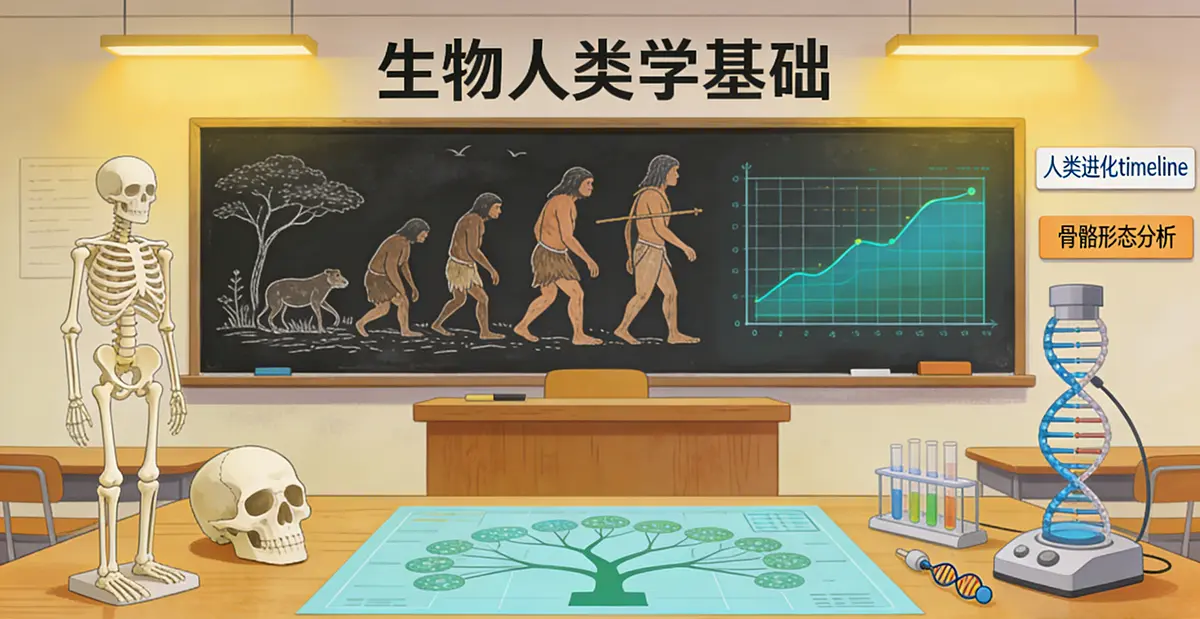
1. Introduction to the Biological Anthropology Major
The Biological Anthropology Major, also known as Physical Anthropology, is the discipline that studies human biology and evolution. Utilizing methods from biology, genetics, anatomy, and ecology, this Major explores human origins, evolutionary processes, genetic variation, physiological adaptation, and human-environment interactions. It focuses on understanding the changes in humans as a biological species across past, present, and future. Serving as a bridge between the natural sciences and the humanities/social sciences, the Biological Anthropology Major provides an evolutionary biological foundation for comprehending human diversity, health, and disease.
2. Core Curriculum for the Biological Anthropology Major
| Module Category | Core Courses |
| Foundational Biology & Evolution | General Biology, Genetics, Evolutionary Theory, Fundamentals of Biochemistry, Ecology |
| Anthropology Core | Introduction to Biological Anthropology, Human Evolution, Primatology (Behavior & Morphology), Human Variation & Adaptation, Human Osteology |
| Anatomy & Physiology | Human Anatomy (Comparative Focus), Human Physiology, Foundations of Neurobiology, Growth & Development |
| Research Methods & Techniques | Field Methods in Biological Anthropology, Anthropological Statistics, Skeletal Measurement & Analysis, Ancient DNA & Biomolecular Archaeology, 3D Modeling & Geometric Morphometrics |
| Specialized Fields | Forensic Anthropology, Paleopathology, Nutritional Anthropology, Human Biocultural Adaptation, Foundations of Medical Anthropology |
| Supporting Disciplines | Geology & Chronology, Foundations of Archaeology, Scientific Writing & Research Ethics |
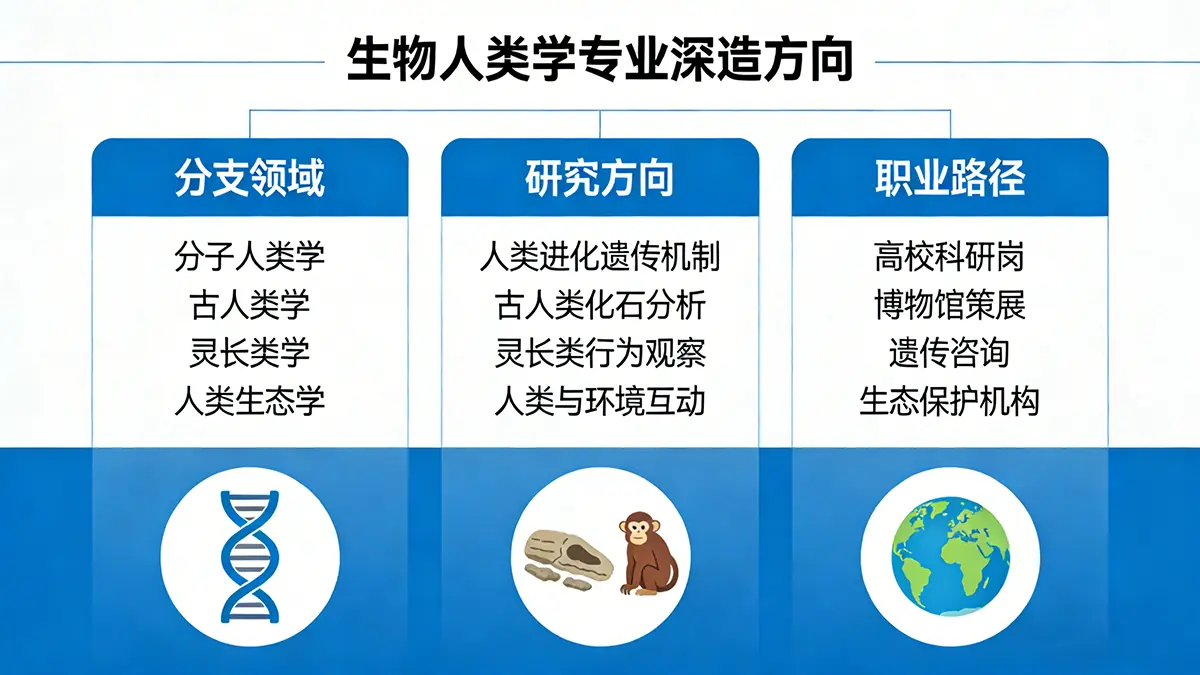
3. Advanced Study Pathways for the Biological Anthropology Major
PhD in Biological Anthropology/Human Evolutionary Biology: Conduct advanced research in paleoanthropology, primate behavioral ecology, human genetic variation, paleopathology, and related fields.
Master’s/PhD in Forensic Anthropology: Pursue professional certification (e.g., FEPAC-accredited) to practice as a forensic anthropologist.
Master’s in Genetics/Genomics: Specialize in modern or ancient human population genetics.
Master’s in Public Health/Epidemiology: Investigate diseases from an evolutionary perspective (evolutionary medicine).
Master’s in Museum Studies/Heritage Science: Manage and conduct research on anthropological collections.
Master’s in Data Science: Apply analytical methods to big data in biological anthropology.
Medicine/Dentistry: Provides a distinctive background for medical school applications (requires completing prerequisite courses).
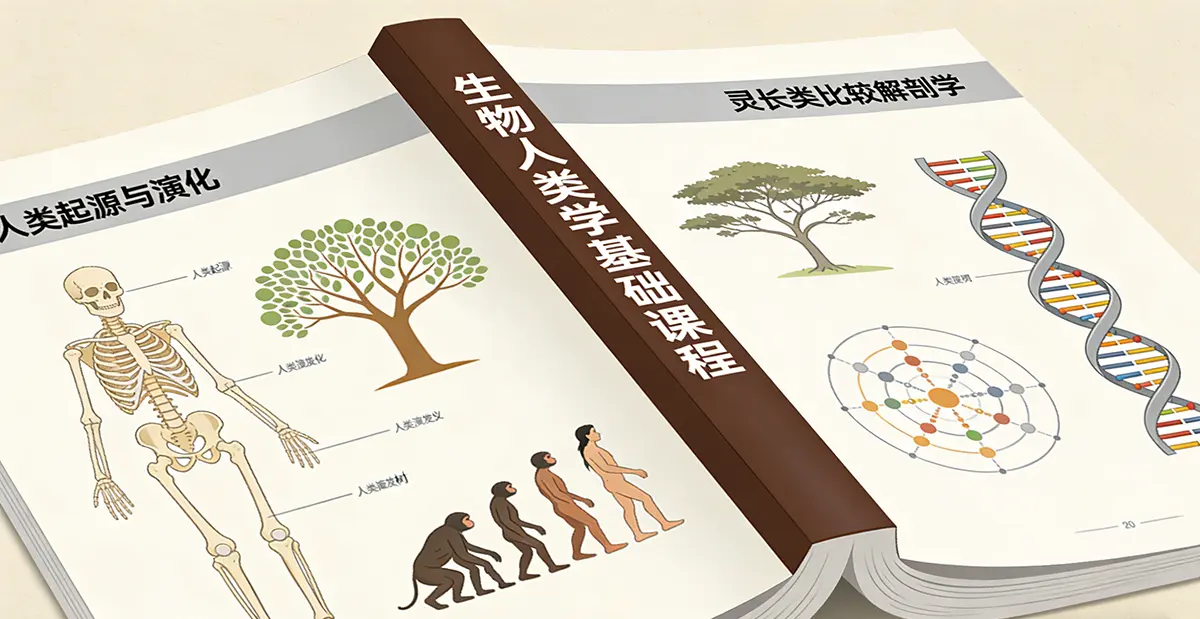
4. Career Pathways for the Biological Anthropology Major
| Core Employment Sectors | Typical Positions | Primary Responsibilities & Skill Application |
| Academic Research | Professor/Researcher, Museum Curator/Researcher | Conduct original research, teach, manage collections, curate exhibits, engage in public education. |
| Forensic Science & Public Safety | Forensic Anthropologist, Mass Disaster Victim Identification Specialist | Skeletal identification, cause-of-death/trauma analysis, disaster response for international organizations. |
| Cultural Heritage Management | Cultural Resource Manager, Government Human Remains Specialist | Handle, document, analyze, and ensure regulatory compliance for human remains during archaeological projects. |
| Applied Research & Industry | Researcher (Biotech/Pharma), Public Health Analyst, UX Researcher (Tech) | Apply population genetics and human bio-behavioral insights to product development, health policy, and user experience design. |
| Education | Science Museum Educator, Science Communicator, Teacher | Science interpretation, content creation, and instruction (with required credentials). |
5. Employment & Industry Trends for the Biological Anthropology Major
Employment Characteristics
Highly specialized and academic-oriented: Intense competition for limited academic and forensic positions.
High skill transferability: Strong training in biology, statistics, and data analysis enables transitions into bioinformatics, public health, and data science.
Experience and credentials are critical: Forensic roles require certification and case experience; academia demands a strong publication record.
Industry Trends
The ancient genomics revolution: Ancient DNA techniques reveal human history with unprecedented precision, creating interdisciplinary research roles.
Rise of evolutionary medicine: Applying evolutionary theory to understand “mismatch” diseases offers new preventive strategies.
Forensic science refinement: 3D scanning, GIS, and statistics enhance analysis precision and standardization.
Human-environment interaction studies: Research on how environmental stressors impact human biology.
Integration of data science and morphology: Geometric morphometrics and big data transform skeletal and dental research.
Ethics and community engagement: Collaboration with communities is now standard in human remains research.
6. Leading Global Institutions for the Biological Anthropology Major
| Country/Region | Representative Institutions (Leading Programs) |
| United States | Harvard University, University of Michigan, UC Davis, University of Washington, Pennsylvania State University |
| United Kingdom | University of Oxford, University of Cambridge, University College London, Durham University |
| Canada | University of Toronto, Simon Fraser University (Strong in Forensic Anthropology) |
| Germany | Max Planck Institute for Evolutionary Anthropology & affiliated universities |
| Australia | Australian National University, University of Adelaide (Strong in ancient DNA) |
| China | Institute of Vertebrate Paleontology & Paleoanthropology (CAS), Jilin University, Fudan University |
| Other | University of Copenhagen (Denmark), University of Cape Town (South Africa) |
DisciplineMajor Recommendations
Ideal Candidates for the Major
Possess a deep scientific curiosity about human origins and identity.
Combine “laboratory patience” with a “fieldwork spirit.”
Have strong interest and foundational knowledge in biology, genetics, and statistics.
Handle human remains with respect and ethical integrity.
Core Competencies of the Major
Precise identification and analysis of human skeletal and dental remains.
Evolutionary theoretical thinking and hypothesis-testing skills.
Proficiency in laboratory techniques and quantitative analysis.
Interdisciplinary integration of geological, archaeological, and genetic evidence.
Study Recommendations
Strengthen quantitative and biological foundations.
Gain early lab experience in fossil, osteological, or ancient DNA work.
Master core software (e.g., MorphoJ, R, 3D modeling).
Accumulate field experience through excavations.
Align preparation with career goals (e.g., certification for forensics, publications for academia).
Develop rigorous scientific communication skills for both academic and public audiences.
*Note: Program classification varies by institution.*
- The Previous Passage:Ecology(Ecol.)_生态学
- The Next Passage:Mathematics(Math)_数学

Human Geography Major_Geography(Geog.)_人文地理
The Human Geography Major explores the complex relationships between human activities and space, cul···

Atmospheric Sciences(Atmos. Sci.)_大气科学
Atmospheric science is the study of phenomena and evolutionary patterns within Earth's atmospher···
Earth Sciences(Earth Sci.)_地球科学
The Earth Science major focuses on studying the Earth system and its interactions, providing a scien···

Ocean Sciences(Ocean Sci.)_海洋科学
PbootCMS是全新内核且永久开源免费的PHP企业网站开发建设管理系统,是一套高效、简洁、 强悍的可免费商用的···

