

Ecology(Ecol.)_生态学
Time:2026-03-21 Visits:2
Ecology
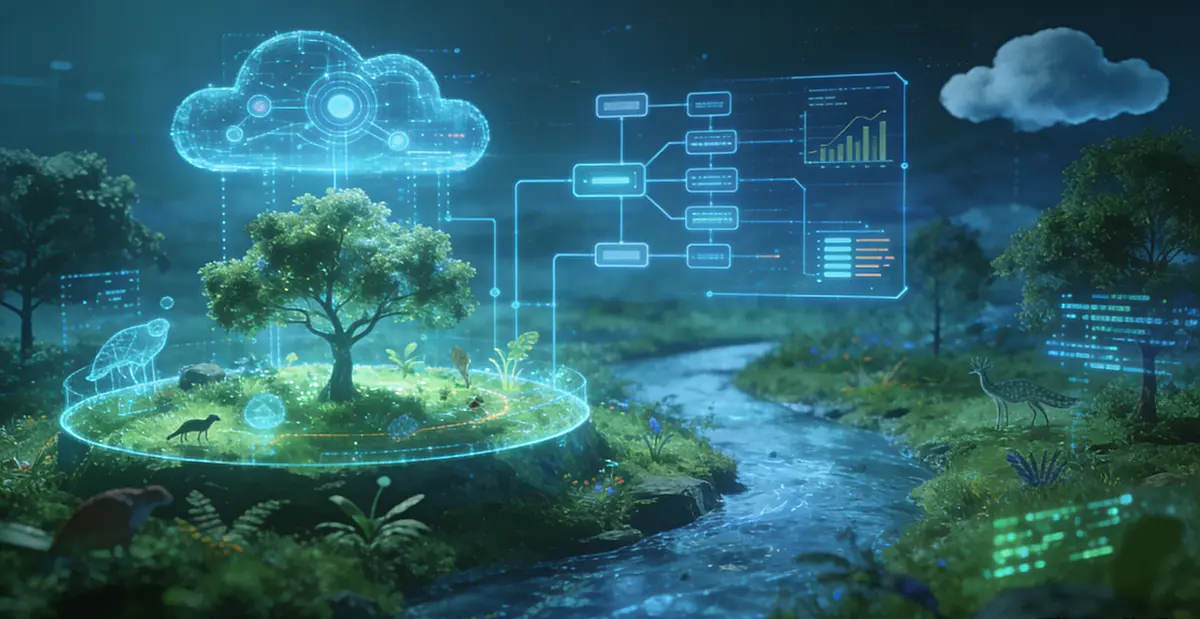
Ecology is the science that studies the “lifeblood” and “metabolism” of Earth's life systems. As ecological civilization construction becomes a national strategy, it is now facing unprecedented development opportunities. It concerns not only nature conservation but also serves as a key discipline providing scientific solutions for harmonious coexistence between humans and nature.
Introduction to the Ecology Major
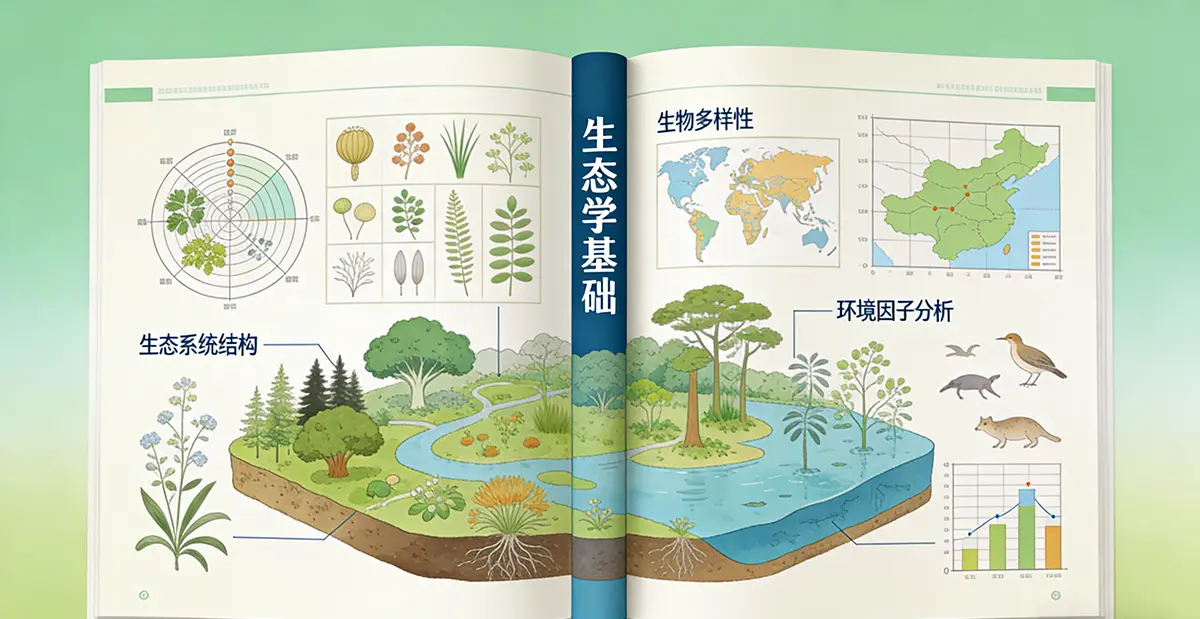
Ecology is the science that studies the relationships between organisms and their environment, between organisms themselves, and the structure, function, and dynamics of macro-level life systems. It provides the theoretical foundation and solutions for humanity to understand, protect, and utilize nature, serving as a vital scientific basis for ecological civilization construction. If we liken the Earth to a living organism, ecologists are the physicians conducting its health examinations—they study “vital signs” like air, water, and soil, diagnose environmental issues, and prescribe remedies for remediation.
Modern ecology expands its research scope to both macro and micro levels: macro-level studies extend from ecosystems to biogeochemistry and global ecology; micro-level research integrates molecular biology techniques across ecological scales, giving rise to new fields like molecular ecology and genomic ecology. Ecology maintains close connections with numerous disciplines including biology, geography, climatology and meteorology, soil science, environmental science, resource science, information and remote sensing technology, and mathematical sciences.
Core Courses in the Ecology Program
The ecology curriculum comprises a broad foundation in mathematics and physics, core theories across four major directions, and extensive field practice.
Mathematics and Foundational Courses: Calculus, Linear Algebra, Mathematical Statistics, University Physics, Inorganic Chemistry, Organic Chemistry, Analytical Chemistry, General Biology, Earth System Science, etc.
Core Specialized Courses:
- Biological Foundations: Plant Biology, Animal Biology, Microbial Biology, Genetics, Biochemistry, Cell Biology, Molecular Biology
- Core Ecology: Principles of Ecology, Plant Ecology, Animal Ecology, Microbial Ecology, Population Ecology, Community and Ecosystem Ecology
- Applied Ecology: Landscape Ecology, Global Change Ecology, Restoration Ecology, Conservation Biology, Pollution Ecology, Applied Ecology
Specialized and Technical Courses:
- Ecological Environment Monitoring and Evaluation
- Big Data Analysis in Ecology
- Bioinformatics
- Environmental Remote Sensing and GIS Technology
Distinctive Practical Components:
Ecology Laboratory, Comprehensive Biology Fieldwork, Intertidal Zone Biological Survey, Ecological Environment Monitoring Internship, Comprehensive Ecology Laboratory, etc. Some universities offer unique practical programs, such as Xiamen University's “Cognitive Ecology, Analytical Ecology, Exploratory Ecology” research-based learning courses.
Advanced Study Pathways for Ecology Majors
Pursuing advanced studies after undergraduate graduation is the mainstream choice (postgraduate admission rates generally range from 50% to 75%). Research directions can be categorized into traditional fields and emerging interdisciplinary areas:
Fundamental Ecology: Population and Community Ecology, Ecosystem Ecology, Evolutionary Ecology, Behavioral Ecology, Theoretical Ecology
Applied Ecology:
- Restoration Ecology: Pollution Ecology and Ecological Restoration, Degraded Ecosystem Recovery
- Conservation Biology: Biodiversity Conservation, Endangered Species Management, Nature Reserve Planning
- Agroecology: Agricultural ecological conservation, ecological agriculture planning, agroforestry management
Distinctive Areas:
- Marine/Wetland Ecology: Focusing on interactions between coastal wetland ecosystems (e.g., mangroves) and global change
- Global Change Ecology: Impacts and feedbacks of climate change on ecosystems
- Urban Ecology: Urban ecological conservation and management
Emerging Interdisciplinary Areas:
- Sustainable Ecology: Coupling issues between nature, society, and economy
- Molecular Ecology: Application of molecular biology techniques in ecology
- Ecological Big Data: AI-driven ecological modeling and ecological informatics
Career Pathways and Positions for Ecology Majors
Ecology graduates enjoy broad employment prospects, with undergraduate employment rates consistently exceeding 92%-96%. China faces a talent shortage of 600,000 professionals in environmental protection industries, while civil service recruitment for ecological positions has surged 120% over three years.
Research & Educational Institutions (Primary Pathway for Advanced Studies)
- Positions: Researcher, Assistant Professor, Laboratory Technician, Doctoral Student
- Description: Pursue advanced studies or work at institutions such as the Chinese Academy of Sciences (Research Center for Eco-Environmental Sciences, Institute of Botany), Chinese Research Academy of Environmental Sciences, or ecology departments at major universities.
Government/Public Institutions (Stable Career Path)
- Positions: Ecological Environment Monitor, Natural Resource Administrator, Civil Servant at Environmental Protection Bureau/Forestry Bureau/Agriculture Bureau, Nature Reserve Manager
- Description: Engage in operational and managerial roles at environmental protection bureaus, forestry bureaus, agriculture bureaus, urban-rural planning bureaus, and ecological environment monitoring centers at all levels
Environmental Protection/Consulting Firms (Primary Destination)
- Positions: Environmental Impact Assessment Engineer, Ecological Restoration Technician, Environmental Monitoring Analyst, Environmental Protection Consultant
- Description: Perform technical work at environmental monitoring companies, ecological conservation enterprises, and planning and design institutes
Natural Resource Management
- Positions: Protected Area Managers, Wetland Conservation Officers, Wildlife Conservation Specialists
- Description: Engaged in conservation management at nature reserves, national parks, wetland parks, and similar institutions
Emerging Green Industries
- Positions: Carbon Asset Managers, Carbon Neutrality Consultants, Ecological Planning Designers
- Description: High demand in emerging fields like carbon trading and carbon consulting, driven by China's “dual carbon” strategy
Ideal Candidates for Ecology Majors
If you possess the following traits, this field may be an excellent fit for you:
1. Genuine passion for nature: Curiosity about flora, fauna, and natural phenomena; enjoyment of outdoor activities; willingness to engage in field-based learning.
2. Subject-specific strengths: Strong performance in biology and geography; interest and foundation in mathematics, physics, and chemistry (requires mathematical modeling skills; recommended math score ≥ 100/150).
3. Hands-on practical skills: Enthusiasm for experiments and fieldwork; ability to endure hardship.
4. Patience and observational skills: Ability to calmly observe animal/plant behavior, document ecological phenomena, and demonstrate meticulous attention to detail.
5. Idealistic spirit: Desire to contribute to environmental conservation and strive to make the Earth a better place through personal effort.
6. Broad perspective and vision: Understanding the strategic importance of ecological civilization development, coupled with a sense of urgency and mission.

Core Competencies of Ecology Majors
The core competitiveness of the Ecology major lies in its systematic thinking and cross-disciplinary integration capabilities:
Multi-scale systems thinking: Analyze problems holistically across individual, population, community, ecosystem, and landscape levels to understand the overall functioning of complex ecosystems.
Field practice and observation skills: Possess solid field survey, sample collection, and species identification abilities to identify scientific questions from firsthand data.
Data Analysis and Modeling Skills: Proficient in applying statistics, GIS, remote sensing, and big data methods to process ecological data and construct ecological models.
Interdisciplinary Knowledge Integration: Capable of synthesizing knowledge from biology, geography, climatology, chemistry, and other fields to address complex ecological and environmental challenges.
Strategic Vision for Ecological Civilization: Understanding of national ecological civilization development strategies, coupled with a global perspective and sense of responsibility for participating in international environmental governance.
Leading Institutions Worldwide
Ecology boasts robust research capabilities at many top universities globally. According to the 2025 Shanghai Ranking's Global Top Disciplines, the following institutions lead in this field:
United Kingdom
- Global Top Representatives: University of Oxford, University of Exeter, University College London, University of Cambridge, Imperial College London
- Other Strong Institutions: Lancaster University, University of Manchester, University of Sheffield, University of Bristol, University of Edinburgh
United States
- Global Top Representatives: University of California, Davis; University of Florida; University of California, Berkeley; Yale University; University of Minnesota Twin Cities
- Other Strong Institutions: Cornell University, Harvard University, University of Washington, University of Wisconsin-Madison, University of Michigan-Ann Arbor, Stanford University
Netherlands
- Global Top Representatives: Wageningen University
- Other Strong Institutions: Utrecht University
Canada
- Global Top Representatives: University of British Columbia, University of Toronto
- Other Strong Institutions: University of Alberta, McGill University
Australia
- Global Top Representatives: University of Queensland, James Cook University
- Other Strong Institutions: University of New South Wales, University of Western Australia, University of Tasmania, Australian National University, University of Western Sydney
Switzerland
- University of Zurich, ETH Zurich, University of Bern
China
- Top Institutions: Peking University, Beijing Normal University, Lanzhou University
- Other Strong Institutions: East China Normal University, Sun Yat-sen University, Xiamen University, Zhejiang University, China Agricultural University, Fudan University, Nanjing Agricultural University, Northwest A&F University, Nanjing Forestry University, Northeast Normal University, Tsinghua University
- Finland: University of Helsinki
- France: University of Montpellier, Université Paris-Saclay, Sorbonne University
- Germany: University of Göttingen, Technical University of Munich, University of Freiburg
- Denmark: Aarhus University, University of Copenhagen
- Sweden: Swedish University of Agricultural Sciences, Lund University, Stockholm University
- Brazil: University of São Paulo
Recommended Learning Path for Ecology Majors
1. Build a Solid Foundation (Freshman and Sophomore Years): Focus on core mathematics, physics, chemistry, and biology fundamentals. Master advanced mathematics, statistics, chemistry, and general biology—these form the bedrock for subsequent courses. Simultaneously, become proficient in GIS and data analysis tools (such as R/Python) starting in freshman year; this is crucial for future studies and research. Participate in field studies and internships to cultivate observational skills and sensory awareness of nature.
2. Build Your Professional Framework (Sophomore–Junior Years): Delve into core courses like Principles of Ecology, Plant Ecology, Animal Ecology, and Landscape Ecology to develop a holistic understanding of ecosystems. Through practical components such as ecology experiments and comprehensive field internships, gain hands-on experience operating instruments and collecting samples to bridge theory with practice.
3. Focus and Deepen (Junior and Senior Years): Select advanced electives aligned with personal interests (e.g., theoretical vs. applied research, terrestrial vs. marine/wetland ecology), such as Global Change Ecology, Restoration Ecology, Conservation Biology, or Ecological Big Data Analysis. Aim to join a faculty research group, participate in specific projects (e.g., the “Undergraduate Innovation and Entrepreneurship Training Program”), and pursue paper publications or competitions (e.g., the National College Students Life Science Competition).
4. Future Planning (Throughout):
Pursuing Research: Monitor summer programs at institutions like the Chinese Academy of Sciences' Research Center for Eco-Environmental Sciences, Institute of Botany, and universities. Build a strong academic foundation to secure direct admission to graduate programs or prepare for entrance exams. Ecology programs typically have high admission rates (50%-75%); prepare early for English and specialized subjects.
Practical Orientation: During winter/summer breaks, secure internships at local or target-city environmental bureaus, environmental monitoring centers, or nature reserves to understand real-world workflows.
Embrace Emerging Fields: Self-study machine learning and deep learning courses. Experiment with AI models to solve ecological problems (e.g., species identification, ecosystem modeling). This enhances competitiveness for high-tech environmental companies.
Expand Global Perspective: Actively pursue overseas exchange programs and international joint research expeditions to improve English proficiency and broaden international horizons.
- The Previous Passage:Life Sciences(Life Sci.)_生命科学
- The Next Passage:Biological Anthropology(Biol. Anthrop.)_生物人类学
Human Geography Major_Geography(Geog.)_人文地理
The Human Geography Major explores the complex relationships between human activities and space, cul···

Atmospheric Sciences(Atmos. Sci.)_大气科学
Atmospheric science is the study of phenomena and evolutionary patterns within Earth's atmospher···

Earth Sciences(Earth Sci.)_地球科学
The Earth Science major focuses on studying the Earth system and its interactions, providing a scien···
Ocean Sciences(Ocean Sci.)_海洋科学
PbootCMS是全新内核且永久开源免费的PHP企业网站开发建设管理系统,是一套高效、简洁、 强悍的可免费商用的···

