

Biological Engineering(Biol. Eng.)_生物工程
Time:2026-05-08 Visits:1
Bioengineering Major
Bioengineering Major is an interdisciplinary field that integrates theoretical knowledge from the life sciences with the principles and techniques of modern engineering. It utilizes living organisms or their components—such as cells, enzymes, and antibodies—to design, produce, and modify products that address major challenges humanity faces in healthcare, agriculture, the environment, and energy.
If nanotechnology “builds” materials at the microscopic scale, then bioengineering ‘programs’ and “utilizes” life systems at the molecular and cellular levels.
Bioengineering Major Overview: Harnessing Life Systems to Address Human Challenges
At its core, bioengineering leverages the unique functions of living organisms, engineering and scaling them for practical applications. It transcends mere study of life to actively “modify” and “utilize” it. The discipline spans cutting-edge life science research—such as gene editing and synthetic biology—to large-scale industrial processes like bioreactor design and biological separation/purification.
Its core missions include:
- Understanding and Design: Grasping how biological systems function at the molecular level and rationally designing them (e.g., modifying enzyme activity, designing new metabolic pathways).
- Construction and Optimization: Building artificial biological systems (e.g., engineered bacteria) and optimizing their performance to efficiently produce target products (e.g., drugs, fuels, materials).
- Scaling and Application: Translating laboratory discoveries into industrial-scale production processes for application in healthcare, agriculture, environmental protection, and other fields.
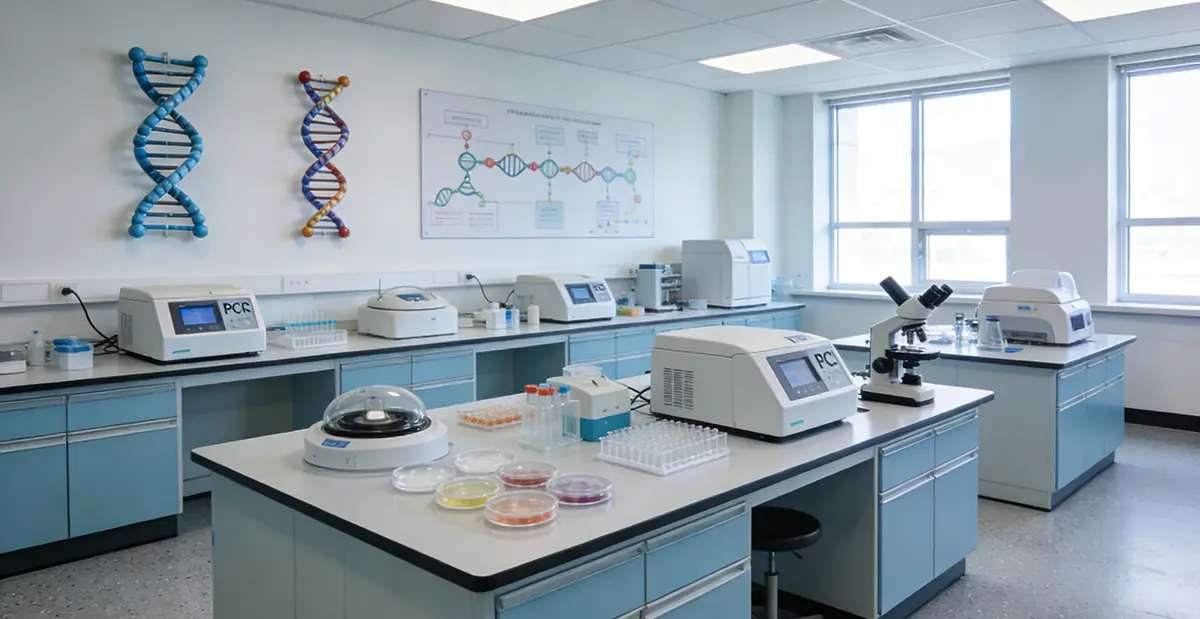
Core Courses at International Institutions
The bioengineering curriculum emphasizes a “broad foundation and versatile expertise,” requiring students to possess both solid life science theory and robust engineering practical skills.
| Course Stage | Core Course Examples | Learning Objectives |
| Life Science Fundamentals | Biochemistry, Molecular Biology, Cell Biology, Microbiology, Genetics | Deepen understanding of fundamental principles of life processes; master experimental techniques for manipulating biomolecules and cells. |
| Engineering Science Core | Chemical Engineering Principles, Engineering Mechanics, Thermodynamics, Fluid Mechanics, Fundamentals of Materials Science | Build a solid engineering foundation and learn to analyze and solve engineering problems in the physical world. |
| Bioengineering Core | Bioreaction Engineering, Bioprocess Separation Engineering, Metabolic Engineering and Synthetic Biology, Bioprocess Analysis | Master core theories and technologies for scaling up biological processes, and learn to design, control, and optimize biological production processes. |
| Frontiers and Applications | Tissue Engineering and Regenerative Medicine, Introduction to Biomedical Engineering, Biopharmaceutical Engineering, Biosensors, Environmental Bioengineering | Explore cutting-edge applications of bioengineering across healthcare, pharmaceuticals, and environmental fields. |
| Tools and Practice | Bioinformatics, Python/R Programming, Experimental Design and Data Analysis, Bioengineering Laboratory | Acquire essential data analysis, computational modeling, and experimental skills for modern bioengineering research. |
Advanced Study Pathways in Bioengineering Major
Bioengineering stands as one of the most dynamic fields for innovation within life sciences, offering highly diversified research directions at the master's or doctoral level:
- Biopharmaceutical Engineering: Focuses on cell line development, upstream fermentation process development, downstream purification process development, formulation, and quality control for biopharmaceuticals (e.g., antibodies, vaccines, gene therapy vectors).
- Metabolic Engineering and Synthetic Biology: Reprogramming microbial metabolic networks (e.g., E. coli, yeast) using gene editing tools to create “cellular factories” producing specific chemicals, fuels, or materials.
- Tissue Engineering and Regenerative Medicine: Combining cells, biomaterials, and engineering principles to construct artificial tissues in vitro for repairing or replacing damaged organs/tissues (e.g., artificial skin, blood vessels).
- Biomedical Engineering: Focuses on developing medical devices and instruments for disease diagnosis, treatment, and prevention, such as artificial joints, pacemakers, and medical imaging equipment.
- Bioprocess Engineering: Concentrates on designing, scaling up, and optimizing bioreactors, along with developing downstream separation and purification technologies to enhance the efficiency and cost-effectiveness of biological processes.
- Environmental Bioengineering: Utilizes microorganisms or plants to remediate contaminated soil and water bodies, develops biomass energy conversion technologies, and achieves resource recovery from waste materials.
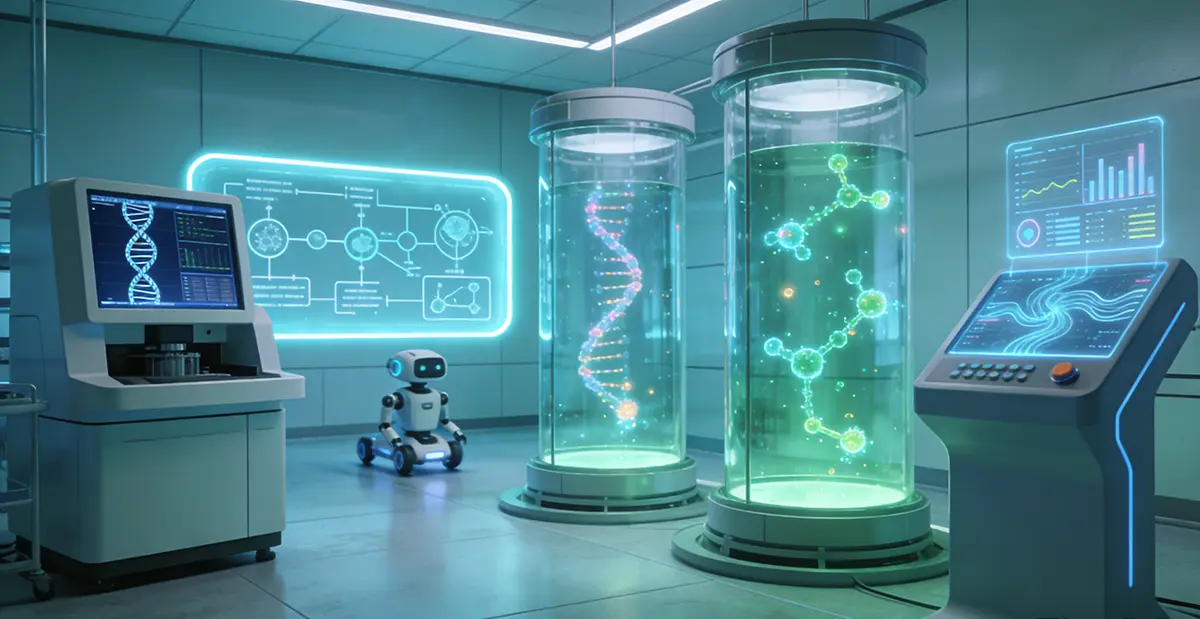
International Career Paths and Positions
Graduates with degrees in Bioengineering enjoy broad employment prospects, particularly in regions with highly developed biopharmaceutical industries where talent demand remains consistently strong.
| Industry Sector | Common Positions | Brief Job Responsibilities |
| Biopharmaceuticals & Biotechnology | Process Development Scientist/Engineer, Cell Culture Scientist, Purification Scientist, Quality Control/Quality Assurance Analyst | At companies like Roche, Novartis, Pfizer, and Amgen, develop and optimize production processes for biologics to ensure product quality and safety. |
| Medical Devices & Diagnostics | R&D Engineer, Application Scientist, Biocompatibility Engineer | Participate in the development, testing, and clinical registration of novel medical devices or in vitro diagnostic reagents at companies like Medtronic, Johnson & Johnson, and Abbott. |
| Research & Academia | Postdoctoral Researcher, University Professor, Core Facility Technical Specialist | Conduct cutting-edge basic or applied research at universities or research institutes. |
| Food & Agri-Tech | Fermentation Engineer, Food R&D Engineer, Alternative Protein Scientist | Develop novel foods and alternative proteins using fermentation technology at companies like Beyond Meat and Impossible Foods. |
| Environment & Energy | Environmental Engineer, Bioenergy Researcher, Waste Treatment Engineer | Develop bioremediation technologies to address environmental pollution or produce fuels from biomass. |
| Government & Regulatory Agencies | Regulatory Affairs Specialist, Scientific Reviewer, Policy Analyst | Review and approve new biotechnologies and products at agencies like the FDA or EMA. |
| Consulting & Investment | Life Sciences Consultant, Venture Capital Analyst | Provide strategic consulting to biotech companies or evaluate investment potential in cutting-edge biotechnologies. |
Global Employment Rates and Trends
Employment Rate: Bioengineering maintains robust and high employment rates worldwide. Demand for biologists with engineering expertise is particularly strong in regions with advanced biopharmaceutical industries like the U.S., Europe, and China. According to U.S. Bureau of Labor Statistics data, bioengineers and related occupations are projected to grow at a rate above the national average over the next decade.
Industry Trends:
- Synthetic Biology Boom: Synthetic biology is transitioning from an academic concept to large-scale industrialization. Engineered microorganisms are reshaping multiple industries by producing diverse products ranging from pharmaceuticals and cosmetics to textiles and food.
- Continuous Biomedical Innovation: Next-generation therapies like cell therapy (CAR-T), gene therapy, and mRNA vaccines are flourishing, creating significant demand for engineers capable of developing scalable, low-cost production processes.
- Automation and AI Empowerment: Bioengineering is undergoing profound transformation through high-throughput automation and artificial intelligence. AI-assisted protein design and automated experimental platforms (cloud labs) are dramatically accelerating R&D processes.
- Sustainability and Circular Economy: Replacing petrochemicals with biomanufacturing and developing biodegradable materials represent critical strategies for addressing climate change and environmental pollution.
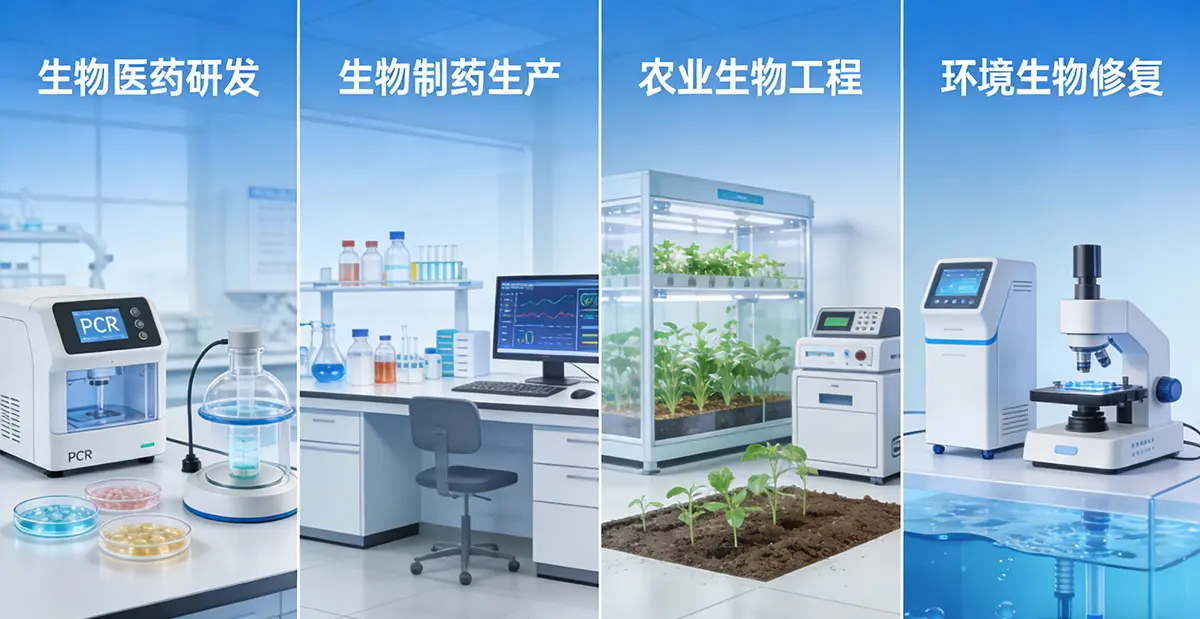
Ideal Candidates for Bioengineering Major and Core Competencies
If you possess these traits, you may thrive in bioengineering:
- Strong interdisciplinary curiosity: Unsatisfied with studying biology or engineering alone, you seek to create new value at their intersection.
- Solid hands-on lab skills: Passionate about laboratory work, enjoying hands-on use of pipettes, microscopes, and bioreactors, with meticulous observation and documentation.
- Systems thinking and engineering mindset: Able to view biological systems as processes requiring optimization and scale-up, understanding the challenges of translating lab discoveries to industrial production.
- Deep fascination with life sciences: Curious about how DNA, proteins, and cells function, and driven to leverage this knowledge for human benefit.
Core Competency: Your core value lies in the “ability to engineer life”—applying engineering principles to transform cutting-edge life science discoveries into scalable, stable, and controllable products, processes, or systems that solve real-world problems.
Leading Institutions Worldwide
(Selected Schools - Listed in no particular order)
Bioengineering is typically housed within engineering schools and closely intertwined with biomedical engineering and chemical engineering. Leading global institutions include:
| Country/Region | Representative Institutions |
| United States | Massachusetts Institute of Technology, Stanford University, University of California, Berkeley, University of California, San Diego, Johns Hopkins University, Georgia Institute of Technology |
| United Kingdom | Imperial College London, University of Cambridge, University of Oxford, University College London, University of Manchester |
| Continental Europe | ETH Zurich, Delft University of Technology, Technical University of Denmark |
| Singapore | National University of Singapore, Nanyang Technological University |
| China | Tsinghua University, Shanghai Jiao Tong University, Zhejiang University, East China University of Science and Technology, Jiangnan University |
| Canada | University of Toronto, University of British Columbia, McGill University, University of Waterloo |
Recommended Pathways for Bioengineering Major
1. Undergraduate Stage: Build a Solid Foundation and Explore Broadly
- Core: Master both life science fundamentals (biochemistry, molecular biology) and engineering fundamentals (chemical engineering principles, thermodynamics). These form the two pillars of your future development—neither can be neglected.
- Practical Experience: Gain early laboratory exposure to authentic research processes. Through course projects and internships, explore bioengineering applications across pharmaceuticals, food processing, environmental protection, and other industries to identify your interests.
2. Master's Level: Specialize and Enhance Technical Skills
- Objective: Align with your career path (industry or academia) by selecting a specific focus area (e.g., biopharmaceuticals, synthetic biology) for in-depth study. Master a core engineering software (e.g., Aspen Plus, COMSOL) or bioinformatics programming skills (Python/R).
- Advancement: For industry, complete a full internship at a major biopharmaceutical company to understand GMP regulations and production workflows. For academia, commit to high-quality master's research.
3. PhD & Postdoc: Challenge Scientific Frontiers, Become a Domain Expert
- Positioning: If you are passionate about exploring uncharted scientific questions and aspire to become a top expert in a specialized field (e.g., novel gene editing tool development, microbial synthesis of complex natural products), the doctoral phase is the critical pathway to achieving this goal.
- Future: Bioengineering PhDs are highly sought-after core talents by R&D centers in biotechnology companies, frontier exploration departments in large pharmaceutical firms, and national key laboratories. They not only solve today's engineering challenges but also pioneer the biotechnologies of tomorrow.
- The Previous Passage:Biochemical Engineering(Biochem. Eng.)_生化工程
- The Next Passage:Biomedical Engineering(Biomed. Eng.)_生物医学工程

Human Geography Major_Geography(Geog.)_人文地理
The Human Geography Major explores the complex relationships between human activities and space, cul···

Atmospheric Sciences(Atmos. Sci.)_大气科学
Atmospheric science is the study of phenomena and evolutionary patterns within Earth's atmospher···

Earth Sciences(Earth Sci.)_地球科学
The Earth Science major focuses on studying the Earth system and its interactions, providing a scien···
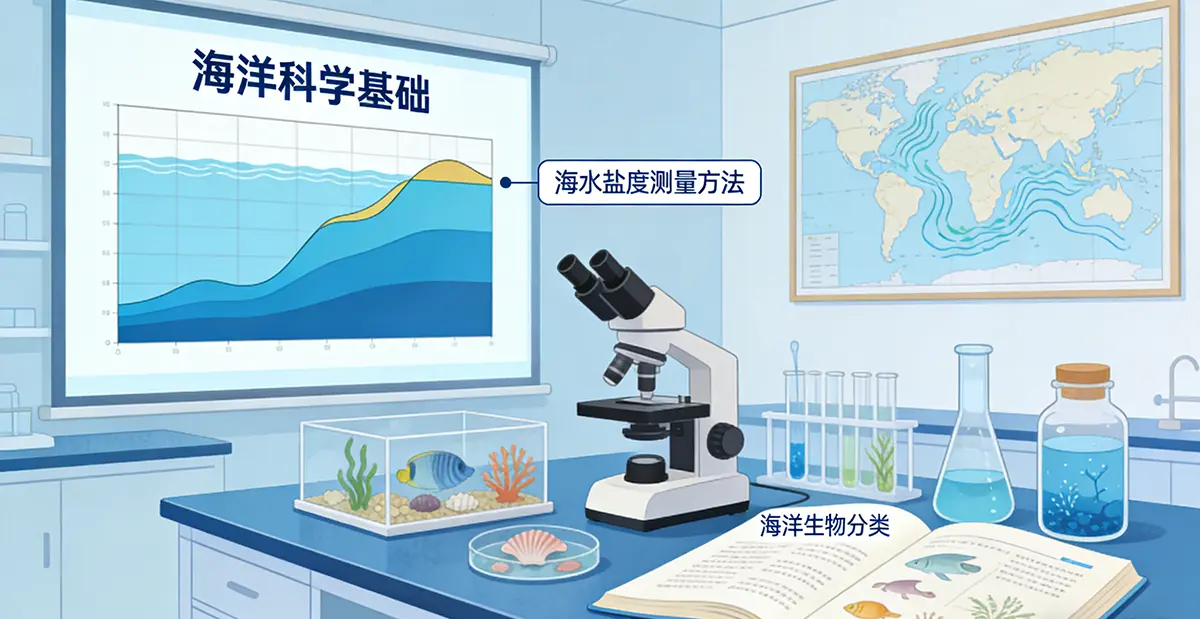
Ocean Sciences(Ocean Sci.)_海洋科学
PbootCMS是全新内核且永久开源免费的PHP企业网站开发建设管理系统,是一套高效、简洁、 强悍的可免费商用的···

