

Energy Science and Engineering(Energy Sci. Eng.)_能源科学与工程
Time:2026-05-01 Visits:2
Energy Science and Engineering Major
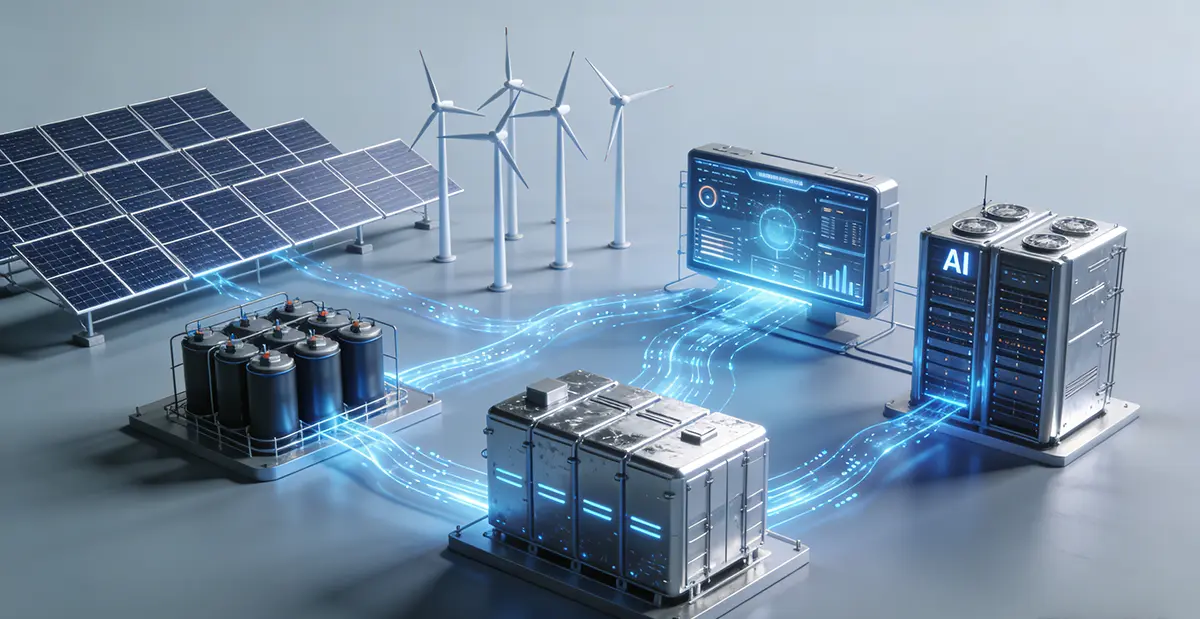
Energy science and engineering serves as the lifeblood sustaining modern civilization. In 2026, as carbon neutrality and energy transition become global consensus, it is undergoing profound transformations: shifting from fossil fuels to renewable energy, transitioning from centralized to distributed systems, and evolving from single-system approaches to multi-energy complementary systems.
Introduction to the Energy Science and Engineering Major
Energy Science and Engineering is a comprehensive engineering discipline that studies the development, conversion, transmission, storage, utilization, and management of energy. It spans the entire energy chain—from the efficient and clean utilization of traditional fossil fuels (coal, oil, natural gas) to the development of new energy sources (solar, wind, hydro, nuclear, biomass, geothermal), as well as energy system optimization, energy storage technologies, and energy conservation and carbon reduction.
If modern industrial society is likened to an organism, the energy system serves as its “circulatory system”—continuously supplying power to all sectors. Driven by the 2026 “carbon neutrality” goal, the global energy structure is undergoing fundamental transformation. Consequently, Energy Science and Engineering has evolved from traditional power engineering and thermal engineering into an interdisciplinary frontier field integrating materials, information, environment, and economics.
International Perspective on Disciplinary Characteristics: Energy science and engineering varies in focus across nations. European countries (e.g., Germany, Denmark) lead in renewable energy and energy efficiency technologies; the United States excels in clean fossil energy, nuclear power, and energy materials; China rapidly advances in new energy equipment manufacturing, grid technology, and energy storage; while Middle Eastern nations concentrate on solar energy and desalination. This is a highly internationalized discipline closely aligned with national strategies.
Core Curriculum at International Institutions
Energy programs at top global universities emphasize “broad scope, strong foundations, and interdisciplinary depth,” typically adopting a modular structure of “core fundamentals + specialized tracks + integrated practice.” The curricula at the Technical University of Denmark and Imperial College London exemplify this approach:
Core Foundational Modules:
- Mathematical and Scientific Foundations: Advanced Mathematics, Numerical Methods, Physical Chemistry, Thermodynamics, Fluid Mechanics
- Engineering Science Foundations: Materials Science Fundamentals, Electrical & Electronics Engineering, Automatic Control Principles, Heat Transfer
Specialized Core Modules:
- Energy Conversion: Thermal Power Generation, Renewable Energy Systems (Solar/Wind/Biomass), Nuclear Engineering Fundamentals, Fuel Cells & Hydrogen Energy
- Energy Transmission & Storage: Power Grids & Smart Grids, Energy Storage Technologies (Batteries/Pumped Storage/Hydrogen Storage), Energy Transportation
- Energy Systems and Management: Energy Systems Analysis, Energy Economics, Energy Policy and Planning, Environmental Impact Assessment
- Sustainability and Energy Efficiency: Building Energy Efficiency, Industrial Energy Efficiency, Carbon Capture, Utilization, and Storage (CCUS), Life Cycle Analysis
Distinctive Frontier Modules (Imperial College London example):
- Sustainable Energy Systems: System-level optimization integrating multiple energy technologies
- Nuclear Engineering: Fission and Fusion Technologies, Nuclear Safety, Radioactive Waste Management
- Energy Technology and Policy: Cross-disciplinary perspectives on technology and policy
- Data-Driven Energy: Energy big data, AI applications in energy systems
Integrated Practice Modules:
- Design Projects: Interdisciplinary team design, e.g., microgrid planning, renewable energy plant design
- Laboratory Practice: Research in leading laboratories (e.g., Imperial's Energy Future Lab)
- Industry Internships: Collaborative projects or internships with energy enterprises
Advanced Study Directions in Energy Science and Engineering Major
Research areas at the master's and doctoral levels are highly specialized and cutting-edge, primarily covering:
Clean Energy Conversion from Traditional Sources:
- Efficient Clean Utilization of Fossil Fuels: Ultra-supercritical power generation, Integrated Gasification Combined Cycle (IGCC), coal chemical engineering
- Carbon Capture, Utilization, and Storage (CCUS): Pre/post-combustion capture, direct air capture, CO₂ mineralization and utilization
- Advanced combustion technologies: Oxy-fuel combustion, chemical looping combustion, turbulent combustion simulation
Renewable Energy Technologies:
- Solar energy: Photovoltaic materials and devices, solar thermal power generation, perovskite cells, concentrated photovoltaics
- Wind Energy: Large-scale turbine design, offshore wind foundations, wind farm optimization, floating wind turbines
- Biomass Energy: Biomass conversion (thermochemical/biochemical), biofuels, biorefining
- Geothermal Energy: Enhanced Geothermal Systems (EGS), geothermal power generation, ground source heat pumps
- Hydro and Ocean Energy: Tidal energy, wave energy, tidal current energy
Energy Storage and Hydrogen:
- Electrochemical Energy Storage: Lithium-ion Batteries, Solid-State Batteries, Sodium-Ion Batteries, Flow Batteries
- Hydrogen & Fuel Cells: Green Hydrogen Production (Electrolysis), Hydrogen Storage Materials, Fuel Cell Systems, Hydrogen Gas Turbines
- Physical Energy Storage: Pumped Storage, Compressed Air Energy Storage, Flywheel Energy Storage
- Thermal Energy Storage: Phase Change Materials, Molten Salt Thermal Storage
Nuclear Engineering:
- Advanced Nuclear Fission: Generation IV reactors, Small Modular Reactors (SMR), accident-tolerant fuels
- Nuclear Fusion: Magnetic Confinement Fusion (Tokamak), Inertial Confinement Fusion, ITER Project
- Nuclear Safety and Waste Management: Nuclear Safety Culture, Accident Analysis, Radioactive Waste Disposal
Energy Systems and Digitalization:
- Smart Grids and Microgrids: Grid Stability, Demand Response, Virtual Power Plants
- Energy Internet: Multi-energy complementarity, integrated energy systems, energy routers
- AI and Energy Big Data: Load forecasting, fault diagnosis, optimized dispatch
- Energy Economics and Policy: Energy market design, carbon pricing, energy security analysis

International Career Paths and Positions
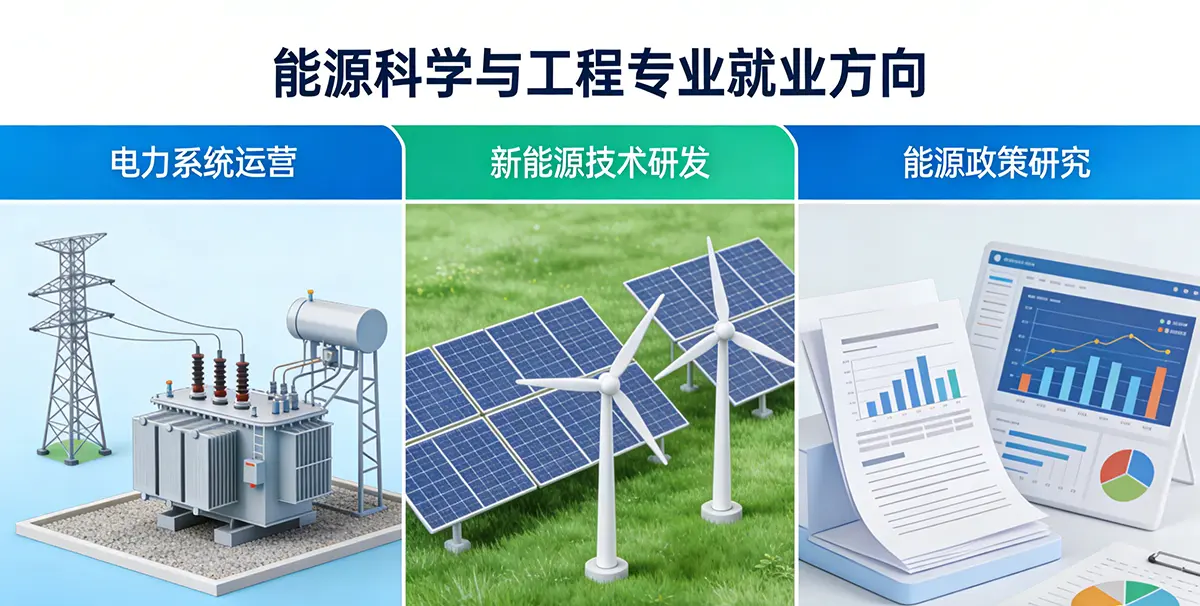
Graduates in Energy Science and Engineering are in high demand globally, spanning a wide range of sectors from traditional energy giants to new energy technology companies.
Core Employment Sectors:
| Sector | Typical Employers | Representative Positions |
| International Energy Giants | Shell, Total, ExxonMobil, BP | Energy Engineer, Carbon Management Specialist, Project Development Manager |
| New Energy Enterprises | Vestas (Wind), Ørsted (Offshore Wind), First Solar (PV) | Renewable Energy Engineer, System Designer, Project Engineer |
| Power & Utilities | State Grid, E.ON, Enel, Tokyo Electric Power | Grid Planning Engineer, Energy Storage System Engineer, Demand Side Management Specialist |
| Energy Technology & Equipment | Siemens Energy, GE Vernova, Mitsubishi Heavy Industries | Gas Turbine Engineer, Wind Power Design Engineer, Hydrogen Equipment R&D |
| Energy Storage & Batteries | CATL, BYD, LG Energy Solution, Tesla | Battery R&D Engineer, Energy Storage System Integrator, BMS Engineer |
| Nuclear Energy | EDF, Westinghouse Electric, CNNC | Nuclear Engineer, Nuclear Safety Analyst, Radiation Protection Engineer |
| Consulting & Finance | McKinsey Energy Consulting, Energy Foundation, International Energy Agency | Energy Analyst, Policy Advisor, Project Finance Analyst |
| International Organizations/Government | International Renewable Energy Agency (IRENA), United Nations, National Energy Ministries | Energy Policy Officer, Program Officer |
Representative Global Positions (Based on Latest Industry Data):
1. Renewable Energy Engineer: Designs, develops, and optimizes solar, wind, and other renewable energy projects; conducts resource assessments, technology selection, and performance analysis
2. Energy Storage Systems Engineer: Responsible for integrated design, control strategy development, and performance optimization of energy storage systems to ensure safe and efficient operation
3. Hydrogen Engineer: Engages in full-chain technology development for green hydrogen production, storage, transportation, and application, including electrolyzer design and fuel cell system integration
4. Nuclear Engineer: Participates in nuclear power plant design, operational support, safety analysis, and nuclear fuel cycle management
5. Energy Systems Analyst: Utilizes models and data analytics tools to plan, optimize, and evaluate policies for regional or national energy systems
6. Carbon Management Specialist: Provides professional services including carbon footprint accounting, emissions reduction pathway design, and carbon asset management for enterprises
7. Energy Efficiency Engineer: Delivers energy conservation diagnostics, technical solutions, and efficiency enhancement services for industrial, building, and transportation sectors
Salary Levels (International Reference):
- United States: Median annual salary for Energy Engineers approx. $80,000–110,000; Nuclear Engineers approx. $105,000; Petroleum Engineers $130,000+
- Europe: Germany: Starting salary for Energy Engineers approx. €45,000–55,000; Senior engineers can reach €70,000–90,000
- Australia: Renewable energy engineers have a median annual salary of $100,000–120,000 AUD
- China: Master's graduates in new energy fields start at approximately ¥150,000–250,000/year; higher salaries in high-demand areas like energy storage and hydrogen energy
Global Employment Rates and Industry Trends
Employment Rates and Talent Shortages:
- The energy transition is creating substantial job opportunities. According to the International Renewable Energy Agency (IRENA), global renewable energy employment reached 16.2 million in 2023 and is projected to exceed 30 million by 2030.
- The European Wind Energy Association forecasts that Europe's offshore wind sector alone will grow from 80,000 to over 200,000 employees by 2030
- In the U.S., energy engineer positions (excluding nuclear) are projected to grow 5% from 2022 to 2032, exceeding the average for all occupations
Industry Development Trends:
1. Carbon neutrality drives energy revolution: Over 130 countries have set carbon neutrality targets. Achieving this requires shifting energy systems from fossil fuels to renewable sources. The International Energy Agency (IEA) forecasts that global clean energy investment must reach $4.5 trillion annually by 2030.
2. Renewables as Primary Energy Source: Global renewable electricity generation surpassed 30% for the first time in 2024, driven primarily by solar and wind power. The IEA forecasts renewables will overtake coal as the world's largest electricity source by 2025.
3. Electrification Sweeps Across Sectors: Deep electrification continues advancing in industry, transportation, and buildings. New energy vehicle penetration reaches 20% globally by 2025, while electrified equipment like heat pumps and electric furnaces rapidly proliferates.
4. Energy Storage and Hydrogen Experience Explosive Growth: To address renewable energy intermittency, energy storage demand surges. Global installed energy storage capacity exceeds 300GW by 2025. Concurrently, green hydrogen projects proliferate, with announced global investments exceeding $300 billion.
5. Digitalization and Intelligence in Energy Systems: Digital twins, AI, and IoT technologies are reshaping energy infrastructure. Smart grids, virtual power plants, and demand response enable more flexible and efficient energy management. Approximately 45% of energy companies adopt AI and digital twin technologies.
6. Nuclear Energy Revival: Fourth-generation reactors and small modular reactors (SMRs) have reached technological maturity, with over 80 SMR projects worldwide. Nuclear energy's value in providing stable baseload power is being reevaluated.
7. Energy Security as a Strategic Priority: Amid geopolitical events like the Russia-Ukraine conflict, energy self-sufficiency has become a strategic focus for nations, driving regional supply chain development and technology localization.
Ideal Candidates for Energy Science and Engineering Major
You'll gain a competitive edge in the global arena if you possess these qualities:
1. Strong Mathematical and Physical Foundations: Thermodynamics, fluid mechanics, and heat transfer form the three pillars of energy engineering, requiring solid physics and mathematics skills.
2. Systems Thinking and Engineering Perspective: The ability to consider problems from an integrated energy systems viewpoint, understanding the interdependencies and optimization potential across different energy technologies.
3. Commitment to Sustainable Development: A sense of mission toward global issues like climate change, carbon neutrality, and energy equity, with a desire to contribute to society through professional expertise.
4. Interdisciplinary Learning Capability: Energy engineering spans materials science, chemical engineering, electronics, environmental science, economics, and more, requiring continuous learning skills.
5. Data Analysis and Programming Skills: Strong data processing and programming abilities are essential for tasks like energy system optimization, load forecasting, and AI applications.
6. International Perspective and Adaptability: As a global industry, energy demands understanding of international energy policies, technical standards, and market mechanisms. Fluency in English is a fundamental requirement.
7. Problem-Solving and Practical Application: Willingness to engage in fieldwork, laboratory research, and frontline projects to translate theoretical knowledge into practical solutions.
Core Competencies of the Energy Science and Engineering Major
The core competitiveness of this program lies in its comprehensive technical and managerial capabilities spanning the entire chain from “energy conversion” to “system optimization”:
Multi-scale Energy Systems Thinking:
Ability to understand and optimize energy challenges across multiple levels—from the atomic scale (material design), component scale (equipment optimization), system scale (power grids/thermal networks), to the global scale (energy policy).
Thermodynamics and Energy Efficiency Analysis:
Deep understanding of thermodynamic laws to perform energy and heat utilization analysis in conversion processes, identifying efficiency improvement opportunities.
Energy Modeling and Simulation:
Proficient use of specialized software (HOMER, TRNSYS, EnergyPlus) and programming tools (Python/MATLAB) for modeling, simulating, and optimizing energy systems.
Multi-Energy Integration Capability:
Organically integrate diverse energy technologies (wind, solar, hydro, thermal, storage) to design efficient and reliable integrated energy systems.
Technical-Economic and Environmental Assessment Capability:
Conduct life-cycle cost (LCOE) analysis, carbon footprint accounting, and environmental impact assessments to compare technical solutions from economic and sustainability perspectives.
Sensitivity to Cutting-Edge Technologies:
Continuously monitors advancements in energy storage, hydrogen energy, nuclear power, CCUS, and other frontier technologies, evaluating their maturity and application prospects.
Major Global Institutions Offering Programs
(Selected Schools - Listed in no particular order)
- China: Tsinghua University, Harbin Institute of Technology, Xi'an Jiaotong University, Huazhong University of Science and Technology, University of Science and Technology of China, Shanghai Jiao Tong University, Zhejiang University, Southeast University, Beijing Institute of Technology, Tianjin University, Chongqing University, South China University of Technology, North China Electric Power University, Central South University, Xidian University, Sichuan University, Nanjing University of Aeronautics and Astronautics, Dalian University of Technology, City University of Hong Kong
- United States: Stanford University, Massachusetts Institute of Technology, University of California, Berkeley, Princeton University, Georgia Institute of Technology, University of Illinois at Urbana-Champaign, Purdue University-West Lafayette, University of Michigan-Ann Arbor, Carnegie Mellon University
- United Kingdom: Imperial College London, University of Cambridge, University of Oxford, University of Manchester, University of Nottingham
- Continental Europe: Swiss Federal Institute of Technology Zurich (Switzerland), Delft University of Technology (Netherlands), RWTH Aachen University (Germany), Technical University of Munich (Germany), Technical University of Denmark, Norwegian University of Science and Technology, Politecnico di Milano (Italy)
- Other Asia: National University of Singapore, The Hong Kong Polytechnic University, The Hong Kong University of Science and Technology, The University of Tokyo (Japan), Kyoto University (Japan), Seoul National University (South Korea), Korea Advanced Institute of Science and Technology (KAIST, South Korea), Nanyang Technological University
- Australia: University of New South Wales, Monash University, University of Queensland, University of Sydney
Other Universities: Technical University of Denmark (Global Leader in Wind Energy), Norwegian University of Science and Technology (Offshore Oil & Gas and Offshore Wind Energy), Colorado School of Mines (Fossil Energy and CCUS), Karlsruhe Institute of Technology (Germany, Energy Storage and Hydrogen Energy).
Recommended Learning Path for Energy Science and Engineering Major
1. Build a Solid Foundation (Undergraduate Stage): Focus on mathematics, physics, and thermodynamics. Master advanced mathematics, university physics, engineering thermodynamics, fluid mechanics, and heat transfer—these form the cornerstone for all subsequent specialized courses. Simultaneously, become proficient in Python/MATLAB programming to lay the groundwork for future energy modeling and data analysis.
2. Build Your Professional Framework (Mid-to-Late Undergraduate): Delve into core courses like Energy Conversion, Renewable Energy, Energy Storage Technologies, and Energy Systems Analysis. Select a specialization based on your interests (e.g., photovoltaics, wind power, energy storage, nuclear energy). Actively participate in course design and practical projects, attempting to build small-scale energy system models.
3. Focus and Deepen (Master's Level): Choose a research direction aligned with your interests, such as solar materials, wind power systems, energy storage technologies, or energy policy. Actively seek internships in industry, particularly at energy companies, consulting firms, or research institutions. For your master's thesis, prioritize topics closely aligned with industrial applications or cutting-edge research.
4. Future Planning and Internationalization (Throughout):
- Language and Perspective: Obtain IELTS or TOEFL certification. As energy is a highly globalized field, fluent English is essential. Learning the local language is beneficial if pursuing further studies in countries like Germany or Denmark.
- Professional Certifications: Research engineer certification systems in target countries. Credentials like Certified Energy Manager (CEM) or Project Management Professional (PMP) enhance competitiveness.
- Skill Matrix: Develop targeted competencies aligned with industry demands. Renewable energy specialists should master resource assessment software (e.g., WAsP, PVsyst); Energy storage requires familiarity with electrochemical testing and battery modeling; energy systems demand proficiency in energy system modeling tools (e.g., LEAP, HOMER).
- Monitor global trends: Track annual reports from international organizations like the IEA, IRENA, and REN21 to understand global energy transition trajectories and technological frontiers.
- Build international experience: Pursue international exchanges, overseas laboratory research, or internships at international organizations to establish a global professional network.
- The Previous Passage:Nanoscience and Technology(Nanosci. Technol.)_纳米科学与技术
- The Next Passage:Software Engineering(Softw. Eng.)_软件工程
Human Geography Major_Geography(Geog.)_人文地理
The Human Geography Major explores the complex relationships between human activities and space, cul···

Atmospheric Sciences(Atmos. Sci.)_大气科学
Atmospheric science is the study of phenomena and evolutionary patterns within Earth's atmospher···
Earth Sciences(Earth Sci.)_地球科学
The Earth Science major focuses on studying the Earth system and its interactions, providing a scien···
Ocean Sciences(Ocean Sci.)_海洋科学
PbootCMS是全新内核且永久开源免费的PHP企业网站开发建设管理系统,是一套高效、简洁、 强悍的可免费商用的···

