

Textile Science and Engineering(Text. Sci. Eng.)_纺织科学与工程
Time:2026-03-08 Visits:2
Textile Science and Engineering
Textile Science and Engineering is a “hidden gem” major that is vastly underestimated by the public. Globally, it has long transcended traditional “spinning and weaving,” now deeply empowering medical technology, aerospace, electronics, and even metaverse hardware.
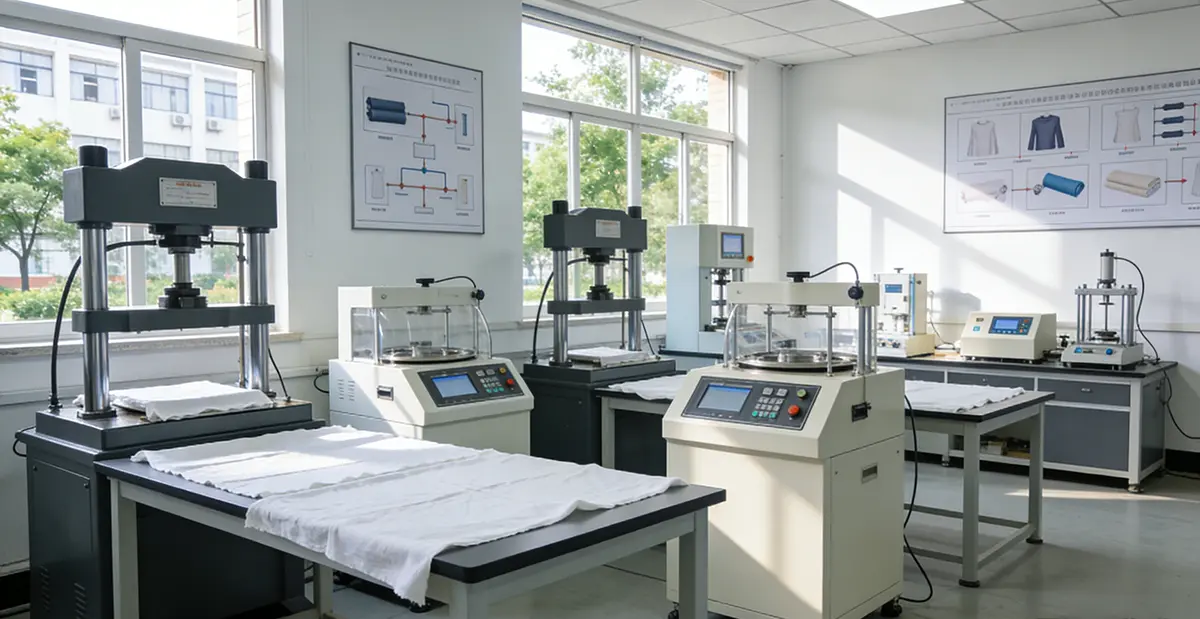
Introduction to Textile Science and Engineering Major
Textile Science and Engineering is a comprehensive engineering discipline that studies the structure, properties, processing techniques, and applications of fibers, yarns, fabrics, and their finished products. Its core mission involves designing fibers at the molecular level and imparting specific functionalities to textiles through mechanical, chemical, or physical means to meet diverse industry demands.
From an international perspective, it represents a cross-disciplinary field deeply integrating materials science, chemistry, mechanical engineering, and cutting-edge design. The program typically covers core areas such as textile engineering, textile materials and product design, textile chemistry, and dyeing and finishing engineering. It aims to cultivate innovative engineers and scientists capable of solving complex problems spanning fiber R&D to smart manufacturing, sustainability to wearable technology.
Key Courses at International Institutions
Curricula at top international textile schools emphasize theory-practice integration and interdisciplinary convergence.
Core Scientific Foundations: Engineering Mathematics, Materials Science, Polymer Chemistry and Physics, Engineering Mechanics, Textile Fiber Science.
Specialized Engineering & Technology:
- Manufacturing Technologies: Spinning Technology, Weaving Principles, Knitting Technology, Nonwoven Technology, Textile Chemistry & Dyeing/Finishing.
Product Design and Development: Textile Design, Fabric Structure and Analysis, Textile Composites, Technical Textile Development.
Analysis and Testing: Textile Testing and Quality Control, Application of Modern Analytical Instruments (e.g., SEM, FTIR).
Digitalization and Intelligence: Textile CAD/CAM, Introduction to Artificial Intelligence, Smart Textiles and Electronic Textiles.
Distinctive Frontier Modules:
Sustainability and Circular Economy: e.g., “Circular Economy Polymer Materials” course at Brok University, Sweden.
Future Textiles: e.g., Brok University's “Textile Future” module covering design, technology, and sustainability.
Technical Textiles: “Textile Engineering/Technical Textiles” specialization at Reutlingen University of Applied Sciences, Germany.
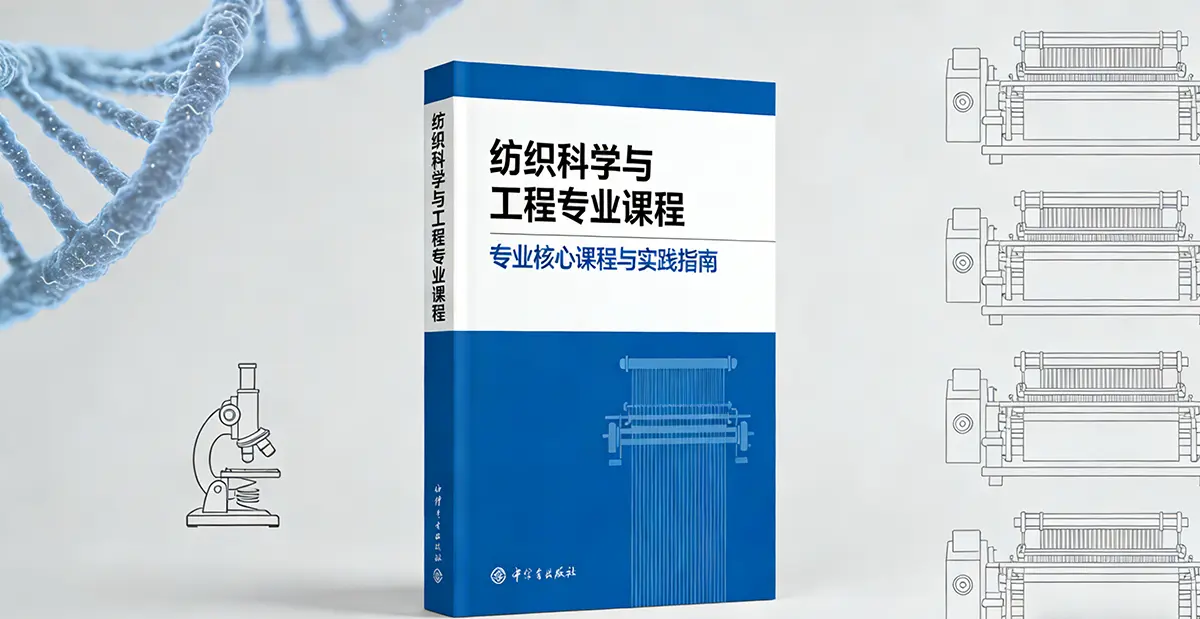
Advanced Study Pathways for Textile Science and Engineering Major
Master's and doctoral research focuses on highly specialized, cutting-edge fields aligned with future technologies:
Advanced Materials and Technologies:
Smart and Electronic Textiles: Integrating sensing, conductivity, and light-emitting functions into fabrics for health monitoring, human-machine interaction, and more.
Nanofibers and High-Performance Fibers: Investigating the production and applications of nanoscale fibers to develop ultra-high-strength, extreme-environment-resistant fibers.
Technical Textiles and Composites: Creating specialized functional engineering textiles for aerospace, automotive, construction, medical, and other sectors.
Sustainable and Green Chemistry:
Circular Economy and Recycling Technologies: Studying chemical/physical recycling methods for end-of-life textiles and developing bio-based and biodegradable fibers.
Clean Dyeing & Eco-Processes: Developing water-saving, energy-efficient dyeing technologies, waterless dyeing, and bio-enzymatic treatments.
Digitalization & Smart Manufacturing:
- Industry 4.0 & Textiles: Researching automation, informatization, and intelligentization of textile production processes, including digital twin technology.
- AI-Assisted Material Design: Utilizing artificial intelligence to predict fiber and fabric properties, accelerating new material R&D.
Career Paths and Positions in Textile Science and Engineering Major
Graduates are highly sought-after multidisciplinary talents across industries worldwide.
Technology and Internet Sector (Emerging Hotspot)
Roles: Comfort Materials R&D Specialist, Wearable Technology Engineer, Flexible Electronics Engineer.
Note: Meta (Facebook's parent company) is recruiting textile engineers to develop smart fabrics for robotics and AR/VR devices using 3D knitting and other technologies, integrating textile engineering into cutting-edge hardware R&D.
Advanced Manufacturing and R&D Sector
Positions: R&D Engineer, Materials Scientist, Composite Engineer, Process Optimization Specialist.
Description: Engage in new material development and application across aerospace (e.g., Airbus, Boeing), automotive (e.g., Tesla, BMW interiors), and medical fields (artificial blood vessels, surgical sutures).
Fashion and Sports Goods Industry
Positions: Technical Innovation Specialist, Fabric Development Manager, Sustainability Officer.
Description: Develop next-generation fabrics that balance functionality, comfort, and sustainability for brands like Nike, Adidas, and Lululemon.
Traditional and Emerging Textile Industry
Positions: Production Manager, Quality Control Manager, Supply Chain Specialist, Technical Sales.
Description: Oversee production, management, or technical support at leading global textile enterprises or chemical companies (e.g., DuPont, Toray, Lycra).
Testing and Certification Agencies
Positions: Textile Inspection Engineer, Certification Specialist, Laboratory Manager.
Description: Conduct quality testing, standard development, and certification at globally recognized third-party testing agencies (e.g., SGS, TÜV, Intertek).
Research and Education
Positions: Researcher, University Lecturer, Doctoral Candidate.
Description: Conduct fundamental or applied research at universities or research institutions (e.g., University of Leeds, North Carolina State University).
Examples of Representative Global Positions (Based on Latest Industry Trends):
1. Soft Goods Research Developer - Meta: Develop innovative materials for robotics and wearable devices using advanced technologies like 3D knitting and weaving.
2. Technical Textiles Innovation Engineer - University of Leeds/Industry Collaboration Project: Design and develop industrial textiles for protective gear and healthcare applications.
3. Senior Textile Scientist - R&D Institution/Enterprise: Lead new material R&D projects, manage processes from lab to pilot scale. Median annual salary: $82,500; senior specialists exceed $110,000.
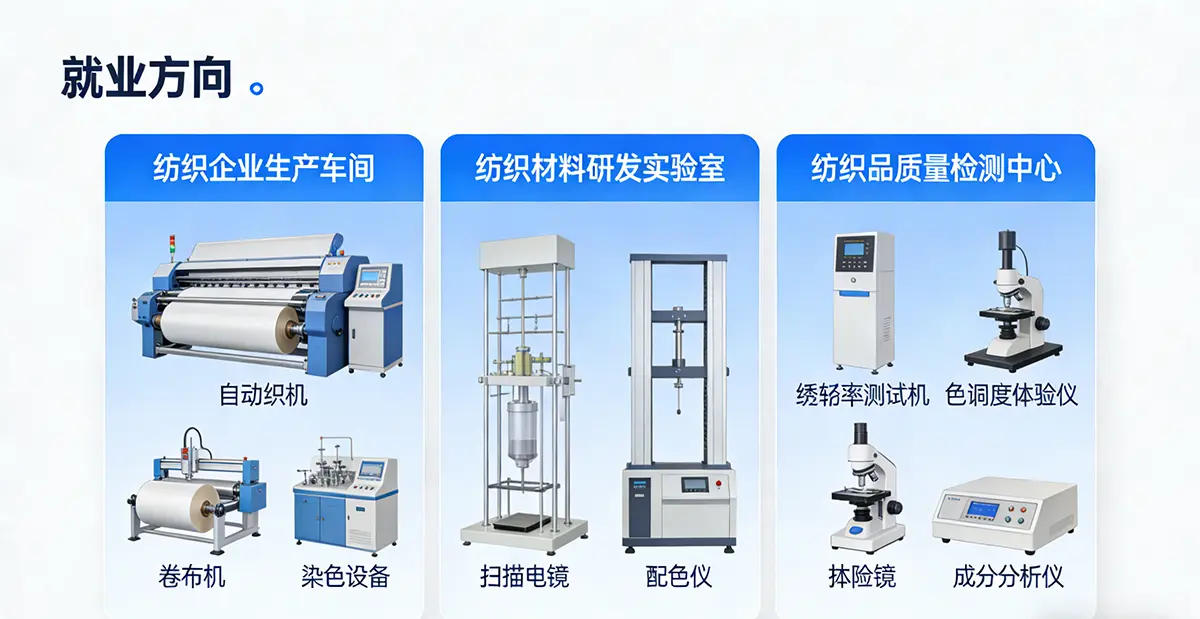
Employment Rates and Industry Trends in Textile Science and Engineering Major
Employment Rates and Salaries: The global job market shows strong demand for high-end textile professionals. In the U.S., for example, demand for textile scientists continues to grow due to advances in sustainable materials and smart textiles, with a median annual salary of approximately $82,500 (about RMB 600,000). Graduates from engineering programs at institutions like Queen Mary University of London achieve exceptionally high employment or further study rates within 15 months post-graduation, with textile engineering—a specialized track within these programs—reaping similar benefits.
Industry Development Trends:
1. Accelerated Cross-Disciplinary Integration: Textile science is deeply converging with electronic engineering, computer science, and biomedicine. The entry of tech giants like Meta signifies that textile engineers have become pivotal in building interactive experiences bridging the physical and digital worlds.
2. Sustainability as Core Driver: Global demand for eco-friendly, recyclable, and low-carbon textiles has created numerous R&D positions focused on bio-based materials, recycling technologies, and green chemistry.
3. Intelligent Textiles as Inevitable Path: From sensor-embedded smart garments to adaptive textiles responding to environmental changes, intelligent textiles represent the industry's fastest-growing sector.
4. Expanding technical textiles market: Growing demand for high-performance technical textiles in aerospace, healthcare, construction, and other sectors is driving a shortage of R&D talent in advanced materials.
Ideal Candidates for Textile Science and Engineering Major
If you possess the following qualities, you will gain a competitive edge in the global arena:
1. Strong foundation in mathematics, physics, and chemistry: Demonstrate a keen interest in materials science, chemistry, and physics—the cornerstones for understanding fiber structure and processing principles.
2. Strong hands-on and experimental skills: Enjoy operating laboratory instruments (e.g., SEM, tensile testers), performing material synthesis, property testing, and data analysis.
3. Systems engineering and innovative thinking: Approach material selection and structural design from the perspective of end applications (e.g., smart athletic wear, aerospace components).
4. Passion for sustainability and technology: Concerned about environmental issues and curious about cutting-edge technologies like new materials, smart wearables, and human-machine interaction.
5. Cross-cultural communication skills: An international industry requires collaboration with global teams. Strong English communication is essential, while proficiency in a second language like German or Japanese is a plus.
Core Competencies of Textile Science and Engineering Major
The core strength of this discipline lies in its vertical integration from “molecular” to “finished product” and horizontal cross-disciplinary capabilities:
Full-chain systems thinking: Comprehend the entire process from fiber polymerization, spinning and weaving, dyeing and finishing to final product design, understanding how each stage impacts final performance.
Material Design and Modification Capabilities: Design and select materials at the molecular level based on specific functional requirements (e.g., conductivity, flame retardancy, antimicrobial properties, high strength), then modify them through chemical or physical methods.
Interdisciplinary Technology Integration: Combine advanced technologies from electronics, information science, biology, and other fields with traditional textile substrates to create innovative smart products and solutions (e.g., electronic textiles).
Sustainability Assessment and Design Capabilities: Possess life cycle assessment (LCA) awareness, considering material recyclability, environmental friendliness, and low-carbon properties from the design inception.
Advanced Characterization and Analysis Capabilities: Proficiently utilize high-end instruments like FTIR, SEM, and HPLC to analyze materials, employ tools such as MATLAB/Python for data analysis, and apply scientific methods to solve practical problems.
Major Institutions Globally
Textile science and engineering boasts globally renowned institutions, many distinguished in specialized fields. (Selected Schools - Listed in no particular order)
Mainland China
Top representatives: Donghua University (world-leading in textiles with multiple national research platforms), Tianjin University of Technology (national “Double First-Class” discipline in textile science and engineering), Wuhan Textile University, Soochow University (offering an international curriculum experimental class in textile engineering).
United States
Leading Institutions: North Carolina State University, Raleigh (offers comprehensive textile engineering programs from undergraduate to master's), University of California, Davis, Philadelphia Textile Institute (now part of Thomas Jefferson University), Georgia Institute of Technology.
United Kingdom
Leading Institutions: University of Leeds (features a long-established textile department with deep research in industrial textiles), University of Manchester (its School of Materials excels in textile research), Heriot-Watt University, Nottingham Trent University.
Continental Europe
Leading institutions: École Nationale Supérieure de Textiles de l'Industrie (ENSIT) in France (pioneering research in electronic textiles and smart textiles), RWTH Aachen University in Germany (renowned for textile machinery and technical textiles), Brodskaya University in Sweden (specializing in textile technology, circular economy, and sustainability), and Reutlingen University of Applied Sciences in Germany (offering a Master's program in “Textile Supply Chain Research”).
Other Asian Regions
Leading Institutions: Shinshu University, Japan (outstanding fiber research), Tokyo Institute of Technology, Japan, Seoul National University, South Korea, and Bangladesh University of Textiles, Bangladesh (whose textile engineering program is closely integrated with the country's vast garment manufacturing industry).
Recommended Learning Path for Textile Science and Engineering Major
1. Build a Solid Foundation (Undergraduate Stage): Focus on core subjects like polymer chemistry, materials science, and textile engineering fundamentals. Master essential courses such as fiber science, spinning and weaving, and dyeing and finishing processes. Simultaneously, gain proficiency in chemical analysis methods and data processing tools to lay the groundwork for advanced studies.
2. Build Specialized Expertise (Early Master's Stage): Delve into specialized fields like technical textiles, smart textiles, or textile chemistry. Actively participate in laboratory research projects to develop proficiency with specialized equipment such as FTIR, SEM, and universal testing machines. Identify your area of interest early (sustainable, smart, or high-performance materials).
3. Focus and Deepen (Mid-to-Late Master's): Select a research direction aligned with your interests and actively seek industry internships. Target companies may include traditional textile giants (e.g., DuPont, Toray), cross-industry tech firms (e.g., Meta, Apple), or top testing agencies (e.g., SGS). High-quality internship experience is key to securing positions at leading international companies.
4. Future Planning and Internationalization (Throughout):
Language and Perspective: Obtain IELTS or TOEFL certification. Learning the local language is beneficial if pursuing further studies in Germany or France. Actively participate in international summer schools, such as Donghua University's “Textiles” Graduate International Summer School, to expand academic networks.
Skill Map: Align with industry demands to strategically develop skills. For example, pursue LCA assessment tools for sustainability-focused roles; build circuit fundamentals, sensor technology, and Python proficiency for smart textiles.
Professional Certification: Pursue credentials from the American Association of Textile Chemists and Colorists (AATCC) or the Society of Dyers and Colourists (SDC) to enhance professional qualifications.
- The Previous Passage:Electronic and Information Engineering(Electron. Inf. Eng.)_电子信息工程学
- The Next Passage:Advanced Computer Science(Adv. Comput. Sci.)_高级计算机
Human Geography Major_Geography(Geog.)_人文地理
The Human Geography Major explores the complex relationships between human activities and space, cul···

Atmospheric Sciences(Atmos. Sci.)_大气科学
Atmospheric science is the study of phenomena and evolutionary patterns within Earth's atmospher···

Earth Sciences(Earth Sci.)_地球科学
The Earth Science major focuses on studying the Earth system and its interactions, providing a scien···
Ocean Sciences(Ocean Sci.)_海洋科学
PbootCMS是全新内核且永久开源免费的PHP企业网站开发建设管理系统,是一套高效、简洁、 强悍的可免费商用的···

