

Tourism and Leisure Management(Tour & Leisure Mgmt)_旅游休闲管理
Time:2026-04-01 Visits:0
Tourism and Leisure Management
Tourism and Leisure Management is a comprehensive applied discipline focused on researching how to effectively plan, develop, operate, and manage tourism and leisure resources while meeting people's recreational needs. It transcends traditional concepts like “tour guiding” or “hotel management,” evolving into an interdisciplinary field encompassing economics, management, geography, sociology, and even psychology. This program is dedicated to cultivating managers and planners with international perspectives and innovative mindsets for the tourism industry—one of the world's largest sunrise industries.
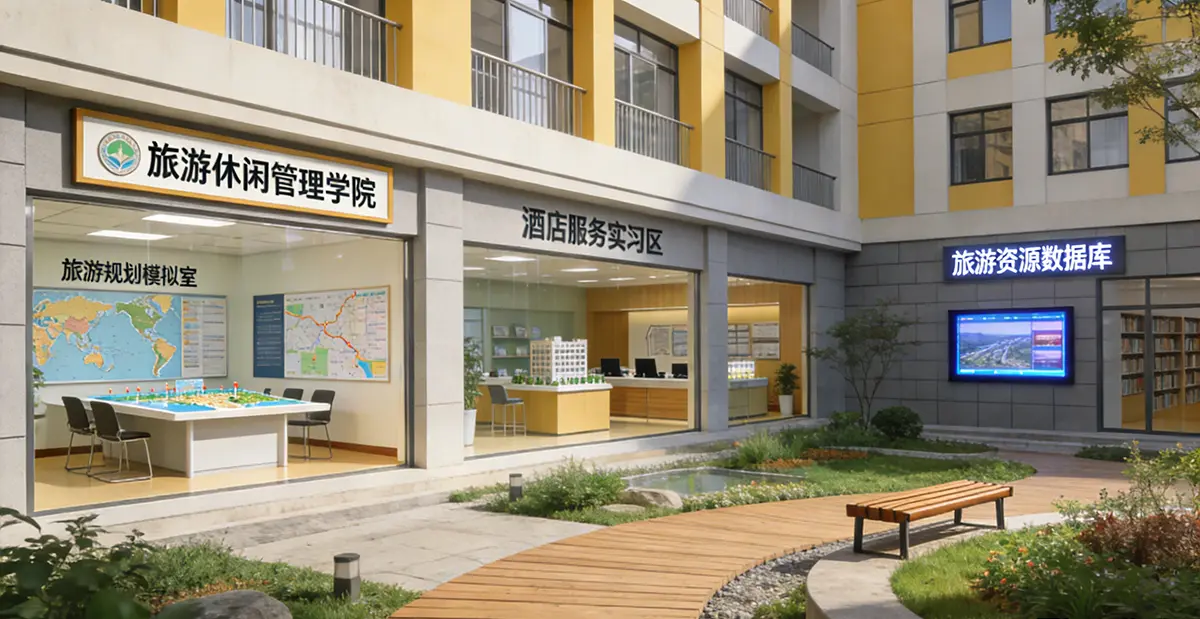
Tourism and Leisure Management Program Overview: Adding Value to Joy and Experience
At its core, Tourism and Leisure Management transforms natural resources, cultural landscapes, and creative activities into tourism products and leisure experiences that fulfill modern spiritual and cultural needs. It addresses fundamental questions: “Why do people travel?”, “How to create unforgettable experiences?”, and “How to achieve sustainable tourism?” This discipline seamlessly integrates business acumen, humanistic care, and creativity.
Its core missions include:
- Planning and Development: Strategizing and designing tourist destinations, resorts, and leisure projects based on market analysis and resource assessment.
- Operations and Management: Efficiently managing daily operations of tourism enterprises (e.g., scenic areas, hotels, travel agencies) to enhance service quality and customer satisfaction.
- Marketing and Promotion: Utilizing digital tools and creative content to position destinations and products in target markets while shaping brand identity.
- Experience and Design: Designing and optimizing the entire travel journey—including dining, lodging, transportation, sightseeing, shopping, and entertainment—from the visitor's perspective to create unique emotional value and lasting memories.
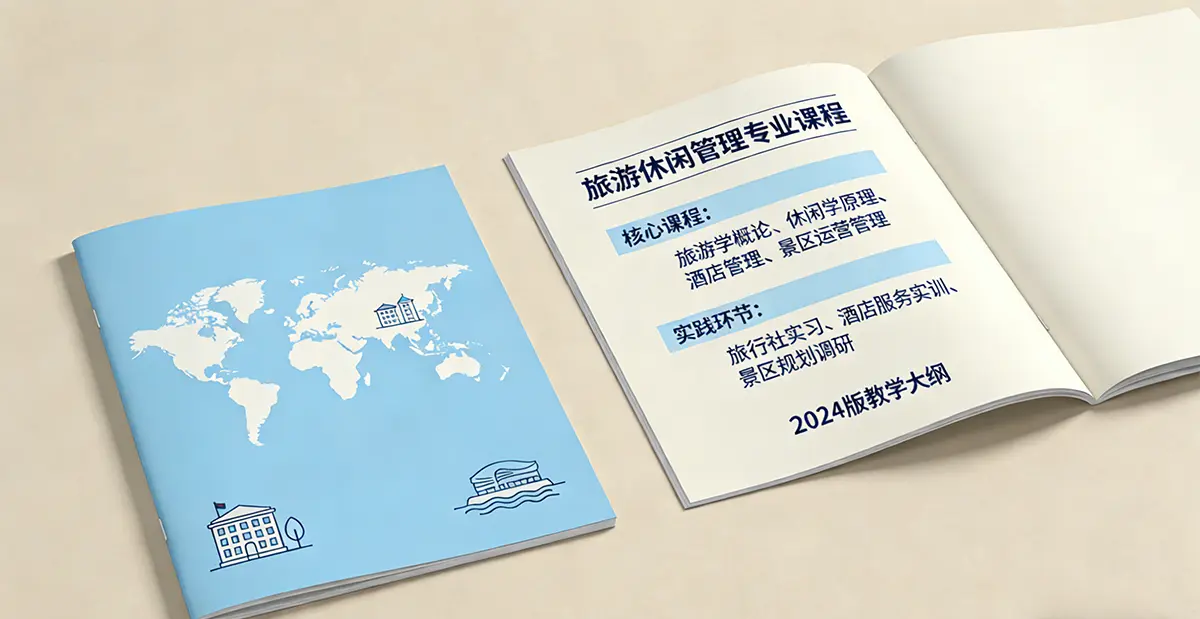
Core Curriculum at International Institutions
The tourism and leisure management curriculum emphasizes both theory and practice, aiming to cultivate students' comprehensive capabilities from macro-level industry understanding to micro-level operational management.
| Program Stage | Core Course Examples | Learning Objectives |
| Foundational Studies | Principles of Management, Principles of Economics, Introduction to Tourism, Introduction to Leisure Studies, Consumer Behavior, Fundamentals of Accounting | Establish a holistic understanding of the business environment and tourism industry, laying a solid theoretical foundation. |
| Professional Core | Destination Management, Hospitality Operations, Tourism Planning & Development, Event Planning & Management, Resort Operations Management | Deeply master core business processes, management methodologies, and planning principles within tourism and leisure. |
| Specialized & Cutting-Edge | Cultural Tourism Integration & IP Operations, Smart Tourism & Big Data Analytics, Customized Travel Product Design, Wellness Tourism, Ecotourism | Explore industry frontiers like digital transformation, cultural-tourism integration, and health/aging tourism to cultivate multidisciplinary competencies. |
| Digital Tools | Tourism spatial analysis and GIS applications, tourism e-commerce, Python data analysis fundamentals, digital marketing and new media operations | Master digital tools and analytical methods essential for modern tourism management, aligning with the “culture-tourism + technology” trend. |
| Practice and Integration | Professional Internships, Business Simulation Games, Tourism Project Planning Competitions, Thesis/Design Projects, Industry Research | Transform theoretical knowledge into real-world problem-solving capabilities through immersive practice, accumulating industry experience. |
Advanced Study Pathways in Tourism and Leisure Management
At the master's or doctoral level, research in Tourism and Leisure Management aligns closely with industry development and offers diverse specializations:
- Tourism Planning and Development: Focuses on spatial planning, product design, community engagement, and sustainability research for tourism destinations.
- Destination Marketing and Management: Explores tourism branding, market segmentation, digital marketing strategies, visitor satisfaction, and loyalty.
- Event and Exhibition Management: Focuses on planning, organizing, operating, and impact assessment of large-scale events, conferences, exhibitions, and festivals.
- Leisure and Recreation Management: Studies planning and operations of urban public leisure spaces, theme parks, wellness centers, etc., emphasizing health and leisure integration.
- Hotel and Lodging Management: In-depth study of strategic management, revenue management, and service innovation in luxury hotels, boutique accommodations, and resorts.
- Cultural Heritage and Tourism: Focuses on the preservation, revitalization, interpretation, and application of cultural heritage in tourism development.
- Smart Tourism and Big Data: Applies data analytics and artificial intelligence technologies to visitor behavior prediction, tourism flow management, and personalized service recommendations.
International Career Paths and Positions
Graduates of Tourism and Leisure Management are versatile professionals in the job market, with career opportunities spanning traditional cultural tourism, emerging technologies, public services, and more. As the industry undergoes digital transformation, numerous high-paying, high-potential emerging positions are emerging.
| Industry Sector | Common Positions | Brief Job Responsibilities |
| Cultural Tourism Complexes & Scenic Areas | Operations Manager, Product Planner, Project Development Specialist, Marketing Specialist, Visitor Experience Designer | At companies like Disney, Merlin Entertainment, OCT, and Nianhua Bay, responsible for daily operations, event planning, and project development. |
| Online Travel Platforms | Travel Product Manager, Data Analyst, User Operations Specialist, Smart Cultural Tourism Solutions Architect | At internet companies like Ctrip, Fliggy, and Meituan, utilize data analysis to optimize products and enhance user experience. Top-tier product managers can earn annual salaries ranging from 250,000 to 700,000 RMB. |
| Hospitality & Accommodation | Management Trainee, Front Desk/Housekeeping Supervisor, Revenue Management Specialist, Digital Marketing Manager | Engaged in operations management and marketing at international hotel chains (e.g., Marriott, Hilton) or boutique accommodations. |
| Planning & Consulting Firms | Event Planner, Tourism Planner, Destination Consultant, Educational Travel Curriculum Developer | Provide professional event planning, tourism strategy, and consulting services to governments or enterprises. |
| Government & Public Services | Cultural Tourism Bureau Staff, Scenic Area Manager, Policy Researcher, Intangible Cultural Heritage Protection Specialist | Engage in industry management, policy research, and public services within cultural tourism departments, planning bureaus, or public institutions at all government levels. |
| Emerging Convergence Sectors | Immersive Experience Planner, Cultural Tourism IP Operations Manager, Travel Broadcaster, Custom Travel Designer, Wellness Tourism Specialist | Engage in content creation, product development, and project operations within emerging tourism-integrated fields like educational travel, wellness tourism, cultural creativity, and MCN. VR/AR Development Engineers can earn a median monthly salary of 33,000 yuan. |
| Cruise & Aviation | Onboard Activities Coordinator, Shore Excursion Product Manager, Customer Relations Specialist, Route Revenue Analyst | Responsible for product design, customer service, and revenue management at international cruise lines or airlines. |
International Employment Rates and Development Trends
Employment Rate: With the robust recovery and profound transformation of the global tourism industry, employment rates for Tourism and Leisure Management graduates continue to rise. A 2025 survey indicates that 52.87% of graduates in this field have secured employment agreements, while vocational colleges report employment rates exceeding 90% for related majors—a highly favorable trend. Notably, talent demand and job structures are undergoing significant transformation.
Industry Trends:
- Deep Integration of “Culture & Tourism + Technology”: AI, VR/AR, and big data are reshaping tourism experiences and operational models. Multidisciplinary professionals skilled in technology, operations, and internet thinking are in high demand.
- Shift in Consumer Demand Toward Immersive Experiences: Travelers no longer seek mere sightseeing and photo opportunities but pursue immersive, personalized, and culturally rich experiences. This has spawned numerous creative roles such as immersive experience designers and cultural tourism IP operations managers.
- Niche markets as growth engines: Gen Z prioritizes social interaction and individuality, the new middle class values quality and customization, while seniors favor wellness and slow travel. Talent capable of precisely targeting diverse customer needs and designing tailored products will be highly sought after.
- Emerging industries and roles proliferate: New professions like educational travel guides, tourism digital twin engineers, homestay managers, and travel photography stylists continuously emerge, offering graduates broader and more diverse career paths.
- Sustainability becomes a shared imperative: Concepts like eco-tourism, community engagement, and carbon neutrality gain increasing importance. Professionals with ESG vision and resource management skills will become scarce assets in the industry.
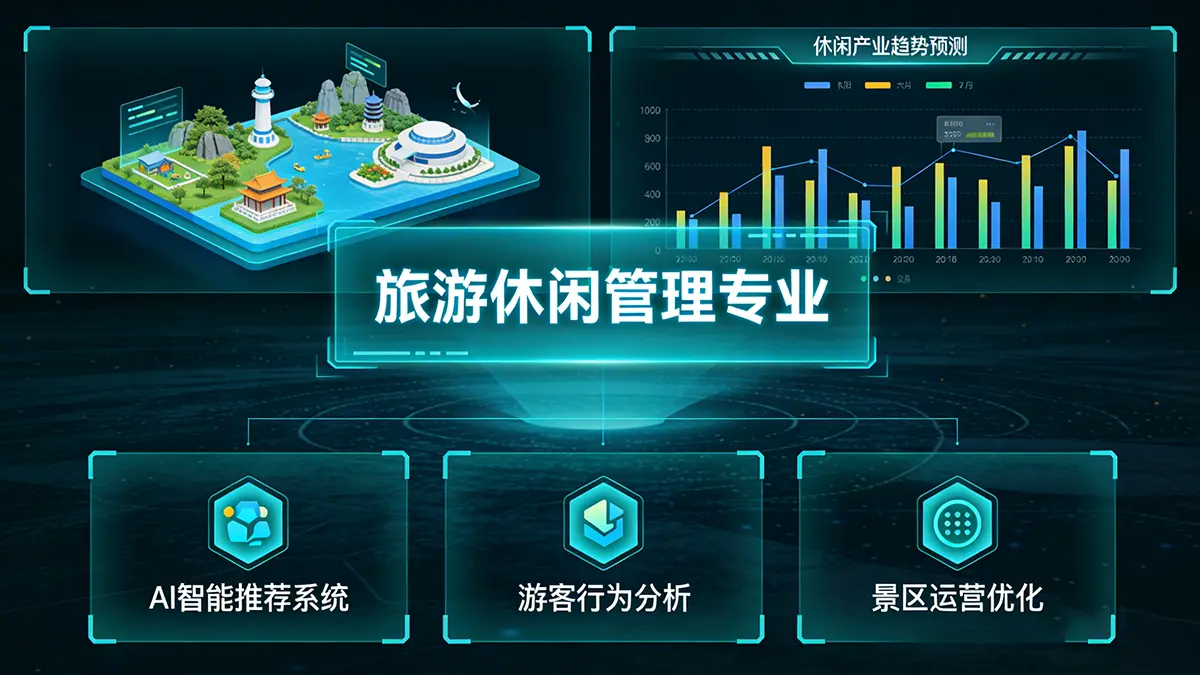
Ideal Candidates and Core Competencies for Tourism and Leisure Management
If you possess these traits, you may excel in tourism and leisure management:
- An “experience-driven explorer” with boundless curiosity: You love discovering diverse cultures and landscapes, enjoy sharing beautiful experiences, and consistently find life's small joys.
- Creative thinkers who blend intuition with logic: You possess boundless creativity to design captivating events, coupled with practical execution skills to transform ideas into viable business solutions.
- The people-oriented “Communicator”: You thrive on interaction, excel at listening and discerning others' needs, and coordinate resources to foster collaboration.
- The adaptable “Lifelong Learner”: The tourism industry evolves rapidly. You embrace new trends with an open mind, continuously mastering fresh skills (like data analysis and new media operations) to navigate digital transformation and cross-industry integration.
- A versatile “multi-tasker” with strong resilience: The tourism industry peaks during holidays, demanding physical stamina and mental fortitude to deliver enthusiastic, attentive service amid fast-paced, high-pressure environments.
Core Competency: Your core value lies in your integrated ability to synthesize resources and create unique experiences. This encompasses not only solid management knowledge and industry insight, but also the capacity to blend culture, technology, business, and humanistic care—driving continuous innovation in a dynamic market to fulfill people's aspirations for a better life.
Leading Institutions Worldwide
In the field of Hospitality and Leisure Management, the world's top institutions typically boast not only strong academic credentials but also exceptionally close ties to the industry.(Selected Schools - Listed in no particular order)
| Country/Region | Representative Institutions | Discipline Ranking Highlights |
| Switzerland | Ecole Hôtelière de Lausanne, Glion Institute of Higher Education, Les Roches International School of Hotel Management | Pinnacle institutions for global hospitality management; Les Roches ranked #2 globally in the 2025 QS Subject Rankings. |
| United States | University of Nevada, Las Vegas; Cornell University; University of Houston | Leveraging world-class tourism and gaming industries, offering strong practical teaching and industry networks. |
| United Kingdom | University of Surrey; Oxford Brookes University; Bournemouth University | University of Surrey's Tourism and Hospitality Management consistently ranks among the world's best. |
| China | Macau University of Tourism, Hong Kong Polytechnic University, Sun Yat-sen University, Beijing Foreign Studies University | Macau University of Tourism ranked 13th globally and 3rd in Asia in the 2025 QS Subject Rankings. |
| Australia | University of Queensland, Griffith University, Blue Mountains International Hotel Management School | Leveraging abundant tourism resources, these institutions excel in ecotourism and hospitality management. |
Recommended Study Path for Tourism and Leisure Management
1. Undergraduate Stage: Build Foundations, Broaden Horizons, Engage in Active Practice
- Core: Diligently study foundational courses like Introduction to Tourism, Management, Marketing, and Consumer Behavior to develop a systematic understanding of the industry.
- Exploration: Through electives and industry lectures, gain exposure to cutting-edge fields such as cultural-tourism integration, smart tourism, and wellness tourism to discover genuine interests.
- Practice: This is the cornerstone of tourism management studies! Pursue internships at online travel platforms, renowned scenic spots, or international hotel chains. Actively participate in club projects like tourism product design competitions and event planning to hone communication, strategic planning, and problem-solving skills.
2. Master's Stage: Focus on Specialization, Enhance Skills, Build Networks
- Professional Master's: If you aim to deepen expertise in a specific field (e.g., event planning, smart tourism, destination marketing), pursue a specialized master's degree in that area. Delve into theoretical frameworks and methodologies while gaining practical experience through real-world consulting projects or corporate research initiatives.
- MBA or Dual Degree Programs: With several years of work experience, pursue an MBA or a 1+1 dual master's degree program in collaboration with prestigious international universities to advance toward comprehensive management roles or global career trajectories. This expands your international perspective and industry network.
3. Career Development and Lifelong Learning Phase
- Positioning: Begin in operational, planning, or marketing roles to hone your skills through practice. You may become a specialist in a niche area (e.g., educational tour curriculum design, tourism data analytics) or advance toward general management, progressing from project lead to corporate executive.
- Future: Tourism is a lifelong vocation. Regardless of your role, you must continuously monitor industry trends, learn new concepts and technologies (such as AI applications and new media operations), and maintain a passion for the world and care for people. Your role extends beyond management—you are a creator of joy and a disseminator of culture.
- The Previous Passage:History(Hist)_历史学
- The Next Passage:Business Administration(Bus Admin)_企业管理
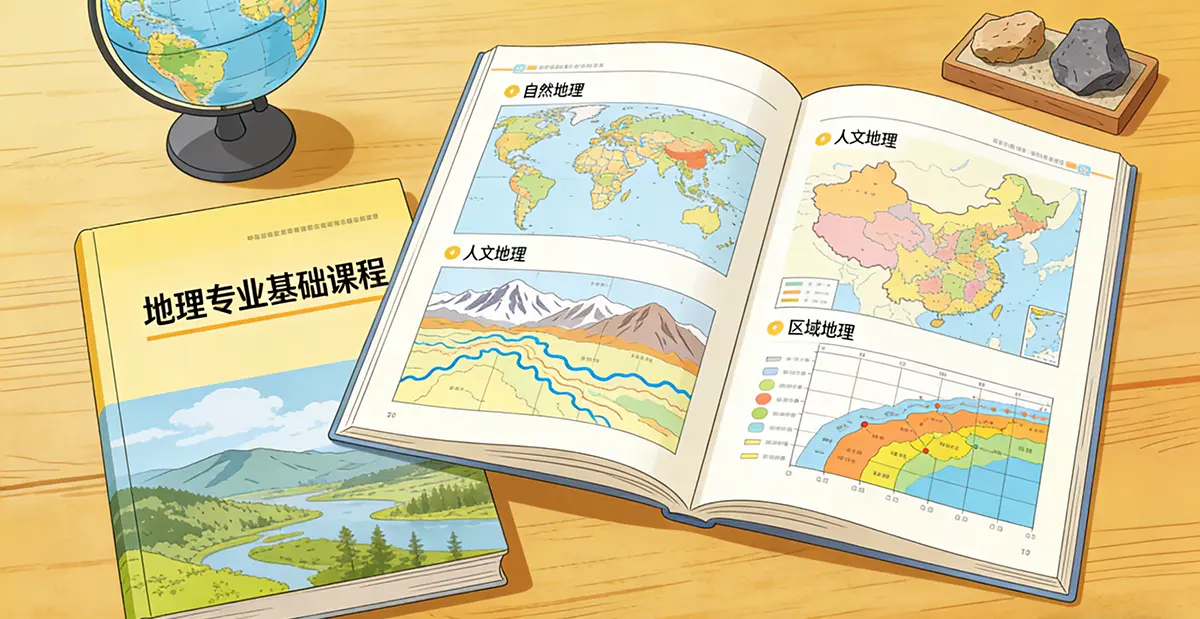
Human Geography Major_Geography(Geog.)_人文地理
The Human Geography Major explores the complex relationships between human activities and space, cul···

Atmospheric Sciences(Atmos. Sci.)_大气科学
Atmospheric science is the study of phenomena and evolutionary patterns within Earth's atmospher···

Earth Sciences(Earth Sci.)_地球科学
The Earth Science major focuses on studying the Earth system and its interactions, providing a scien···
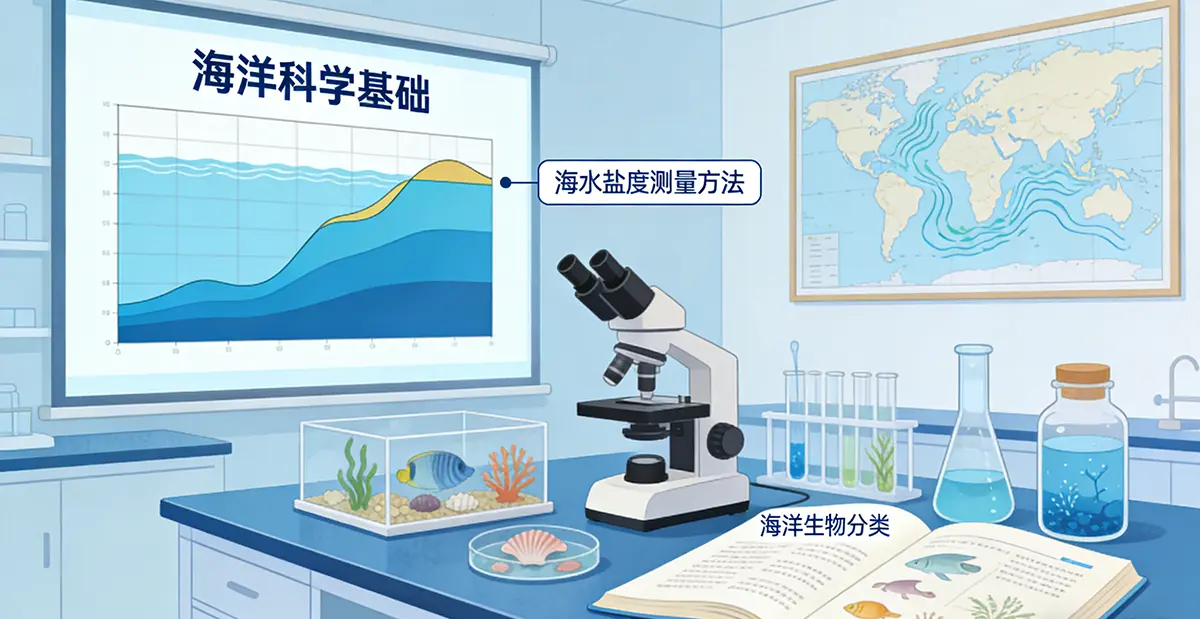
Ocean Sciences(Ocean Sci.)_海洋科学
PbootCMS是全新内核且永久开源免费的PHP企业网站开发建设管理系统,是一套高效、简洁、 强悍的可免费商用的···

